Transcription
QAV AU 817 CLUB
Cameron: [00:00:00] Welcome to QAV Australia, 6th of May, 2025, 1 42 the pm tk Big election. What did you think of the election results? Hold on. No, before we get to that, I don’t, I, hold on. I’ve got a pre, pre story I’ve gotta do. Before we do that, I nearly forgot. Um, this is a, this is, um, tragic story actually from QAV member Ben who reached out to me during the week I just wanted to give Ben’s, um, story, a bit of a plug here.
He says, my nine month old son was diagnosed with an extremely rare genetic disorder about five months ago. Unfortunately, it is a really horrible disease that’s progressive with no cure and ultimately will be fatal for him at a young age. I’ve put our website below if you’d like to read more about his condition.
So, um. had a bit the, the website is CURE as one [00:01:00] cureasone.org.nz. They’re trying to raise funds to look into research for this condition. It’s called the ECHS1 deficiency. It is a very rare disease. Um, I think there’s about a hundred people a year that get diagnosed with it, and 10 of those are in this one town in New Zealand where Ben and his family live.
So it’s, uh, really tragic and bizarre. It says on the website, um, this condition is caused by mutations in the ECHS1gene, which leads to problems in energy production within cells, in the mitochondria. with ECHS1 deficiency often experience severe neurological issues, developmental delays and muscle problems when they are [00:02:00] babies.
That could be siege dystonia, which are painful muscle contractions, severe developmental delay, hearing loss, damage to the optic nerve in the eyes, and failure to thrive because their bodies starve themselves. Ben didn’t ask me to promote it, he just asked me to pause his account while they go and deal with this, and I said, Hey, would you like me to give it a plug on the show?
He said, that’d be lovely. So, um, you know, we’ve got a number of well-heeled people who might like to contribute and help out, so I just sort, I’d throw that out there. It’s a, I mean, I, you hear stories like this and always makes me doubly grateful that, uh, all of my children are healthy. Um, you know, okay, so they’re tiktoks, but, uh, outside of that,
TK: Relatively healthy, relatively healthy.
Cameron: all seriousness, like it’s,
TK: Yeah,
Cameron: I mean, it’s, it’s gutting to hear these stories
TK: is.
Cameron: with babies [00:03:00] with these sorts of things. So, um, if you can help out cure as one.org.nz,
TK: Yeah, thanks Ben. Thanks for sharing your story. Um, I, I echo Cam’s sentiments. I don’t know how many times gone to bed. Grateful for the fact that Alex is healthy. Even, you know, as a young adult you still, thoughts still go to what could happen, um, which is never pleasant. Um, so yeah, really sorry to hear that Ben.
And all the best mate. Good luck.
Cameron: Well, somebody who, who doesn’t, isn’t gonna get a cure is Peter Dutton. Um, Peter Dutton is, uh, I don’t know, I haven’t seen him, haven’t seen him around. His billboards are still up all over my neighborhood, but, uh, I seen the last of him. So what did you think of the election result, Tony?
TK: Oh, I was happy to cash in on my bet can seven to one, that labor would form a majority government. So, uh, no [00:04:00] indication of how I thought about the policy, I just thought that the odds were wrong in that market. I think it’s, you know, it’s, I think Roddy said that best. He said it was heartwarming. regardless of who you support in politics, I, I, you know, the, the fact that Australians on Mass has rejected Sky News and the Murdoch Press, Herald Sun, the Sydney Telegraph, the Courier Mail, the Stoke Press and wa I think is heartening. a victory for common sense in my opinion. Um, and, uh, yeah, uh,
Cameron: me after the, the no vote, um, on the, the, the voice thing. And you know, we seem to be moving further to the right and you know, I’ve been saying for, I. Decades. I don’t want us to end up like the United States and
TK: Mm-hmm.
Cameron: that way. It was, uh, really heartening to see Australians go, Hmm, maybe not.
TK: [00:05:00] Yeah, and
Cameron: that’s not where we wanna be.
TK: Jenny and I went to an election dinner on Wednesday night as a guest of, um, Alex Hay, our stockbroker. does it every federal election. And, um, it’s a great time to catch up with people in the, in the funds and management industry in Melbourne. and Alex has some friends who are pollsters and, uh, someone who operates a betting agency.
He’s a CEO of a betting agency. So they all get up and take you through the polls and what’s gonna happen and their predictions and, and all the rest. And it was really clear from both, from sort of one particular slide that stood out from the pollsters that. When the, uh, when to the, the voice referendum, Peter Dutton had a, um, a lead over albanese after the voice referendum went down, that lead just split.
It was, it was greatly exaggerated in favor of Dutton. After the election of Trump, it started to narrow. After [00:06:00] liberation day it crossed, and with a week to go on the polls, it was going straight up one way and straight down the other way. so it’s, you know, I think only, not only, you know, did those sort of three key things happen during the election campaign, also I think it’s been my sort of perception that Australians can sniff a trend. And in the last week of an election campaign, you were wavering on where to vote, you’re probably gonna vote with the person you think will win just to be part of the. The I guess, or to be on the winning side or whatever. I’m not sure what the psychology is, but I’ve seen it happen before, it really happened in a big way in this election. and, and to look at the betting odds, they went to something like the start of the campaign, um, labor forming minority government, uh, majority government was, well, $7, to liberals winning $9, um, as of last Wednesday night at this election, [00:07:00] dinner and labor winning like a dollar or something.
So it was a real clear switch around after liberation day.
Cameron: Yeah, I read in the Fin just this morning, the liberals lost the female vote across all age groups in 20 22, 18 to 30 fours, 35 to 50 fours, and over 50 fives, including against female candidates and well healed or electorates. They also lost people aged under 55 metropolitan residents in the professional class.
And they were saying that it didn’t improve this time. They didn’t make any of, they had like a, a, um, what do you call it, a, a.
TK: Postmortem.
Cameron: Post-mortem. Thank you. On last time they had a whole bunch of recommendations of what they needed to do to fix it, according to this article in the Fin, all the strategists saying they didn’t, they didn’t do any of it,
TK: correct.
Cameron: probably, it’s probably gonna look the same when the dust settles on.
This one says the party supporter [00:08:00] base is now dominated by men aged over 55, and I don’t turn 55 until October, I’ve got a few months left where I don’t have to vote liberal. So I’m happy about that.
TK: Well, you might only have a few years left where you can vote liberal. I mean, that’s the interesting thing. Uh, when does the, the strategy of going to the right and targeting, um, the edge of our cities and, and the sort of people who live there has only got a certain shelf life before it bumps up against the National Party who held all their seats in the rural areas.
So, you know, as part of the 2022 analysis and as part of this analysis, the answer’s gotta be, I. Get more women in parliament, get more women standing for Parliament and start to address issues like climate change and, um, other issues that, that female that are important to educated females and, and take on the teals. I know they’ll say they did that in a couple of cases, [00:09:00] but you’ve gotta have policies to back that up. The whole flip on, you know, we’re gonna, we’re gonna force people back to work and then Oh no, we’re not. When we find out that women like it, um, just was a, was a bullet in the foot. Um, and, and just showed what you were saying that the, the election strategy was, was really the election strategy for didn’t Dixon Red Large didn’t work in Dixon. You know, Peter Dutton lost his seat. Um, and it didn’t work for Australia.
Cameron: Okay.
TK: uh, it was a, it was actually a really, I thought, a really generous concession speech by Peter Dutton. it was telling him that got up and said he, you know, he’s, he’s honored to be party leader, et cetera, and to run for Prime Minister, but the whole of his career was being a defense minister. I thought, yep, that’s exactly where your mind is at. It’s immigration, it’s borders, it’s policing, they’re important issues. But the pollster’s said on Wednesday night, the top five issues in this election were all cost of living, [00:10:00] rates, cost of energy, cost of electricity, et cetera, et cetera, fuel prices, whatever. So, um, you know, to, to not have policies to directly address that and keep hammering. It was a, a misstep, a fatal misstep.
Cameron: Yeah, the top policy for me was what are we gonna do about AI in the next five to 10 years when it gobbles everything up? no one was talking about that. No one, not
TK: Well,
Cameron: not
TK: you, you talk enough about it.
Cameron: Maybe I should run.
TK: Yeah. Um, maybe you should, although you’re a 55-year-old white male, so I
Cameron: I’m
TK: have, you have to run for the liberals. Yeah. You have to move out to the country. but I, I, I don’t wanna let the Labor party off the hook here. Um, that they may have a majority in the Senate. Um, they certainly have an overwhelming majority in Parliament, which probably gives them two terms, not just one. Um, that remains to be seen. But I really hope [00:11:00] this is security in the electoral process for them to give them the spying to be able to, uh, really go after tax reform properly and productivity reform properly. There are areas which are always gonna hurt. One constituency in the electorate, but if you’ve got a fat margin, this is the only time you can do it.
So I hope they tackle those two issues. I also, you know, the, the one issue that’s on the books, which, um, I hope they change is to tax unrealized gains in superannuation funds. That’s a mistake. Um, I’m hoping that they’ll go ahead with the extra tax on large super funds. I’m not, not hoping they do that. I, I hope they do that and that only, and that they drop the part which says that you have to pay tax on unrealized gains because nowhere else, in the tax system, nowhere else in the world that, that I can think of does that. And it’s a mistake. It’s a mistake for someone who has, illiquid assets in the super fund.
Like a, you know, they’ve grown a business, their own business in the fund [00:12:00] or their farm, or they put some, um, property in there having to. with a tax bill for and not have dividends to pay for it or interest income to pay for it or any other sort of income to pay for it is a mistake. So hopefully they’ll see a sense on that one too.
Cameron: But they, but they need the revenue now, not when they sell the asset. Government needs the revenue now. To pay for stuff.
TK: Yeah, but, but you only in like, well, we’ll talk shares in the share market, you only pay capital gains tax when you sell the shares.
Cameron: Mm-hmm.
TK: that’s, that’s, that’s the same as it currently works in superannuation. What, what, what the, what the a LP is proposed to do for superannuations if you’re over a certain balance, and that’s, I think that may have moved a bit, it was 3 million.
Some people are talking about 2 million. You have to pay extra tax. if, if, um, even if you hold shares and you haven’t traded in 12 months, if those shares are now worth more this year than last year, taxed on the unrealized gains. So you’ll have to sell[00:13:00]
Cameron: Hmm.
TK: to pay the tax. So it’s just, it’s not a workable scenario.
It’ll just end up in, people own the tax office, large amounts of money, and if a tax office to go after them, it’ll bankrupt people. They’ll have to sell something they didn’t wanna sell, um, which could be a fire
Cameron: that’s, well, okay, but that’s not bankrupting people. You just sell the shares and pay the tax,
TK: No, it may not bankrupt people, but some people it will, they may have to sell, it may have gone up this year, but it may still be a negative, holding for them. For example, you know, our shares can go backwards water and in the last 12 months have turned up and, and be an unrealized gain. Actually, no, they can’t.
The cost base is no, they can’t be an unrealized gain. Yeah, no, true.
Cameron: Look, I, I’m no expert on it. Um, I did know you were gonna talk about it though. I had in my notes I knew you were gonna arc up against about that ’cause you did last time. Um, [00:14:00] but, uh, anyway, I, the, you know, I, I remember when I. Obama won in the US and everyone was talking about how the demographics in the US had changed forever.
black and Latino voters, young people, voters, the the GOP was done for it was gonna have to completely reinvent itself, et cetera, et cetera. It was never gonna win another election, and I guess it did reinvent itself first through the Tea Party funded by the Koch brothers, which then merged into Trump’s MAGA movement.
So parties can come back from this kind of a
TK: Mm-hmm.
Cameron: all the analysis in the last couple of days has been saying that I’ve seen, says all the demographics have changed, liberals are done, the coalition has done. Um, and I’m like, eh, we’ll see what happens. And
TK: No, I
Cameron: just went further and to the crazy [00:15:00] right.
But somehow managed to build a broad enough church around the crazies that, uh, they, they dominated. So we’ll see.
TK: And there’s certainly people out there saying that was, that’s the solution, is to go further to the right and, and take votes off one Nation and trumpet of Patriots and all those kinds of people.
Cameron: Trumpet of Patriots didn’t get any votes, but yeah, like one
TK: Well, would they get 3%? One Nation got 11, I think so there’s 14%. Yeah. Which may be enough to get them back into a race again. So, um, I hope they don’t do that. Um, for the reasons that we’ve seen in the us I don’t think that’s the solution. you know, Gina Reinhardt was quoted in the paper today saying that, um, the reason why the liberals lost is they didn’t adopt Donald Trump’s policies because they were scared of the left media.
Cameron: Yeah,
TK: That’s her point of view. And, you know, some of her points are quite valid about, um, government, you know, [00:16:00] red tape and uh. Intrusion and, and low productivity. But I don’t think adopting Trump’s policies is a solution to that. Again, there’s, you can, you can tackle problems while still having a level head without turning it into the culture wars.
And I think what the Australians have said to government, we don’t want culture wars anymore. We want common sense and we want levelheadedness, whichever side of politics, you, you know, you’re, you’re in. And the other thing that that too, um, I think happened in this election was the, the liberal leadership resorts back to past victories as a roadmap. And, um, of course the, the big one was, um, John Howard, and I think he’s, he served more terms than, um, anyone since Menzies, least on the liberal side. And so they use that as a roadmap. And his roadmap was to go to the ex, go to the, um, outer suburbs and to go after the battle of vote. That’s, that’s all fine, but the fact is that. [00:17:00] People like Alex who’ve now, you know, turned 26, your boys, don’t know who John Howard is. They weren’t here when John Howard was winning elections. Um, so you’re gonna try and revamp an old election strategy, at least modernize it for people who haven’t seen it before. it, um, yeah, it didn’t work for them this time. They weren’t relevant to a whole new demographic of young voters coming in, um, who probably a lot of them may have, I don’t, haven’t seen the breakdowns. I guess a lot of them may have voted independent or voted eel or whatever. ’cause the, the both parties had a slide in, in, um, primary votes, which is, it’s gotta be an issue for the A LP, which they should be addressing in their postmortems as well.
Cameron: Mm. Well, nothing about that. The big, big, big news that you wanna talk about. Don’t worry about the Australian election. one thing, take it up your brain space. This week.[00:18:00]
TK: Uh, the horse, horse sales on Thursday night.
Cameron: Value investing. Jesus is, uh,
TK: The old white guy?
Cameron: Warren Buffet
TK: Yes. Big news.
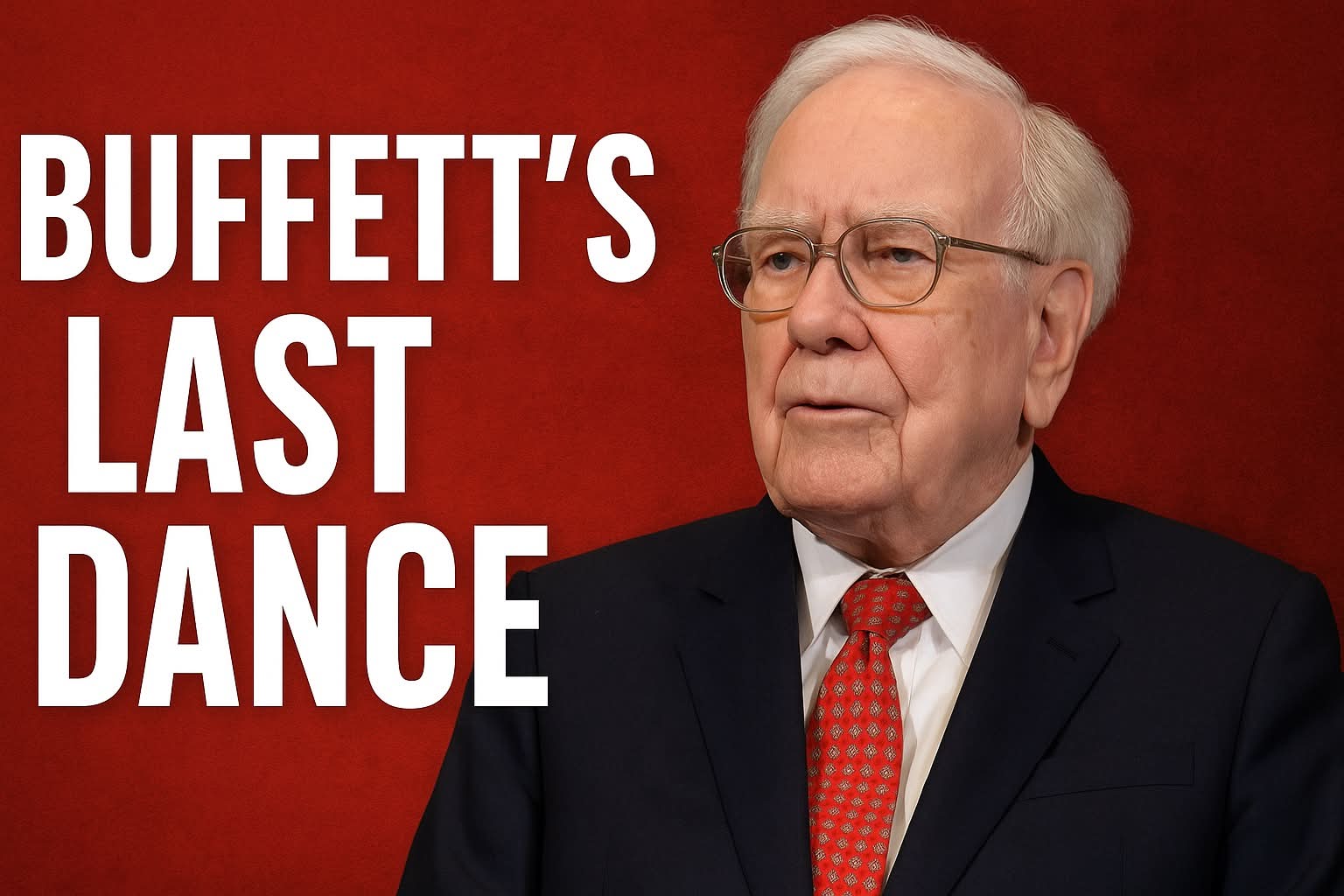
Cameron: Berkshire the 60th. Annual meeting of Berkshire Hathaway. He announced that he is retiring this year. Um, his 60th and final performance, and to be honest, I mean I watched most of his bit
TK: Oh,
Cameron: Charlie. It’s not the Yeah, yeah. It’s
TK: Okay.
Cameron: Charlie. Right. It’s just, uh, you know, I keep waiting for Warren to do his bit and they go, what do you think Charlie and Charlie having some Bon Mo at the end of it.
Some punchline.
TK: Yeah. Greg Abels. No. Charlie, no.
Cameron: No. Is this the second year without Charlie or the first, I think it’s the second right.
TK: It’s,
Cameron: annual
TK: second. Yeah, second.
Cameron: [00:19:00] Yeah.
TK: he wasn’t there during Covid ’cause he had, he had to lock down.
Cameron: That’s right.
TK: Yeah.
Cameron: Uh, so well look, it’s um, and Warren’s sounding his age too at 94.
TK: yeah.
Cameron: pretty croaky.
He’s walking with a cane, but I watched, I dunno, maybe two hours of his thing. Like, still incredibly entertaining, articulate, just terrific telling stories about how a Berkshire Hathaway lab invented the rear vision mirror for a racing car. Uh, they used to have a, they used to have two guys in a racing car, one to look behind them, and their guy was sick and couldn’t make it, so they invented the rear vision mirrors.
It is like, so if you’re wondering what Berkshire Hathaway companies are doing, just inventing things like rear vision mirrors for cars and stuff like that. There’s some subsidiary of a subsidiary of a subsidiary that was involved in it. But yeah.
TK: My favorite anecdote, I, I haven’t, I’ve only listened for the first half of [00:20:00] it, and it’s available on both podcast and YouTube if anyone wants to do yourself a favor and, and sit down to four and a half hours of it. But, um, my favorite anecdote was, uh, when they were talking about the cash pile that Warren had built up and someone asked him from the audience, um, whether there weren’t enough, uh, fat pitches to swing at. And, uh, he said, well, yeah, it’s a bit like life. Um, uh, a a 10 year old’s gonna have a lower chance of dying tomorrow than a 94-year-old. so you don’t always get the same odds every time, the market, wherever you are on the market cycle. and, and then he said, as to longevity, it’s, I also point out that, that fe females live longer than males. I tried to convince Charlie to have a sex change.
Cameron: It is a great line. It was a great line. Yeah.
TK: Uh.
Cameron: kid got up and asked him, said that he’d always advocated, um, moving slowly and were there [00:21:00] times when moving quickly had benefited them? Have you heard that one?
TK: Yeah, but go ahead. Tell her. It’s great.
Cameron: Well, no. He just says, you know, there are, there have been times when they moved quickly about one guy, I think it was the same guy that sold in the company. They ended up building the rear vision mirror. But, he found a guy that his business partner had died and this guy didn’t want to do business with the guy’s widow.
So ended up calling Warren and saying, Hey, you wanna buy my company? And they moved quickly and did a deal, like in, you know, 10 minutes with a handshake. he said, you know, ba basically they, they moved slowly. To build up the cash. So when they need to move quickly, they can. That’s basically, it’s not like you always move slowly, move slowly until you see the reason to move quickly and then you move quickly.
But, uh, it was a good, was like a 20 minute answer to the question, but it was, it was long meandering, anecdote [00:22:00] filled answer. But it was great and I’m gonna
TK: Oh yeah.
Cameron: the end of an era for many reasons. But one of them is just that country bumpkin down home soft, you know, just gentle, nice man of integrity, old school who does business with his head held high.
And, know, treats people with respect, uh, expects to be treated with respect. He said something about. You have to be willing to hang up within 10 seconds, but also like close a deal within 10 seconds as well. He was talking about how Mo most of the people he just says no to very quickly.
TK: Yeah. Yeah, that, that, um, 30 minute
Cameron: quickly.
TK: he’s spoken about before where he had, says, I asked five questions, and if they can answer those, it’s a deal. So, no one’s, no, he’s never, he won’t divulge what the five questions are. People have tried to [00:23:00] work them out, uh, he has five, five questions and, uh, which is amazing.
And he acted very quickly during the GFC to, bail out some of the American banks and to be the lender of last resort and to do two very favorable deals, deals for Berkshire Hathaway to recapitalize some of the banks at, at tremendous interest rates back to Berkshire and convertible note deals. So, yep.
He’s, he’s
Cameron: I. And Greg had a good follow up to that too, where he said, you don’t underestimate the amount of work that’s happening behind the scenes when we’re moving slowly can move quickly when the right deal comes. They said there’s like, I can’t remember the number, but there’s like a handful of businesses that they understand really well, and they’re ready to move on
TK: Yeah.
Cameron: the right price, right opportunity comes across their table.
So their due diligence.
TK: yeah. Sounds like a buy list, doesn’t it?
Cameron: Yeah, they have a buy list. Yeah, exactly. They’re just waiting for the price to get be ready [00:24:00] and for times to be tough enough that people come to. But as always, people asked him about, um, well they asked about ai, uh, I think it was Aji. They asked about ai. Warren said he would take one ADT over a hundred ais something like
TK: For the next 10
Cameron: also said AI’s gonna have a huge impact on the Geico business, the insurance business. But they also talked about the u the prospects of the us A lot of doom and gloom, obviously about the US markets and the future of the us. And Warren, as always was very of, um. about the future of the us but then also
TK: Yep.
Cameron: that they’ve, they’ve bought a lot of foreign currencies, so I don’t think he’s as optimistic about the future of the US dollar, but, uh, yeah.
TK: Well, he, um, made a couple of comments and he, he, [00:25:00] um, tries not to be too political, but you know, he, he, he said it doesn’t, it doesn’t, it doesn’t end well if one country beats their chest and says, Hey, hey, look at us. We’re really good. And, uh, the rest of you can, go away. said that, you know, world Trade helps all countries, which I think is a, you know, is true. Uh. Someone in writing about, I think it was, it was Warren. Um, but, uh, he, he does like to say never bet against the us and he pointed out at some stage that the, um, market in the US had risen from $66 to 11,497. This is a few years ago, I guess, despite two world wars of depression and a dozen recessions or shocks and flu epidemics.
So, know, he’s, always pointed out the long-term game of, of backing the US and the fact that it’s gonna, yeah, probably still gonna be around for a while. [00:26:00] I thought
Cameron: Yeah,
TK: though he is investing heavily in Japan and overseas, for
Cameron: Hmm. It’s cherry picking the era though. I mean, he’s talking about the success of the US during the century when the US was basically the power of the world. I mean, there was no other. Um, competing forces in that 100 year period from World War I mostly. After World War ii, the US didn’t have any competition economically or militarily, really.
It just, it had, uh, a, a very empty runway. And it’s not that ca it’s not the case anymore. It’s not gonna be the case for the rest of this century.
TK: We’ll see, it’s, um, they’ve certainly done well so far, the first 25 years of this century, stock market’s up dramatically and they’re facing competition. But yeah. Um, maybe it’ll be tougher. I mean, I think they did face competition in the first bit of the US in the 20th century, the end of the British Empire. Um, and, uh, [00:27:00] some parts of Europe anyway, so yeah, was, they had a lot of tailwinds for sure. All, all I’m doing is commenting on what Buffet’s saying. They may, they may have difficulty going forward. Um, they may have had headwinds last century. They still have headwinds. I think they’ll do. Okay.
Cameron: Well, we’ll see. Uh, let me move on and do you Moore? Do you have more
TK: I do, I’ve got some, I’ve got some quotes. Um, yeah, so, uh, let me just go, yeah, so just got, just on that, one of his quotes from the, the annual meeting was that, uh, he accepts that the American process has not always been pretty and is invested with scandals and promoters. Um, so I think that’s to your, you know, comments as well about us exceptionalism. but despite all that, he still says, don’t bet against America. Uh, there’s the, there was a, um, a talk about the investment with Apple and Bank of America. So, [00:28:00] The, the quote is, um, Berkshire has been selling down its enormous stake in Apple and Bank of America as the proceeds have accumulated into an enormous pile of cash, 536 billion Australian dollars. The initial investment was one of the gravest trades of all time. As the firm, which has Berkshire Hathaway accumulated 900 million shares in the iPhone maker and Buffet equipped that Apple Chief executive Tim Cook, made more money for Berkshire Hathaway than he ever did. investment grew from about 35 billion to 173 billion US in about six years. However, uh, last year, Berkshire began selling and reduced its apple stake by two thirds. There was some speculation at the time that the sales were part of a succession plan. Given that buffet’s 94 years old, buffet did con indeed confirm that he was stepping down, but he said he had no intention of making able, who apparently didn’t know about the succession plan, prior to the announcement in advance looked good by handing him a wa of [00:29:00] cash, the big liquidation of Apple stock proved justified as trade wars and supply chain concerns have since sent the stock down as much as 20%. So I think he said something like, when someone asked him about the pile of cash, was it set up to make Greg look good? He said, no, I wanna look good. Um, article today quoting some of the, um, Australian fund managers on, on, I. Buffett and I should say, uh, in a, you know, in addition to the comments I’m about to read out, if you are listening to this and you haven’t read the collective Sharehold letters, uh, of Berkshire Hathaway and you haven’t read the Making of an American capitalist or the Snowball, just drop what you’re doing and go and buy both of those and read them because they are the best course you’ll do in investing. Full stop.
Cameron: Yeah.
TK: Uh, so John Abernethy, which is, um, he’s the chairman of Climate Investment Management. [00:30:00] and I’ll declare, I’m a director of CIW now, um, and have been a, uh, a long time fan of John. Uh, but he said Warren Buffett has an overwhelming supply of common sense that gives him the capacity to invest both logically and method and methodol Of course, common sense does not mean that he always gets, uh, things right, but it does allow him to make consistently good decisions and to quickly identify and rectify wrong ones. Both of these attributes make him a great investor, and importantly from a human perspective, a great mentor to the investment world through his published thoughts and letters. Um, Andrew Mitchell from Management said one of my favorite war aphorisms is I don’t look to jump over seven foot bars. I look around for one foot bars that I can step over. Whenever a day like Liberation Date tariffs come along, I remind myself of Buffet’s never wavering view of America and capitalism, and the positive [00:31:00] sum game that investing is. That was a quote about, uh, the Dow going from 66 to 11,000. Uh, Chris Proti of QVG capital says I was 17 when I bought the Warren Buffet way at Demmick and t on Canberra. I read it immediately and thought, this is what I want to do. That was my first real introduction to the world of stock picking. What I’ve learned from him the most is rationality and discipline, even when questioning, even when answering financial questions. He’s deeply analytical, always going back to the numbers. It is incredibly difficult to maintain outsized returns when manage managing vast sums of money. Yet no one handles more that more than Warren Buffet in terms of money, and still he’s continued to generate credible, sustainable returns. That combination of scale and success is almost unmatched. Finally, his willingness to teach and share what he’s learned is another remarkable quality. He’s been generous with his insights, helping others understand the principles behind his [00:32:00] success. And lastly, Jeff Wilson from Wilson Asset Management. He says, uh, Charlie and Warren’s influence wasn’t just about stock picking, it was about instilling common sense and sound principles for both investing and life in general. and Munger made complex financial concepts accessible and practical teaching not only about investing, but also about the skills and mindsets needed for success. shared life lessons and transcended the world of finance. Their ability to communicate the benefits of long-term investing, discipline, patience, and rational decision making has left an indelible mark for decades.
They showed us what it takes to succeed in investing, how to think independently, and how to make decisions based on thoughtful analysis rather than emotion. So I echo all of those sentiments and if I ran the school system in Australia, I’d make, I. For and times of Warren and Charlie, of the curriculum for all people going through grade [00:33:00] 12, before they enter the the workforce.
Cameron: Roger Lowenstein, who wrote Buffet the Making of an American capitalist, uh, had wrote an article in the New York Times Today, the likes of Warren Buffett, we will never see again. And I just wanted to read a couple of paragraphs from that. He says, Berkshire’s stock on that day in May that Warren took over, the company CLO 1963, closed at $18 a share.
When he delivered the news of his retirement, it was above $809,000, almost 45,000 times as high over the same span. The Dow Jones Industrial average is up just under 45 times. How much did you sell your Berkshire shares for
TK: No, don’t keep reminding me. That’s a lot less than what they are now. it was, I, I, going from memory, it was in the three hundreds from memory thousands.
Cameron: ah, ago. [00:34:00] So that’s
TK: It was,
Cameron: Yeah,
TK: I did it because I actually was concerned what happens to Berkshire Hathaway when Warren and Charlie go, and it’ll be interesting
Cameron: price is down.
TK: Is it okay? I haven’t
Cameron: Yeah. Yeah. I heard it was down like 6% or something after he delivered the news. Lowenstein goes on. Mr. Buffet has long stood out on Wall Street because he its frequent chicanery self-dealing and greed, and the double talk that went with it. He revered the institutions of capitalism.
Most especially, he treated the executive’s duty to shareholders as a sacred trust, lest he be accused of violating that trust. He kept his annual salary at $100,000. He never took a stock option. The unholy tool by which chief executives expropriate a piece of the business from the shareholders for whom they are fiduciaries in corporate America.
That made him all but unique.
TK: [00:35:00] Correct. A hundred percent. And, um, largely didn’t sell shares along the way. He’s been giving him the charity as part of the, um, the wealth pack, the giving backpack, yeah.
Cameron: Yeah. And lived relatively simply,
TK: Mm-hmm.
Cameron: same car, more or less. Uh, you know, he said he had a few divorces along the way and
TK: We had
Cameron: but
TK: Yeah.
Cameron: Right.
TK: Um, and he, you know, I, he lived simply, I think, I think that may have changed over the years. I think he, I think he was a good marketer when it came to that story. Um,
Cameron: right.
TK: I’ve certainly, I’ve been to his house in Omaha. It’s certainly, you know, a classic middle class suburban house in America. but I think he probably has lived out of hotels for a long time. Um, and at at one stage he, you know, there was a corporate aircraft for Berkshire Hathaway execs to fly around. And so yeah, he’s, he’s done Okay. On the lifestyle front. I’m not gonna, but I’m not gonna begrudge him that.
Cameron: but, he didn’t live some sort of[00:36:00]
TK: No.
Cameron: Gordy sort of lifestyle. Like he kept it relatively simple.
TK: Correct. And you know, I turned on the TV again this morning and there was some clip for some dude from the us. You know, sitting in a Maserati or driving a Ferrari, singing any song and on a yacht and, you know, drinking champagne. And I’m just thinking that’s, yeah, that’s, that’s not a good image in my opinion. Warren’s image is much better. I
Cameron: All right. Anything more you wanna say about Warren before we move
TK: no, just, and we’re kind of sounding like he’s passed on. He hasn’t, it’ll, he’s, he’s probably still gonna exert an influence on Berkshire Hathaway. But yeah, next year, next year’s a GM will be interesting. Um, Warren leaves, I think in December, uh, so it’ll be six months under Greg and Aji and, and Todd and Ted and everybody else. I suspect, you know, Warren’s thought long and hard about succession and how to structure Berkshire, so it’s hard to take over and break up and, and to give, [00:37:00] um, Greg the right kind of, uh, training to trust agent and to trust the invest investment team, et cetera. So, um, yeah, it’ll be interesting to see what happens.
Cameron: Do you think 30,000 people will turn up to the annual meeting once Warren’s not there?
TK: I have thought about this. It’s more than 30. The, the, when I was there, it’s like there’s a big, used one of the arenas which holds 40, I think 40,000 people. But if you don’t camp, how at, at, you know, early in the early hours of the morning, I think I got there about 4:00 AM You don’t get a seat, you’re forced across the road into one of the hotel ballrooms to see it live on tv. So it’s more like probably double that turn up to Omaha to, um, to go to the A GM. uh, I think if Warren turns up as a shareholder, I think yes, I’d be surprised if I was Greg Abel, I’d be inviting him up on stage to take some questions. I dunno if Warren will do that, but, um, if, if he, if the sort of people think he will, they’ll turn up. Um. [00:38:00] I think, uh, some people will turn up just to see what, uh, how Greg performs and what’s happened with, um, Berkshire Hathaway to get some kind of comfort that there’s essentially no change in the strategy. But you know, it’ll be interesting to see.
Cameron: All right, let’s move on. I’m gonna skip the OPEC story ’cause we don’t have time. Um, I’ll run through a couple of these things quickly ’cause I do wanna get your feedback on this. N‑W-H-N-R‑W holdings I was, uh, looking at by, they’re on the buy list this week. I was looking at buy them for light portfolio yesterday and started to try and figure out whether or not they should be linked to some sort of underlying commodity.
for people who aren’t familiar or remember, NWH. I will just read sort of the, um, basic business overview of them from Stock. Edia, [00:39:00] NRW Holdings Limited is a provider of services to the resources and infrastructure sectors in Australia with operations in all Australian states except Tasmania and offices in Canada.
In the United States, its geographical diversification is complimented by its ability to deliver range of services. encompass civil construction, including bulk, earthworks, road and rail construction, and concrete installation, together with contract mining and drill and blast services. And they’re involved in civil engineering, mining, minerals, energy and technologies, et cetera, et cetera.
So going back to our conversation last week around a biz alloy and the steel and that kinda stuff, I’ve sort of been a little bit more cautious about tying these businesses to, to commodity cycles. But after talking to ChatGPT and reading their, um, annual general, the latest annual [00:40:00] report and trying to work it out, they seemed to be fairly diversified across different mining sectors.
And uh, I decided that they probably didn’t need to be tied to any particular commodity, even though mining in general is sort of down on our commodity charts. These guys seem to be able to move around a bit and, uh, keep the business humming along. So have you looked at them much in the past? I know we’ve talked about them in the past.
I wasn’t sure how familiar you were though.
TK: Look, I’m not that familiar with them. I, I recall doing a pulled pork years ago on them. but from memory they recognized the commodity problem and they’ve diversified into the construction sector as well. So they do, um, civil engineering, construction work and, and maintenance work too, trying to get diversified away from the mining sector. but to your point, I mean, my classic test for whether they’re linked to one commodity cycle is to open up Stock Doctor and overlay the commodity graph onto the, their share graph. [00:41:00] the only one I could see some kind of correlation, uh, for was iron or, um, so I’m not sure if they have a large iron ore. Segment in their, in their business. Um, but that’s, I mean, that would be the only argument I could see for linking them to a commodity is to, is to find their largest segment and link it to that. like you, I think if it’s, if it’s diverse, if it’s across other sectors outside of the mining sector, I dunno if you can do a, a commodity chart for them. Um, and that’s, that’s okay. I mean, we’ve still got the three point trend line on the business itself to rely on. Um, we’re just not gonna get a heads up if the commodities cycle changes, um, that might, might not have flowed through to their, their share price. But we, you know, like any other industrial share price, we still, we can still use the company’s three point trend line to, to give us buy and sell prices.
Cameron: Yeah. Well the other one I wanted to ask you about was QPM used to be [00:42:00] Queensland something minerals. Um, now it’s just QPM energy. They’ve sort of pivoted recently again, they’re on the buy list and I was looking at buying them yesterday. I think I did buy both of these. In the end. They’ve sort of pivoted.
They used to be, uh, precious minerals I think, but they’ve pivoted now to coal mine, waste gas. They’ve, they, I think they bought a company actually that did this. So they have figured out a way to extract waste gas from the coal mining process. And then they refine it and sell it. And that got me wondering if there’s a commodity for coal mine waste gas.
I don’t think there is a commodity chart. But then I was talking to GPT about whether or not that is linked to LNG commodity pricing it said, yeah, kind of loosely because they’re both marketing to the same [00:43:00] customers at the end of the day. People who. Buy gas, it’s just a different line, I guess.
Um, and I was trying to figure out whether or not I needed to use the LNG commodity price to determine whether or not, which is a sell at the moment. I think or not that should impact QPM in the end, I decided not to. But, um, I wanted to touch base with you and see how you would assess somebody like QPM.
TK: I am not familiar with QPM cam. It’s hasn’t come across my radar before. Um, we can do a pulled pork, one of it, if you like, in the future. But, um, couple of things that, you know, questions, I guess I have to, to research. One is, um, when you’re talking about coal gas, is this coal scene gas, which was a thing in Queensland decades ago. we’re gonna extract it and it as a, a, a gas alternative? Or
Cameron: Well,
TK: are they taking, is it carbon capture and storage, I guess is my other question?[00:44:00]
Cameron: I think it’s the latter, but I’m not that sure. The website says QPM Energy focuses on the strategic capture and beneficial use of waste coal mine gas. This results in significant carbon abatement whilst providing Queensland with a reliable 24 7 source of energy.
TK: Uh, it sounds like colline gas. Yeah. There were companies around doing that for, for quite a while. And you know, going back a long time, going back a long time, it was a big thing. The Queensland government was trumpeting that it was gonna solve our energy crisis and it became a niche business. It didn’t, didn’t get as large as people thought. But yeah, I think it’s, it is a gas substitute
Cameron: Yeah. Later down further in the website, they talk about how they bought the Mobar gas project
TK: right.
Cameron: which is extracting gas from coal Seams have been in production since 2006, so I think you’re right.
TK: Mm.
Cameron: So,
TK: it could be, have you, uh, the next question is when [00:45:00] did they pivot to that? And,
Cameron: that’s
TK: and
Cameron: only been in the last year or so,
TK: right. So you can’t overlay the commodity.
Cameron: Couldn’t overlay it. Yeah, I thought about that and couldn’t do it.
TK: yeah, yeah. Um, so I dunno. Ask chap, GPT, how traditionally has coum gas, you know, what’s the pricing for cols gas? Is it benchmarked to l and g? Is it linked
Cameron: This is, this is what GPT said. QPM energy is influenced more by Australian domestic energy markets than global LNG trends.
TK: Right.
Cameron: may provide a loose floor or ceiling, the relationship is second order at best. While QPM energy does not directly engage in LNG exports, the broader LNG market can indirectly impact domestic gas dynamics.
Mm-hmm.
TK: I need a domestic gas price graph. I don’t know if there’d be one around, I don’t know if we, we use one currently, though. Pretty sure we don’t.
Cameron: sure. One of, one of our QAV Club members [00:46:00] probably knows way more about the gas
TK: Yeah,
Cameron: do. So if you’re out there listening, shoot me an email and educate me some quick news items. MIUs resources, uh, came out with their Q3 FY 25 presentation record, cash flow, and upgraded guidance. Ooh, guidance from MIUs Resources.
Didn’t we just, didn’t we ping them recently for
TK: we
Cameron: guidance?
TK: Uh, for, um, yes. Yes. In a
Cameron: Red flag? Is that, does that mean we take that off? No, we said
TK: No
Cameron: I think we said.
TK: new management or at least one results, but I think new management, yeah.
Cameron: MAH McMahon secures 172 million underground contract awards. If you’re a McMahon, uh, holder, um, could significantly increase their financial position. According to an article that I read in Hot Copper, [00:47:00] Woodside is proceeding with Louisiana LNG, but it won’t come cheap with the US $11.8 billion price tag.
Woodside Energy is confirmed that the Louisiana LNG project is moving forward with an investment of 11.1 US billion targeting a supply of 16.5 mega tonnage of LNG annually by 2030, so that might impact Woodside. And lastly, OML media has announced leadership change as CEO Kathy O’Connor plans departure, not a sudden red flag departure.
Nice. Uh, transition
TK: I
Cameron: O’Connor. She’s gonna step down in the second half of CY 25 after more than four years leading the company.
TK: Yeah. And we have a request, I think, in our questions section to do a pulled pork on them. So I’ll do that in the coming weeks.
Cameron: Good [00:48:00] stuff. Well, speaking of which do you w seeing as we’re on limited time today, do you want to, into your Paul pork?
TK: Yeah, sure. Uh, so my pulled pork is on, uh, motorcycle holdings. Um. And, and the reason why I’m doing that, I’ve avoided doing MTO in the past ’cause it has a small a DT, it’s not a big company. But there was an article in the Fin Review on the weekend, which, um, piqued my interest, uh, about Hamish Douglas that people will remember from the Magellan Fund. Um, has bought a, a, a stake in, in, um. In, uh, the company and I’ll just read some extracts from that. Um, article, high profile stock picker, Hamish Douglas, who co-founded and ran Magellan Financial until three years ago, has taken a substantial stake in the country’s largest wholesaler and retailer of motorcycles. Uh, Douglas through his private company’s to support 10.45% of motorcycle hold motorcycle [00:49:00] holdings, which carries brands such as Honda, Harley Davidson, and Ducati. Uh, he says, I bought it when I thought it was fundamentally cheap. They’ve got a very interesting position as the clear number one player in an industry that’s consolidating. Uh, it goes, uh, the article goes on the quote from a paper produced by IBUs World Australia’s motorcycle sector, and they noted that it was highly fragmented with many small cook small. He says small call mom and dad operators. I guess that means small-ish, small cap mom and dad operators servicing very localized customers. are estimated to be 700 dealerships in Australia. Holdings has exploited the fragmented nature of the industry using its scale and scope to trench entrench comp, competitive advantages against smaller dealers and engage in aggressive acquisition activity. Uh, [00:50:00] report said that off-road motorcycles remain the industry’s largest selling segment in Australia with 44% of the market compared with on-road bikes At 35% in the six months to December 31, motorcycle holdings reported a 20% rise in underlining earnings before interest and depreciation of 26.2 million in that first half.
It also reduced its net debt by one third to 24.2 million, or declaring an 8 cent for the frank dividend compared to the 3 cent dividend in the corresponding period. a lot of good news in that, um, if you’re an MTO shareholder, but I decided to do a pulled pork. Oh, good. go and go and sell
Cameron: is, sorry. Uh, we’ve, we bought it back in December it’s up 29% since then. Bought it a
TK: Wow.
Cameron: $2 42. It’s done very well.
TK: Yeah. Uh, yeah. And it’s, it’s sentiment. It’s certainly crossed its sentiment line, um, after [00:51:00] its last results. Uh, okay. So it is a small a DT stock, $71,000 traded per day on average. So it’s not gonna suit everyone listening, but it’s still worth talking about giving its good performance. they say pretty much the same thing that IBUs said about them. are a leading motorcycle dealership and accessories group in Australia. they also, um, uh, engage in the sale, well, they engage in the sale of new motorcycles and used motorcycles, accessories, and parts finance, insurance, and mechanical protection plans, as well as servicing. Uh, motorcycle Holdings important, distribute a range of motorcycles, off-road vehicles, parts and accessories, throughout Australia and their own dealer network. Since 1989, motorcycle Holdings has grown its dealership network, both organically and by acquisitions and by being granted additional franchises in existing dealerships and now operates from the largest number of locations in Australia. [00:52:00] Their story, uh, founded by David Ahmet, um, they have successfully expanded over many years.
So David joined Maki Yamaha in 1988. Have you been past Maruka Yamaha can Probably on the magic mo of Motors, Barca South Brisbane. The Maruka Magic Mo of Motors used to be TV ads in Brisbane when I was growing up.
Cameron: I am not allowed to go south of the river. Tony. They, uh, they, they’ve
TK: Peter
Cameron: poster
TK: Peter Dutton won’t let you,
Cameron: Yeah. Well, he’s
TK: oh,
Cameron: door. No, it’s,
TK: The ad used to say, uh, maruka Magic Mabb of motors. Anyway, that’s, that’s one for the, that’s a blast from the past. So he started off in Maki Yamaha in 1988 took a part ownership in 1989 with a, a chat by the name of John Oliver. Um, different John Oliver to the one on in the us. Since 1999, we have grown [00:53:00] the dealership network both organically by acquisitions and being granted additional franchisees, as I said, and now operate from the largest number of locations in Australia. In 2011, the Archer Growth Fund became Motorcycle Holdings largest shareholder following the purchase of the Oliver Family Shareholding.
So John Oliver exits the business in 2011, the company listed on the ASX in 2016, and, uh, they toot their own horn there saying they became one of the most successful IPOs of that year. Uh. Since 2016, probably the next biggest milestone was the, uh, acquisition of a company called Mojo. The acquisition of the Mojo Group, one of Australia’s largest importers and wholesalers of motorcycles. Genuine spare parts and accessories was completed in October, 2022. The other thing about, um, mojo Group is that it also imports and sells scooters and ATVs, electric motorcycles, and the spare parts and accessories that go with that. And they [00:54:00] have a 150 strong dealer network. Uh, MTO, or sorry, mojo Group is headquartered in Altona, uh, in Melbourne, uh, has a 5,000 square meter distribution center up by a 2000 square meter facility in Yala Queensland. The acquisition provided significant growth by introducing the importation of those boot, as I talked about. yeah, so that was MTO that, uh, the principles of companies they’ve acquired over time have become board members, and I’ll talk about that in a minute. I can talk about it now.
So David, uh, this company hasn’t known a founder, David Arme, um, since 2011. He’s been on the board. That’s, which is kind of strange Doctor says since 2011. But he’s the founder and, um, goes way back to the start of the company. So I think he’s probably been on the board for longer anyway. Uh. He, he owns 15.4% of [00:55:00] the company, Casson, who has 35 years of experience in the motorcycle and bicycle industry.
Joined in 2017 as part of the acquisition of Cassons Group. Um, a motorcycle and bicycle clothing and accessory distribution business. He owns 4.55%. lastly, Michael Poin joined in 2022. Uh, he was the former CEO of Mojo motorcycles I spoke about before. um. O overall, the directors own 29% of the company, including the founder. Um, to go through the QAV numbers, I’m using a stock price of $2 40, which is above the byline. it’s less, it’s uh, less than consensus target. I. is greater than iv. One of a dollar 12 less than iv two of $2 50 is 6.25%, um, based on that extra dividend I spoke about before. it just speaks in about above being the average mortgage rate in Australia.
So I give it a score [00:56:00] Stock Doctor. The financial health and trend is strong and steady. Stock Edia ranked, the quality is 89 out of a hundred. Uh, value is being 96 out of a hundred and overall being 99 out of a hundred. So ranked this company highly. The F score in is seven out of nine. So that’s the, um, the ranking of the quality, uh, metrics of the company PE is 11 times, which is high. Uh, but as of the last results it was 9.16, which is not quite the highest the last three years. So it, uh, scores a zero for us. Pr/OpCaf is 3.99 times, which is low. So, um, we can buy this on just under four times operating cashflow, which is quite good. Net equity per share or book value is $2 78, so we can buy it for less than book and book plus 30, but I do highlight that, um, NTA net tangible assets for this company around the 84 cents. we’ve seen this before in dealership, uh, rollups. [00:57:00] Um, last time we saw it was in the pool pork on a SG or those sports group where, uh, roll ups in the sector means paying goodwill to buy out, um, uh, other franchises, franchisors. And that goodwill goes on the balance sheet, which, um, gives it the, disparity between, uh, net equity and, uh, net tangible assets. don’t mind that in these cases because again, again, as long as they. the reasonable price for those dealerships. Um, oftentimes, um, the dealership trades above what its asset backing is, you know, the inventory of stock, whatever the, the, there’s, if there’s any sort of calculation as to the franchise value, um, uh, oftentimes someone won’t sell until they get a, uh, a bit above that. So as long as the, the franchisees ease the franchise also purchase, remain relevant and trade well, then I think that it’s fine to go and, um, book value. Uh, what else can I [00:58:00] say? Um, I did, did wanna talk about, uh, CEO succession, which has just happened, but I’ll just sum up the scores first of all. So, currently MTO scores an impressive 16 out of 17 for quality and 94%. Uh, which is 94%. And the low prop calf multiple means a QAV score of 0.24, pretty good. Um, risks, uh, it’s a retail business, so they may suffer in an economic downturn, um, which may be coming. Uh, certainly an uncertain future. They are diversifying more towards electric bikes and scooters, which are helping their ESG credentials. Um, motorcycles overall do use less fuel than cars and trucks, so um, also helps their ESG credentials, uh, if they can convert car drivers to motorcycles. Um, but I highlight it because people with an [00:59:00] ESG screen will need to look closely at the business and make their mind up uh, on whether it’s, um, a positive or a negative in terms of that we remain neutral on those kinds of things and let our listeners decide for themselves. I did find, uh, the last thing to talk about in terms of risks, I did find, uh, a notice, um, the 27th of September, 2024. Uh. Which reads, um, motorcycle Holdings announces the retirement of Mr. Dave Amit as Chief Executive and managing Director, the point the appointment of Mr. Matthew Wisener as chief executive of the company commencing in December, 2024. Matthew brings over 20 years of senior leadership experience both wholesale and retail with e automotive industries and, uh, et cetera, et cetera. he’s been, uh, managing director of various retail and wholesale operations and public companies um, has experience in the bus in the [01:00:00] business sector. So, looks quite, um, reasonable. what piqued my interest was, um, further on down the announcement after 13 years as CEO managing director Mr.
Dave Amme will transition from his executive role to a non-executive director from December, 2024. Mr. Amme will continue to be. Actively involved in shaping the strategic direction of the company and provide counsel to Matthew ensuring a smooth handover while retaining a large shareholding. Uh, Amme said whilst retiring from the CEO role, I intend to remain involved in the strategic direction of the country company and exists Matthew, and any capacity I can. However, I do need to focus on my health following a recent accident, so the time is right for me to step aside and pass the baton onto Matthew. I’m sure motorcycle holdings will benefit from Matthew’s track record of driving business growth and focus on results. I will stay closely involved in the business ensure smooth transition and intent to remain [01:01:00] a significant shareholder going forward. Didn’t say what the accident was. Um, I’m wondering whether being involved in the motorcycle industry the way he is, whether he is had a motorcycle accident, um, which I guess is one of the dangers of riding, riding, riding motorcycles. I added that to the risk involved in this company. They’re all riding motorbikes, and that may, that may be a risk. As one of my colleagues said many years ago, what do you call a motorcycle cyclist? A temporary Australian. So that might be a risk for the company.
Cameron: Wow. Did you get any assessment about their position on electric
TK: I didn’t only that they were, they, um, were trying to diversify that sector of the, of the, um, business.
Cameron: I just asked Chachi, pt how big that niche is. It says in 2024, only 429 new electric two [01:02:00] wheelers were sold in Australia, uh, in stark contrast to the 94,224 new motorcycles sold overall.
TK: Yeah, I think they must have all been sold in King’s Cross fudging by all the electric bikes that the Deliveroo riders were and scooters Deliveroo riders were
Cameron: Right. Yeah. Maybe that is the market for them too.
TK: Hmm,
Cameron: Yeah. I wonder why. I why they’re not, it’s not a bigger, I dunno what percentage of cars are electric these days, but it’s probably a bigger percentage than that. I would imagine. I saw a thing in the financial view today, you know, BYD is selling six times the amount of vehicles as Tesla in Australia.
TK: hmm,
Yes, I did see that article. isn’t it? And who’s who was a big investor in BYD
Cameron: Charlie,
TK: Charlie. correct.
Cameron: Uh, I, I, getting back to our political thing, and you were talking [01:03:00] about whether or not this gives, this mandate, gives albo the balls to do some things like reform of the tax, uh, legislation. I was wondering if we’re giving the balls to decouple from the United States and throw away in with China.
TK: Well, Donald Trump called him up. Donald Trump called him up, you know, to wish him well, so they’re friends.
Cameron: Um, uh, sorry. They’re in where the, um, milk is on the, near the shoe rack there. I meant to tell you. I ca I took about the car. I must say they’re on the UHC milk thing. Sorry, Chris, are you looking for the car keys? Yes. Donald Trump called him up and they said nice things to each other, which I. I don’t believe that story at all.
But anyway.
TK: All
Cameron: well thank you Tony. We do have one question from Trent, um, that we can probably handle relatively quickly. It says Helio is currently on the buy list is [01:04:00] confirmed. A special dividend from its sale of Loomis as dividend is quite large, will breach its three point trend line on X dividend and extremely unlikely to bounce back above the payment date.
So how would Tony handle this? This is one of Trent’s, uh, continuing series of questions that he already knows the answer to because you’ve answered this 10,000 times over the years, but he’s trying to be nice.
TK: He is. I love Trent’s questions. Yeah, we’ll call him Robin from now on will we? He just like that. Gets the Batman back slap face.
Cameron: right. He’s volunteering for the backs. Slap
TK: Yeah. Yes. Well done. Uh, look, uh, in the absence of any other information, I’ll hold it and then, uh, I says it’s quite possible the sell line will redraw itself on the graph ’cause it is a big dividend coming off it. The price should reflect the sale when it goes X dividend and the return of that capital. Um, and the price should drop it’s, I think a relatively [01:05:00] short time period of about three or four weeks between x dividend date and the payment date. um, it’s possible that, uh, the share price might recover. Um, who knows? Um, yeah, it’s also possible the three point trend line will redraw, it will redraw itself given the, the share price may drop below the current. L two and possibly L one as well. So, um, in the absence of any other information, I won’t try and predict I would hold it and then make a call when it happens.
Cameron: Right.
TK: not financial advice. Trent. You do what you need to do and sleep tired at night. well at night. Um, but thanks for the question and hopefully you, you profit from this.
It’s a good, it’s a good dividend to receive tree
Cameron: Brent’s other question was, uh, how does double market return Square with a left of she Guevara political view? this the kind of question that TK thinks market [01:06:00] research needs as a qualifier to test the strength of the claims of the person’s preference? Um,
TK: that’s directed at you, I think, rather than me.
Cameron: Yes. Oh yes. wondering if anyone would pick up that.
And I’ve, people have asked me that, how can you be a communist and talk about share investing? I’m like, look, communism reflects the world I would like to see. I would like to see a world where everyone is taken care of, everyone’s needs are met. And I would like to see us work towards a society where everyone is taken care of, and we engineer our society towards that.
Some form of, utopian Star Trek Communism where everyone gets looked after. However, I don’t live in that world. I live in a world where I have rent to pay and bills to pay. So I need to make money like any other dirty capitalist in the meantime. But politically, would love to see us move towards a more utopian I.
View and politically, that’s what I would love to see us talking about more is how do we get [01:07:00] to what is kind of perfect society that we would like to engineer, and what are we gonna do to get there? What are the steps to get from here to there? the kind of dialogue I would like to encourage, but I don’t get to see a lot of that.
We don’t do that. We just go, eh, let’s fiddle around the edges. But, uh, we’re not trying, we’re not talking about building the, uh, society we want to be.
TK: Yes, look, I agree and hope again, hopefully with a large mandate, the government can address some of those issues. Um, we’ll start to think about more about them more, but I agree with you. But like, if we’re gonna go, if we’re gonna, you know, base a political system around wish fulfillment, I wanna live indefinitely, that, that’s my political
Cameron: that? Tony
TK: yes.
Cameron: nanotech,
TK: Capitalism.
Cameron: as in our advisor.
TK: Yeah.
Cameron: you say that, but you know who’s producing most of the AI researchers in the world right [01:08:00] now?
TK: Chinese capitalist party.
Cameron: No. No. Tony? No. Tony.
TK: Oh, so they’re actually communists in China, are they?
Cameron: Uh, do we this discussion Every week
TK: well, like I say, if you go, uh, yes, because you describe, um, a utopian state, which is fine, but then can’t point to anyone doing it at the moment, whereas I can point to capitalism as something that’s worked,
Cameron: Well, has it though? It’s produced Donald Trump and
TK: that worked. Didn’t say it worked perfectly. There’s a lot of bad things about it.
Cameron: well, what’s, what’s worked
TK: I think, I think honestly, I think countries like Australia has worked. Don’t shut me
Cameron: we’ve
TK: Don’t de
Cameron: have time like this.
TK: a regulated capitalism.
Cameron: Yeah. Yeah. That’s the problem though. That sounds great in theory. But the problem with the problem with capitalism is the [01:09:00] people with the money end up making sure that they’re not regulated.
That’s
TK: Yeah, there’s lots of problems with capitalism. You need regulation for sure.
Cameron: hmm. Alright, we’ll do a show on that next time, but, uh, we need to run off and do a US show need to get to kung fu. So, uh, we don’t even have time for after hours unless you’ve
TK: Uh
Cameron: horse racing.
You need to throw in.
TK: uh, I’ve got a couple of horses going to a sale on Thursday and that means I’ll be recording from somewhere in New South Wales. Next week I’m going to Sydney and then heading down the coast of place in golf. So, um, probably Bay way next week.
Cameron: Bateman’s Bay. It’s lovely.
TK: Mm. Good.
Cameron: All right, thank you, tk. Thank you everybody. Have a good week.
TK: Yes. Happy ASX.
[01:10:00] [01:11:00]