
Transcription
QAV AU 817
[00:00:00]
TK: But are recording this, aren’t you?
Cameron: I am recording this. Stop. That’s the only way to get you to stop talking about Benny Hill is to hit the record button.
TK: Oh, man. I was having fun
Cameron: Yeah, well, you can still have fun. Just need to talk about investing and have fun. Welcome back to QAV.
TK: pages of differences in accounting standards versus Australian accounting standards.
Cameron: Uh, well, you’re welcome. I like the fact that you said you used, you used chat GPT to summarize it, I said to Chrissy, cracked Tony. He’s using chat GPT to summarize stuff now. There you go.
TK: out, I pulled out the summary about two hours ago to prep for the show and I’m going, this summary’s useless. It’s really bad. it’s just too high level. Doesn’t
Cameron: Oh, your summary that you made. Yeah. Right.
TK: don’t, not that I made the chat.
Cameron: Yeah.
TK: mate,
Cameron: Oh, yes. Yeah. It’s blame the, blame the,
TK: and we both agree it’s it was, it’s about the standard that a [00:01:00] pretty poor grad in corporate life.
You’d have to double check their
Cameron: Wow.
TK: Mm-hmm.
Cameron: Well, yeah, there’s some truth to that, but
TK: Oh, thanks.
Cameron: depends.
TK: not
Cameron: The, it depends on what you’re doing with it. But, um, yeah, look, they’ve still got a long way to go before it’s as reliable as it needs to be. And then funny thing is the, the, the latest models, the more advanced deep reasoning models like oh three that they came out with a few weeks ago, has a higher hallucination rate than the older models. They haven’t quite worked out why that is yet. But, uh,
TK: It is probably
Cameron: yeah.
TK: Benny
Cameron: Yeah,
TK: Yeah,
Cameron: like you,
TK: it’s, yeah.
Cameron: welcome back to QAV. This is episode 8 1 7. This is the 29th of April, 2025. Uh, how’s your week been tk?
TK: Yeah. Good, really good. Thank you.
Cameron: That’s [00:02:00] good.
TK: had a nice dinner on Saturday night. We can talk about this in after hours, I suppose, but Yeah. And good.
Cameron: Oh, okay.
TK: It was a birthday
Cameron: Well it’s been a good week on the market too. The market’s been up again for reasons that escape me ’cause there’s nothing good going on in the world. But, uh, you know, the markets swings and roundabouts, uh, really, isn’t it? It’s,
TK: was the worst of times.
Cameron: is that you, you quoted that last week?
TK: age of incredulity. Yep.
Cameron: it’s, uh, it’s sort of a crazy time and, and now more than ever on this journey of mine in QAV and investing, I learned to just. Like, if I try and figure out why the market’s having a good week or why it’s having a bad week, I can’t make any sense of it. I just sort of ignore it and, and just, uh, go, uh,
TK: out
Cameron: you know
TK: Yeah.
Cameron: who the, who the hell knows who, who try, who can make logic [00:03:00] out of it’s going.
TK: As someone said to me today, like everyone’s focused on the US but we have an election coming up this Saturday as well in Australia.
Cameron: Who we,
TK: Yeah. And like is that gonna have any on the stock market? No, probably not.
It’s
Cameron: I did the, um, I did the ABC’s Vote Compass questionnaire earlier. Have you done it this year?
TK: Not this year. I did it when it first came out a couple of years ago. It must have been the last election. What did you come
Cameron: The questions were interesting. I came out left of she Guevara man. It’s, uh, you know, they have a little, they have a matrix. They had to, my mine went out on the left hand side of the matrix. It sort of fell out of the matrix. Yeah, yeah. No, actually it was funny because
TK: to find your, uh, position on the, on the.
Cameron: they, um, they give you this [00:04:00] little, um, afterwards, results thing that shows you which candidates you agreed with, uh, and what percentage of the time. And I actually had some, apparently where I agreed with the one Nation party and some where I agreed with the liberals and with the greens. But, um, it was, I was, there you go.
So I’m spread across the board, but mostly left of Shara. And it was just like, should the government pay more for education? Yes. Should it pay more for, um, cover the cost of abortions? Yes. Should, should we have the Aboriginal and Torres Strait Islander flag at all events? Yes. Like, it was just all
TK: And
Cameron: seemed to me to be very,
TK: the
Cameron: very basic questions.
TK: you ask, only good analysis for research is conjoin analysis. The questions need to be, [00:05:00] should I pay more for, should I pay more for education if I have to pay more in taxes to fund it? gotta give people a choice between two.
Cameron: Uh,
TK: Yeah.
Cameron: that’s too complicated.
TK: like you do research and you’d say, what do people think of fuel prices too high?
It’s like, yeah, okay, so you pay less for fuel and not have clean toilets? Would you pay less for fuel and not have a convenience store? Would you pay less for fuel and only be able to fill up between in business hours, et cetera, et cetera. So you gotta do a conjoint to work it out. Would you drive more than 20 Ks to pay less for your fuel, et cetera, et cetera.
Cameron: There you go.
TK: Yeah.
Cameron: That’s why you get paid the big bucks, Tony.
TK: why I did when I had the
Cameron: Yeah,
TK: department
Cameron: did.
TK: Yeah.
Cameron: And, uh, your mate, Mark Carney, looks like he’s won the Canadian [00:06:00] election. Is that his name? Mark Carney.
TK: It is. Yeah. And it looks like,
Cameron: Mm.
TK: I saw something before I jumped on the show on Facebook saying that, uh, the, the leader of the conservative party may lose their writing as well, which could be a precursor to our elections on Saturday.
Cameron: Mm. You know, we live next door to Dutton’s, um, electorate here, and he, there’s an independent running against him, Ellie Smith, and she seems to have a mad sort of support base. Um, people lining up with her, they call ’em, little card things. And her billboards are up everywhere and posters everywhere, Facebook ads everywhere. So I don’t know, uh, what the chances are of him losing his seat, but he seems to have some pretty stiff competition from the independence. So that’ll be interesting.
TK: It will be very interesting. I think he’s the narrowest margin in Queensland. [00:07:00] It’s like 1.6%, something like that. And uh, given that he’s got a campaign all over the country and not just in his own electorate, it be difficult.
Cameron: And I, I saw a thing on the A b, C today that said, uh, we will get to investing people. Trust me. Um, that said,
TK: or
Cameron: that the 2020,
TK: the other.
Cameron: the 2022 election the lowest primary vote for the liberal party since the party was founded in 1944. And the Labor Party had its lowest primary vote since at least 1934.
TK: Yeah. And if you break it down even further, I think you’re referring to the coalition vote. The liberal voters now, I think barely 20%.
Cameron: Wow.
TK: Hmm.
Cameron: Well, anyway,
TK: Yeah.
Cameron: it’ll be a, we’ll see what happens on the weekend. Um,
TK: affect
Cameron: the, the, if the.
TK: I don’t think
Cameron: No, I don’t think it’s gonna have a [00:08:00] big impact on, oh, this is big. ’cause we know you don’t make predictions.
TK: Although my, uh, my, um, bet on labor forming majority government has now shortened from seven to one to, I think it’s $2 20 now. It’s now the shortest priced odds BET fair.
Cameron: Right.
TK: Mm-hmm. So I’ve
Cameron: Well, let me just do a bit of a, I haven’t, I haven’t done a portfolio update for a while, so let me do that. Uh, the dummy portfolio for this financial year is currently up around 13%
TK: Gee,
Cameron: per annum for the financial year. Capital gain is about 7.2% and the income return is about five point a half. The, this is first the STW or the SPDR 200, which is up just under 8% for the financial year. And if I do all time. The dummy portfolio is tracking, uh, about [00:09:00] 13.15% per annum eight and a half for the benchmark. So not doing twice as good for some reason.
TK: long term, hasn’t it?
Cameron: Yeah, it has dropped back a little bit, but having a good, uh, financial year.
TK: Yeah, that’s a good return. I don’t
Cameron: Uh.
TK: much, else in the world getting double digit returns this, this year, given what’s going on.
Cameron: Ah, well, there you go. And you know, there’s, let me see. Well, like what have I, uh, I think I have had to trade something recently. I sold RMSA couple of weeks ago. That was the last thing I sold when we decided that they got a red flag and replaced them with IGL. That’s really been the only trading I’ve done.
Oh, no. I also sold, sorry, on the same day, 16th of April, I also sold [00:10:00] SUL and MAH and bought TBR.
TK: sorry to interrupt my story of SUL as I bought, I, I hold it myself. I declare that and every, every time I get a nightly, uh, alert to say the cell it, I check it the next day. And it was back above, its its cell
Cameron: Hmm,
TK: so I still
Cameron: hmm
TK: and it’s, it’s now heading up above its cell line again.
We’ll see.
Cameron: hmm. My super portfolio not doing as well. It’s up about 6.2 or 3% for the financial year, slightly less than the index. It’s come down, was doing a lot better than the index back in April, but it’s taken a bit of a beating recently for some reason. And what the light group, let me check the light group.
This financial year, the light group, [00:11:00] all four portfolios together is up 10 point something percent versus again, the benchmark just less than eight. So doing well too. So there you go. That’s across the board. My portfolio updates, not the US but we’ll do a US show after this and I’ll do it then.
TK: Very
Cameron: How’s your portfolio doing? Do you know? You even looked?
TK: No, I haven’t looked.
No. Haven’t
Cameron: Okay, well, um, I know you’re gonna do a pulled pork on BIS later, so I dunno if I should skip my BIS thing, but I will mention it ’cause I nearly bought, well, I, um, was gonna buy it or did buy it or something yesterday, uh, for a light portfolio, I think. But I noticed that, uh, steel is a commodity sell and has been for quite some time sorry, this is, I, I, I hold BIS in one of the portfolios, the light portfolios.
TK: not, a buy on the
Cameron: No. [00:12:00] I hold it and for some reason hadn’t realized it was a steel thing and a steel cell. And steel has been a sell for like five or six months. So I went to sell it, but then I saw that the biz price has been going up
TK: Mm-hmm.
Cameron: and I was, again, I was like, I’m such a genius when it comes to screwing stuff up. And it always goes well for me. Uh, like the RMS buy the other day. Um, and so then I looked into it a little bit more and saw that according to their website, they’re Australia’s only manufacturer of high tensile and abrasion resistant quenched and tempered steel plate. And of course I understood, uh, none of that. So I asked cha cha cheap PD what the hell that all means? it said, uh, yeah, they’re, it’s like very, very specialty steel that goes into making, know, military. I think they make Ironman suit and Captain America Shield and shit like that,
TK: Yeah, not quite.
Cameron: [00:13:00] so,
TK: port.
Cameron: right. But they’re not a straight steel play. Their, their share price doesn’t seem to follow steel price of, if I look at it over the last five years.
So I’m thinking maybe we shouldn’t classify them as a steel commodity stock and sell them and buy them based on the steel commodity. Do you wanna wait till you pulled pork before you comment on that?
TK: Um, no, Mike, well, I can do it now. No, I think they are a steel commodity stock still, and in fact, they called declining steel price out as one of the issues that they’re basing against, in either their latest financial update or their annual report from last year. I picked it up when I was doing research, uh, into the company.
Yeah. So, no, that, it’s definitely a steel commodity stock. Um, we’ll cover it in the pulled port, but it’s been going up because it’s now part of the All Lords as of this year. And their steel is
Cameron: Oh,
TK: lot in the defense industry, which I think is a bit of flavor of the month now that, uh, [00:14:00] the US is kind of forcing countries to raise their defense spending.
Cameron: so should I sell it?
TK: If it was me, I would, if it’s going up, keep it and then sell it when it turns down.
Cameron: Right. Well, it’s,
TK: um, make the most of the, well, it’s not a sell, it’s a, it’s a commodity sell with steel. And, um,
Cameron: Hmm.
TK: again, foreshadowing the pulled pork steel is a falling knife, but it’s, it actually is pretty close to its buy, buy price.
Cameron: Right. Well, if I look at, um, let me see if I’ve got my alerts sheet open.
TK: point to make is I’m about to do it as a pulled pork, so you should sell it right now before I get, before I get into it.
Cameron: Good point. let me just, you know, [00:15:00] biz I’ve held since in light portfolio since October 23. It’s up 64%. Um, I’ve got the sell price at a dollar 51. It’s currently trading at $3 43, so you know, it’s nowhere near any of my cell triggers. I’m not using the steel commodity cell as a trigger, it’s not gonna breach any of its other cell triggers for a long time unless pants catch on fire.
So, I don’t know,
TK: I,
Cameron: what do I do? I wise one,
TK: I would, uh, check the steel price next week. Next time you do it, uh, a download and just, uh, keep your eye on it because I think it might turn up into a buy in which case you hold biz.
Cameron: in which case we just pretend this never happened. Okay, good.
TK: Well, [00:16:00] I, uh,
Cameron: Um
TK: It’s, um,
Cameron: hmm.
TK: it’s a, you can sell it. It’s a sell. Come on. Do these a sell, you’ve just realized. But if you have a look at the, the graph, it’s, it’s like cents away from the, from a buy price. So I just give it a couple of days to see if it becomes a buy in which case can you continue to hold it?
Cameron: All right. Well, the other thing I wanted to update everyone on is the Wikipedia Pr/OpCaf situation. So just to remind people, a few weeks ago now, one of the shows we were doing, I think it was a US show, you picked up on the fact that the calf numbers for a stock that I had bought made no sense. And I created a new column in my Stock Edia checklist did a manual calf calculation that sits alongside their prop calf calculation.
And I compared the two across the whole list of stocks. And yeah, they were [00:17:00] way off, uh, way, way, way off. Yeah.
TK: Oh
Cameron: So I emailed Elio di tomato and then didn’t get a reply, and then found out that the Australian Wikipedia team vaporized late last year and just never told us. So I reached out to their British team and they took three weeks to reply to me until I pinged their CEO on Twitter and said, uh, does anyone still work there?
Then somebody got back to me and they said, in our calculation, we use market cap and divide it by the operating cash flow to get price over operating cash flow. Note that for both, we would use the statement currency to ensure, like, for like, you should be able to verify this by adding mark cap operating cash flow and price to operating ca price to operating cash flow to your tables, and then checking that they match. And I [00:18:00] said your numbers and because they asked me what my, how I calculated mine and I said, I take the price per share and I divide it by the operating cash flow per share. And my price to operating cash flow number. Right. Is that right? It’s pretty straightforward.
TK: Now, now, hang on. You need to get the cashflow per share first. Operating
Cameron: Yeah. They have, they report an operating cash flow per share in their
TK: Gotcha. Okay.
Cameron: table. So I take the price per the closing price per share,
TK: Yep.
Cameron: divide it by the operating cash flow per share.
TK: Mm-hmm.
Cameron: Yeah, that’s my price to operating cashflow number. Right? It’s pretty simple. did check it with chat GPT to just make sure I hadn’t gone completely insane and said, no, no, that’s right. So their numbers and my numbers are completely way off. So, um, I shot them an email back and, and I included a table to show them the differences. So just to give, and these are US stocks. Just to give you [00:19:00] an example, um, we have, uh, so this is from the buy list, us buy list that I did the other day. Um, tk, their price to operating cash flow is 1.39 minus 5K EP.
Theirs is 1.01 minus three. SYF, theirs is 1.93 minus one. So in that case, mine is lower. theirs is 2.42 minus seven TEN. Theirs is three, uh, 1.53 minus five. So, big differences, um, and I asked Chachi Kapi about it and it said there could be adjustments to the operating cash flow figure, normalizations or smoothing different timeframes being used, EEG forward estimates versus TTM use of an average market cap instead of a point in time market cap. between basic [00:20:00] and diluted share counts affecting per share values. Point being, it’s, um, it’s a big difference and it, and it affects everything in stock. Edia, so I know a few of you out there in Australia are using stock edia. My recommendation is create your own column. Price per share divided by operating cashflow per share. And use that one your scoring, or your filtering, uh, as well as the scoring. Actually, I dunno if I’ve changed my algorithm to change the scoring on that. I should remember to do that.
TK: So their calculation should still be right, ’cause it’s market cap divided by operating cash flow total, which should be the same as dividing both sides by shares to get a cash flow per share and the stock price per share. they should be the same results. So then the, the difference has gotta be on [00:21:00] the number of shares that we’re using.
Right. So yeah,
Cameron: Yeah.
TK: yeah, but yeah.
Cameron: You would think
TK: You would think, all right,
Cameron: you.
TK: have to do some digging around in that myself and try and work it out too.
You haven’t, you haven’t done it line, line by line for the Australian buy list, have you? ’cause I remember you did all that to reconcile it back. Before we committed to using Stock Edia.
Cameron: I haven’t checked the Pr/OpCaf calculations, ours versus theirs in the Australian list. No. What?
TK: You did. Originally when you were putting together the, you used to do a
Cameron: Yeah.
TK: Edia versus Stock Doctor, and then compare them.
Cameron: Yeah. So I, I did compare the BS to make sure that the BS up, which they did.
TK: Hmm.
Cameron: Um, I did also at some stage do. The, the raw [00:22:00] data, um, Wikipedia’s raw data for a stock and Stock Doctor, raw data for a stock, um, on top of each other. So I could see if there was any that were wildly out. And there were a couple of things like the a, a average daily trade was one that was
TK: Right.
Cameron: very, different that I spent some time working out. So,
TK: The only reason I’m asking is
Cameron: uh
TK: up in Australia, but they don’t in the us then
Cameron: hmm.
TK: it could be a like a different accounting principle or something in the US that we don’t know about.
Cameron: Well, there’s another 17 page report I can
TK: Good.
Cameron: prepare for you.
TK: I’ll far up the Benny Hill YouTube channel.
Cameron: All right, well, I’ll check those things, but that’s just an update for people. Be careful of that. Once you’ve got on your list of things, tk.
TK: Yeah. I got nothing but the pulled pork.[00:23:00]
Cameron: Good. We got a question from Dave.
TK: sure. Go hit me with it.
Cameron: Well, we’ll do that first then.
TK: Yeah.
Cameron: He says, I’m having a look at last week’s Paul Pork CWP Cedar Wood properties.
TK: Mm-hmm.
Cameron: I noticed the operating cash flow is negative based on an as reported basis in Stock. Doctor operating cashflow is positive on an annualized basis. Can you remind me why we use annualized and not as reported?
Thanks, Dave from Newie.
TK: Yeah, good question Dave. Um. I guess that I have a bias towards smoothing the operating cash flow. ’cause companies can be a, they can be seasonal. So if you think of a department store like Meyer, they will always have a good Christmas and get lots of cash in, and then have a lean time the second half where the cash flow drops.
So Stock Doctor just by default adds half and the proceeding half to get her to give you a rolling number, [00:24:00] which smooths out cashflow, which is how I like to look at it as well. So you can smooth out seasonality. I guess also probably the case for a developer, like see the Woods where they may have had a big transaction, like they a whole bunch of apartments or something in one half and have a high cash flow, and then half they’re buying land and have a low cash flow or whatever.
so smoothing, it’s good, but that’s the only reason. I mean, there’s, it’s, it’s really a preference. You could do it half by half and then you’re probably more likely to get in and out of. Stocks and if you smooth the cash flow, um, you know, it could be, the difficulty is for a company like Cedar Woods is, is the half with negative cash flow the start of a trend or is it just simply the timing of Um, since you know, it’s, it’s a pretty good company on all its other metrics, it’s probably gonna be a cyclical thing. So that’s why I like smoothing out 12 months worth of [00:25:00] cashflow. But it’s really just a, a preference and it’s something Stock Doctor always lent towards as well and those numbers easily.
So that’s kind of where I’ve defaulted over the years.
Cameron: Hey, did we wanna talk about the sale of Stock Doctor?
TK: Yeah. What do you wanna say about it?
Cameron: Well, uh, I didn’t know until you told me that they have been sold. I don’t know what happened to my, the press release, but, um, they’ve been sold to some sort of financial services business.
TK: Yeah.
a company called Prime Financial Group. I, I’ve got a feeling that may have been on the buy list many, many years ago.
Cameron: Right.
TK: is,
Cameron: Yeah. Sounds familiar.
TK: yeah, so, uh, wealth management, financial planning group. Uh, I guess, you know, they’ve, they’ve bought a database of customers plus a couple of funds, which kind of fits in nicely to what they do.
Um, [00:26:00] so it makes sense. But yeah, uh, I
Cameron: A roll up.
TK: don’t know the reason why the sale happened. Tim’s getting probably around at my age, so he is probably thinking about retiring. Uh, I don’t know. I don’t know what the reason is. I think he’s got a, an earnout period, so I’ll still keep working. I don’t know what changes there’ll be.
It’s a bit of a watch this space. But yeah, it was interesting to see
Cameron: Hmm,
TK: Well, they’re, they’re, I guess they’re now part of a listed company, so they’re entering the, the ASX
Cameron: hmm hmm. All right. Well, why don’t you get into your pulled pork then? Tk.
TK: Yeah, biz alloy. So one of the reasons for picking this company is that I haven’t talked about it before and it’s getting. Hard these days to find a company that’s, um, has positive sentiment, um, and is having, not having a Josephine moment, uh, given the turmoil on the market. So I’ve picked biz alloy steel group to talk about [00:27:00] a, it’s interesting.
Uh, b it’s way above sell price, but it is below, its by price, so it’s not a buy at the moment. And as we talked about before, the underlying commodity, which is steel, is still a sell, but is a few cents below. Its by price. So this is, I guess for background and, um, it’s a watch the space. I’m not suggesting anyone should race out and biz Oy steel.
And it’s, uh, you know, not, not triggering our bings at the moment, but it is on the buy list waiting for sentiment to, um, improve in the steel market. What is it? Um, a, it’s a company that sells a particular type of steel as, as we discussed before. does that via a couple of, um, majority owned distribution businesses.
One in Indonesia called B PT Bimmer, B alloy in Thailand B Alloy Thailand, and, uh, has a part of a joint venture called the [00:28:00] ESE Cooperative Joint Venture. Um, which is, oh, sorry. It’s, it’s, it’s, the business is a Chinese cooperative joint venture and the company is called Biz Alloy Gang. Brackets Shang Dong Steel Plate Company.
So it sells basically markets, um, uh, tempered steel into Australia and into Asia and China. What they say about themselves from their website, their products are engineered for extreme environments supporting key industries such as mining and defense in the resource sector. Biz alloy provide high wear protection steel while our protection plates are designed to safeguard personnel.
Biz alloy steel’s is Australia’s only processor of quenched and tempered high strength abrasion resistant and protection grade alloy steel plates, biz alloys, unique standalone heat treatment facility in Anand near Wollongong is a highly [00:29:00] automated and efficient operation, providing a relatively low cost base, allowing it to compete with a variety of imported products during the six months ended.
31 December, 2024. utilized green feed steel supplied mainly by ne neighboring blue BlueScope Steel in Wollongong complimented with, uh, selected supply from international Green feed suppliers. So, um, that’s, uh, they do. Uh, guess the question is how is their product different to something that BlueScope Steel will produce?
And, uh, they use what’s called quenching and tempering produce steel plates that, uh, are more resistant to, um, to, bending and braking. So what is quenching and tempering? Uh, they are processes that strengthen and harden materials like steel and other iron based alloys. The process of quenching or quench hardening involves heating the [00:30:00] material and then rapidly cooling it to set the components into PA place as quickly as possible.
The process is tightly controlled with the heating temperature cooling method. Cooling substance and cooling speed, all dependent upon the type of material being quenched and the desired hardness. A typical heating range is between 800 and 900 degrees Celsius with extra care being taken to keep the temperature as stable as possible, um, after the material has been quenched to its hardest state.
The process of tempering is used to achieve even greater toughness and ductility by dec, by decreasing the hardness. Tempering is achieved by heating the quench material to below the critical point for a set period of time, then allowing it to cool and still air, and that’s usually around 500 degrees.
The benefits are that it becomes, the steel becomes less brittle more ductile without sacrificing too much in the way of hardness. In the [00:31:00] combination of these two processes that produces a harder, tougher steel, that’s more weldable and ductile and ordinary carbon steel, while it takes longer to manufacture the increased strength, makes up the delay.
Um, what does duct ductile mean? uh, ductility is how much the steel can deflect before it fractures, so it can move a little bit bend before it breaks. so. What you use that kind of steel plating for, it’s used very widely. Uh, it’s used for things like, um, drag line buckets for buckets in, so tractors, uh, it’s used for steel plating on tanks, defense materials, that kind of thing.
So, and it’s that kind of area, which I think has given it a bit of a tail at the moment. Um, the fence stocks are being bought since, uh, Trump came into power. Um, and, [00:32:00] uh, the world is starting to realize that it can’t necessarily rely on the US uh, as an ally and they have to start spending more on themselves.
It’s part of the Australian election. Both party major parties have come out and said that they’re going to commit more to defense going forward. Um, biz alloy have been selected as a supplier to the orca submarines when and if they come to Australia and get built an Adelaide. Um, they were hoping. To, uh, lead into, um, a business in the US based on that.
I guess that’s up in the air now with the tariffs that have been. Applied to overseas manufacturing, although it wasn’t clear from my research whether they were gonna open a plant in the US just work from Australia. So, uh, defenses is, um, one part of the business and it’s doing well. does come with some risks.
They, there have been, I don’t know, know, what Part B is playing in supplying the [00:33:00] Israeli defense forces with steel, but there have been some protests at their plant, around what’s going on in, uh, Palestine at the moment. Um, uh, the sort of fairly basic research I did, I couldn’t find anything to substantiate that they were supplying the idea forth with, um, with, uh, tensile steel, but they could be.
But look, it’s always gonna be the case if you are a defense contractor that you’re gonna have, um, some controversy attracted to you. So that’s just for, for background. What else can I say about them? They, as I said before, they were added to the, your Lords as of March, 2025. And people know from the past pulled porks that that can, um, give a company a leg up as index funds have to buy them.
Um, uh, that’s another reason why they’ve had, they’ve been, um, turning up in the most recent, uh, sort of trend period. It certainly isn’t because of their results. If I looked at their most recent results for the [00:34:00] half 20, 24, I, I, sorry, I shouldn’t say it’s, um, their, their bad, but the revenue was down 7.5%.
Profit, however, was up 5.2%. So the company has had, sales decline and there’s a number of reasons for that, that they go into. A of of those issues are that, uh, um, with all the tariffs coming on, commodities have taken a bit of a downturn. I’m talking about coal and iron ore in particular, and they, they are supplies of, uh, of this kind of tensile steel to the mining sector.
So some of that businesses has been cooling and they’ve also faced issues in Indonesia. kind of, uh, I guess as a, um, foreshadowing of what’s happening with the us, Indonesia is now in the last sort of 12 months, has, has, um. Placed import restrictions on overseas companies sending steel into Indonesia.
they’ve, they’ve [00:35:00] been able to, um, their business to, um, respond to that de decrease in revenue by, um, getting the profit margins up, um, on what they do currently off offer. So, profits up, revenue’s down. on the positive side of things, gearing is down to almost nothing, which is probably one of the reasons why they’re starting to appear on buy list.
Um. Another thing to note is the chairman owns 16% of the company. Um, but he’s not a founder. So a guy called Balkan, or Balkan, B‑A-L-K-I‑N, was a, uh, global basic materials industry specialist through 25 years as a consultant and senior partner and leader of McKinsey and Company’s global basic materials practice.
So he joined the company, um, uh, a few years ago now as a, as a major shareholder earning 16%. Not a founder, but certainly some of the large experience in the, uh, in the sector. Uh, [00:36:00] the QAV numbers, um, a DT for this company is 250,000. So it’s, uh, it’s, it’ll suit. You know, people with portfolios of sort of three quarters of a million to a million dollars.
Um, not a, not the large investors, but certainly, um, a lot of people, um, can buy it. share price that I’m using for the analysis is $3 43, which is way above the ib, one of a dollar 71. this company doesn’t have much analyst coverage, so we don’t have a forecast earnings per share. So we don’t have an IV two or a consensus forecast to compare.
The share price to equity per share is only a dollar 61, and even with, um, a 30% bump to that, taking it to $2 and nine, we still can’t buy this company for book value or book value plus 30. can’t score it for that. It does have a strong yield. It’s 5.67%, so it’s getting close to our, um, threshold to score it, but just slightly below it so it doesn’t, [00:37:00] doesn’t score for that Stock Doctor financial health.
Uh, and trend is strong and steady. So it scores well for that. Edia quality rank is 92 out of a hundred, and F score is seven out of nine. So a rating at highly for quality as well. give it a value rank of 87, but a very low momentum, uh, ranking of only 32. Um, so overall rank is 79 encyclopedia.
So they’re not convinced it’s a buy yet, either. Not sure why they are, marking down momentum ’cause it’s, as I said in the short term, it’s been strong. Um, and it, but it’s not a buy on the be the bread lady yet either. So it could be that, uh, that’s one of the reasons why they’re also it down. Um, can’t, don’t know why, uh, but it’s not a buy with them on a momentum basis or with us ROE.
And if anyone’s interested, is pretty good at 21%. So, um, like I said, they’re concentrating on margin at the moment, not [00:38:00] volume. So, um, that’s pretty good. cap is 6.6 times, which is good. PE is 10.3 times, um, little bit above what it was at the last results of, uh, 9.6 times, which is not the highest.
Uh, so we can’t score it for PE was increasing pretty well, but dropped off in the last half, so it, uh, doesn’t score for that either. Overall though, the 10 things we could score gets an eight outta 10 for quality or 80%, and a QAV score of 0.12 based basically on, its on its prop calf. this kind of company’s not without its risks and they, they’re being magnified at the moment with all the tariff changes that are going on in the world.
So probably covered up on the issue. It’s, it’s, uh, facing tariff issues, um, in Indonesia where it has a joint venture operation. And there are probably gonna be roadblocks now for its work on [00:39:00] orcas, which it can do in Australia. But if it was looking for more work in the US it, it may, um, problem for it, but they may well be able to find their way around it.
one of the other things, interestingly enough about steel in Australia is that this company relies on, anti-dumping protection to stop cheap imports flying from other countries. So, uh, there is a government regulator in Australia that looks at, um. Uh, protecting industries from overseas commodity, particularly commodity type, uh, dumped into the market, still being one of those.
Um, and it, I guess it protects BlueScope, but it also protects this company. Um, but the risk here is that, uh, this is, um, this is currently, you know. Um, reliant on the government or the government body that regulates this to continue to say, it’s Finland and Japan can’t sell their steel here at, uh, discounted prices.
Um, [00:40:00] but you know, as we’ve seen before with other companies that rely on government mandates, that can change, um, especially if we have a change of government, um, on the weekend. So, uh, there is always a risk, um, that goes with companies that rely on government, uh, support either in the way of tariffs or in of anti-dumping legislation.
could change. Um, the company calls out the fact that they operate in Australia and therefore their electricity, gas, and labor costs are higher than for their overseas q and t, uh, plate competitors. So, um. You know, they, they have been successful at selling into Asia and they, they have been successful at operating in China.
But, um, some markets will just always be difficult for them to get into because, uh, they’re facing, uh, competition with much cheaper, uh, cost structures. And they have, on the positive side of things, they, they are doing a bit of IT development or, or I shouldn’t say technology development. It’s not it necessarily, but they are [00:41:00] pioneering the development of sensors.
Which can, um, be placed on their steel plates to, uh, give a company a, a really accurate of how that plate is going in terms of its wear and tear, when it might need to be replaced or if it’s if getting close to braking. So, they were talking about patenting that technology and if they can that of course, we’ll, you know, give them another, um, arrow in they quiver when they go to sell this kind of product, um, uh, around the world.
So that’s a potential positive for them. So that’s, um, biz oil, steel. I think it’s a bit of a watch at the
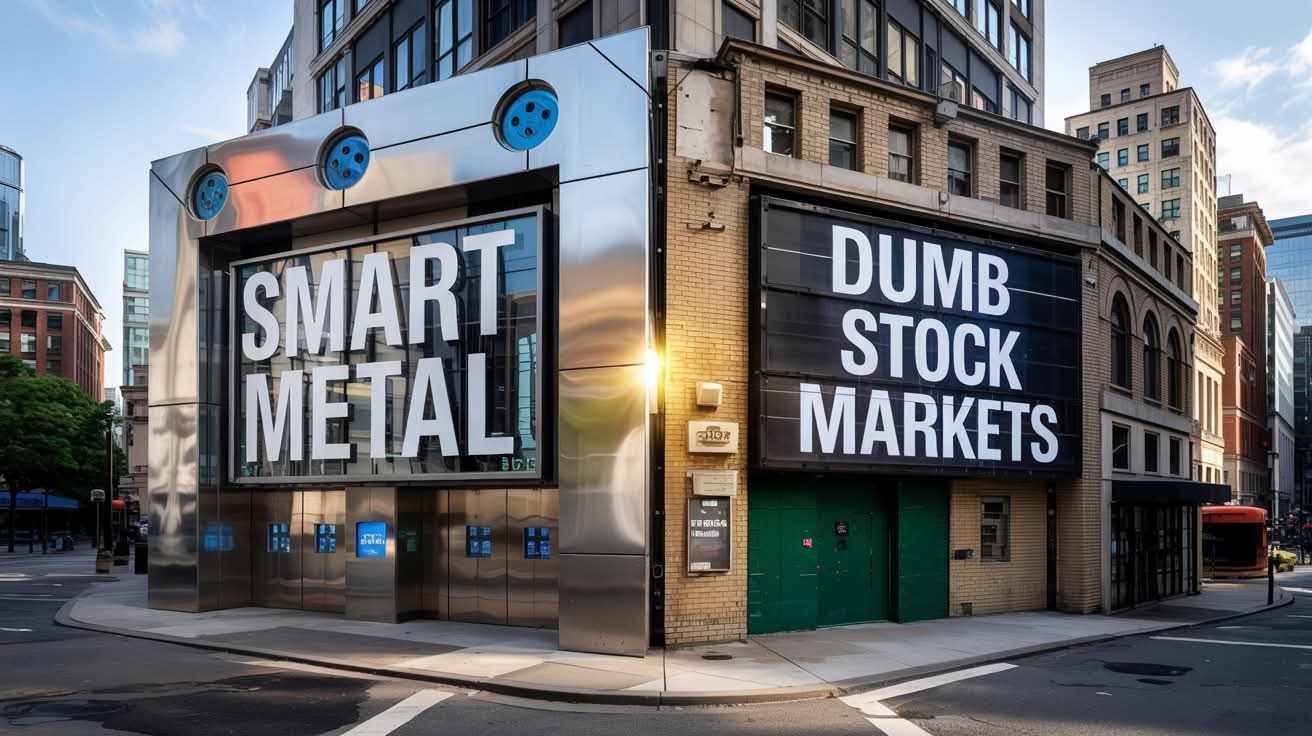
Cameron: Smart,
TK: but it could, uh,
Cameron: smart middle.
TK: Yeah. Smart metal. That’s right. Tea, TT 1000
Cameron: are on our buy list. Yeah, they are on our buy list. But, uh, you don’t think they’re quite a buy
TK: No, I think, well the bread later has them below there, buy
Cameron: liner,
TK: and, uh, steel I think is a bit of a watch to space too. It’s a falling knife, even though it’s
Cameron: Yeah,
TK: byline or by [00:42:00] price.
Cameron: right. I’m just bringing them up in, uh, my bread later. See how close they are? oh yeah. Hmm. Okay. Well thank you for that, tk. I still haven’t decided if I’m gonna sell ’em or hold, but what did you say? Wait and see where the steel price is. Okay.
TK: wait for a week.
Cameron: Well, that’s it. Little bit of after hours, then we can go talk about the American market. Uh, what have you got? What’s on your what, what have you done this week? That was fun.
TK: Uh, had a really good dinner on the weekend. Um, I. I can’t remember the name of the restaurant, so I can’t give him a plug. I think it’s called Bun Goer. Anyway, um, it was a birthday present from Jen, but the restaurant was fully booked out, um, for a long time into the future. And Jenny got on the wait list for Saturday nights.
So we went around, it’s, it’s literally around the corner from us. It’s on the farm at Cape Schanck on the way out, down to the lighthouse. Uh, and it’s, um, it’s making a name for itself [00:43:00] by basically setting a menu every day based on what they take from their farm that day. So we had a deger station, fixed edu, deger station, was really nice.
So it was a, yeah, great, uh, great night out.
Cameron: What was the highlight of the digger station? I.
TK: Uh, good question. Um, I. They, I think the ossobuco would be my highlight. Be different to
Cameron: Mm
TK: um, she’s not really a meat
Cameron: hmm.
TK: but, um, had, uh, really nice, um, pastry at the start with local vegetables in it, which was good too. I,
Cameron: Hmm. What is your diet like at the moment? You working on anything in particular?
TK: no,
Cameron: I,
TK: it’s working for me. We call Jenny and I call it Cape Schanck Heating. So, uh, that was probably the first time we’d been out for a long time. Um, unless it was to like a family dinner with Alex or my [00:44:00] family or whatever, or her sister, Jenny’s sister’s family. Um, so we have switched from living in King’s Cross where we ate at almost every night to cooking a lot at home, which is,
Cameron: mm-hmm.
TK: basically, you know, basic meals, meat, and three veg.
But it’s, yeah, it’s pretty
Cameron: Mm-hmm.
TK: It’s good.
Cameron: Hmm. You’re trying to eat healthily.
TK: Yeah. But sort of, you know, basic health, you’re not following any particular diet things. How about sugar? Which has, which has, um, helped
Cameron: How long you, are you still off the bus?
TK: Yeah.
Cameron: How long have you been off it now?
TK: Two and a half years. I,
Cameron: Wow. Wow,
TK: yeah.
Cameron: wow. Look at you.
TK: Yeah,
Cameron: Chrissy, just, Chrissy just had her 13th sobriety anniversary about some 12. 12 15th of April 12th, or 15th of April, I can’t remember. But yeah, 13 years since she’s touched a drop, she’s [00:45:00] now been sober for longer than she drank, which is crazy. Um, yeah. But, uh, yeah, it’s good. I’m proud of her.
TK: Yeah. No, that’s great.
Cameron: Uh, what else?
TK: what I, found was when I got off the booze, I still had sugar cravings. So I’d
Cameron: Mm-hmm.
TK: you know, dessert and B and stuff. So I’ve, in the last sort of three to six months, I’ve been whining that back and now it’s pretty much eliminated, which has been a big help.
Cameron: So how have you done that? What’s, how do you wean yourself off The sugar?
TK: You just have to go cold Turkey, like you do with the booze, really.
Cameron: You haven’t replaced it. Yeah. You, you’re doing stevia or anything like that?
TK: Oh look, I drink, um, sure it’s in, you know, no sugar soft drinks and stuff that I drink. Um,
Cameron: Mm-hmm.
TK: how healthy that is either ’cause you’re drinking chemicals, but, um, I, it’s too hardcore for me just to go green tea and [00:46:00] water, so I’ve gotta have
Cameron: Mm-hmm.
TK: Um, I do try and just do a flavored mineral water, um, which isn’t too bad.
Yeah. But occasionally I’ll have a zero sugar lemonade or something.
Cameron: Stevie is supposedly okay, but you know, some of the other artificial sweeteners they reckon are not good for you.
TK: Yeah, right. Um,
Cameron: Very good.
TK: we, um, continue to watch Lamb, which is fantastic. Um,
Cameron: mm-hmm.
TK: Richie thing Tom Hardy, who’s great and Pierce Brosnan and, uh, forgetting the lady’s name, actress in it. Anyway, she’s really good. Um. we started watching Landman, which wasn’t too bad, although it’s kind of to about episode six now.
It’s getting a bit too soap opera push for me. But certainly the start was really good, which is the Tyler
Cameron: What’s that?
TK: Tyler Sheridan, uh, series set in the Texan oil patch. So it’s about, um, independent drillers [00:47:00] and the problems they face. And, um, Billy Bob Thornton is the, is the guy, and John Hams in it, de Moore’s in it, which is a really strange sort of inclusion because it’s almost like she, they, she’s lending her name to it.
They, every time she appears, they kind of briefly photograph her and then switch away. So I’m not sure what’s going on there. But, um, Billy Bob Thornton’s fantastic. You know, really, really good. Just playing a no nonsense operations guy dealing with cartels and. Wildcatters and, you know, e explosions and, uh, all sorts of things.
It’s great, but it’s, it, like, then his ex-wife’s come on the scene. It’s gotten a bit too sort of for me, but I’m hoping it’ll pick up again. I
Cameron: Sheridan, is he the guy behind Yellowstone that,
TK: is,
Cameron: those sorts of shows? Mm-hmm.
TK: Which I don’t, didn’t like, but, um, this one’s good. Um, [00:48:00] but he’s also behind hell or high water, which is a great movie, which is how I first came across him. You ever seen that?
Cameron: Was that? No. Was that um, Bobby Devale.
TK: No. It’s the dude. It’s um, Jeff Bridges and, uh,
Cameron: Oh right.
TK: Pine, captain Kirk.
Cameron: The dude. No, I never saw that. Yeah.
TK: good. Really enjoyed it.
Cameron: Good.
TK: Hmm.
Cameron: Well, I watched, I’ve had a great week of watching stuff. Um, I’m not sure if I talked to you about this, but I watched Unforgiven a week or two ago. Um, took me a while to get through it, but just hadn’t seen it since it first came out, I guess in the early nineties or whatever.
Just loved it. Such a great, great film on every level. Then I watched Face Off for the first time in
TK: okay.
Cameron: decades. Absolutely loved it. Completely bonkers, but [00:49:00] absolutely tr fun. Just fun like crazy fun. Cage and Travolta. Just, I think it’s the last good movie Travolta made. I mean, it was, his performance in it was great. And, uh, then last night I watched the French Connection for the first time in
TK: it?
Cameron: decades too. So good.
TK: Yeah.
Cameron: So good such a strange film. Like it’s, nothing happens in most of the film. It’s just Roy Schneider and Hackman staking out guys
TK: Yeah.
Cameron: with nothing going on until the big train car chase and the big shootout at the end.
But then, this is really just nothing on, like, it’s such a mid or early seventies film, right, where you could get away with that kind of a thing. It’s just hours of tension building and nothing else happening. Terrific. [00:50:00] Howman won an Academy Award for that, I think, and, and it’s great. I mean, his performance is.
TK: It was a
Cameron: Just great, just
TK: from memory was a character. No.
Cameron: Popeye Doyle. Yeah. And it’s based on a true story. I read up on the last night, um, a couple of New York cops that busted a French heroin smuggling ring that was bringing, using an actor to bring it in. Yeah. Marse and with Corkin connections and the whole thing. But yeah. Um, the, the guy in the movie who plays Hackman’s Superior Eddie Egan, who was the actual cop that Popeye Doyle was based on.
He, after the movie came out, he. Retired as a cop and became a full-time actor. One of those guys that just had the right face and the right gruffness and I guess just probably played cops for the rest of his career. [00:51:00] Um, the wire was full of guys like that. The wire was full of real cops and real drug dealers playing different roles.
But, you know, anyway, it’s been great catching up on some of those old films again, rewatching them.
TK: I watched an old film last week, uh, called The Book of Eli. Have you seen that?
Cameron: Uh, no, I heard of it.
TK: Denzel
Cameron: seen it,
TK: Um,
Cameron: right?
TK: two thousands I think. had to watch it and finally got around to watching it for Gary Oldman, where he plays one of the,
Cameron: Oh, right,
TK: you know, deranged, deranged, bad guy leader, gang
Cameron: yeah,
TK: uh, in
Cameron: yeah, yeah,
TK: America. It’s great.
Cameron: yeah. Yeah.
TK: Yeah,
Cameron: Yeah.
TK: Like the story’s
Cameron: can’t believe I haven’t seen that.
TK: post, post-apocalyptic first 10 minutes or 15 minutes of standard sort of, you know. Denzel
Cameron: on the Wastelands.
TK: Max Leah life on the [00:52:00] Wastelands. Yeah. um, but then he arrives in a town where is the, um, the sort of unappointed mayor. Um, and it just
Cameron: Right.
TK: like the whole thing explodes.
It’s just great.
Cameron: Alban was so good in those roles back in his day.
TK: yeah. So good.
Cameron: Do you, um, do you, you know who Roberto Rodriguez is? Robert Rodriguez, the
TK: Mm-hmm.
Cameron: Yeah. He just did like a three hour interview on Lex Friedman’s. Podcast. And I’ve watched the first maybe hour of it, and it’s great. Like he’s talking about his career as a low budget filmmaker and the guy who does everything, he writes, directs, edits, does the music, does the production design. bit I thought I didn’t know, I mean, I followed this guy since El Mariachi came out in the early nineties. Like I’ve been a fan of his for decades. But, um, said, you know, the, you know, the sort of the, the Hollywood trope [00:53:00] now of the, the, the hero sort of walking slowly towards the Cameron slow motion while everything behind them explodes and
TK: yeah, yeah.
Cameron: the, the hero doesn’t turn around, just walks.
TK: Yep.
Cameron: He said, so he said he invented that. And it was in,
TK: that’s a big
Cameron: it was in, well, yeah, maybe, but it was in, he claims it was in Desperado,
TK: Mm-hmm.
Cameron: remake of El Mariachi that he did with Antonio Banderas and Sal Maha. And the story was, they were, the heroes were on a rooftop and there was guys trying to get at them down on the ground floor. And I think, uh, Banderas threw a grenade down and blew them up. But when they originally did the explosion, it didn’t go high enough to see it over the rooftop. So they had a couple of cracks in it and his effects guy couldn’t get it to be big enough. So eventually the effects guy said, look, [00:54:00] I can just put a whole bunch of kerosene there.
It’ll drums and just blow the whole thing up. It’ll go high, but it’ll be really quick. It’ll just flare up and you won’t. anything. And he said, that’s fine, I’ll just slow the camera right down. So it’s slow motion. he told Bandera and Sal Mabb Hayek just to, he said, look, there’s gonna be this huge explosion behind you.
Don’t turn around, don’t look. Just keep walking. Whatever happens, look at the camera and slowed it down. And then they have the big shot. he said that was the first time it had ever been done. And he said, then it was like every film after that had the, including from Duster Dawn, his own film, the Big Explosion with the heroes, just talking to each other, nonchalantly, Quentin Tarantino style as they away from it.
So I haven’t fact checked that, but I’m sure he is probably telling the truth.
TK: Now it
Cameron: That’s pretty cool.
TK: sub point where they, at the end, everything blows up as the, as the, uh, characters. I think they might [00:55:00] drive away in that rather than walk away.
Cameron: Right. Uh, what else? Doctor, new season of Dr. Who been watching that with Fox.
TK: any good? I sort of gave up on that. Yeah.
Cameron: Yeah. No, not really. Not really silly. Doesn’t make any sense.
TK: Yeah, right.
Cameron: It’s kind of not really grabbing me. Fox doesn’t mind it, but even he gets bored, he’ll watch half an episode and we’ll be halfway through and they’ll go, ah, I wanna go do something else now. So,
TK: We started
Cameron: uh,
TK: three episodes of and, or which were released during the week. Don’t bother.
Cameron: yeah, nah, given up on Star Wars. I, I can’t Star Wars anymore. They’ve ruined, they’ve
TK: Mm
Cameron: ruined the whole franchise for me. It’s, I can’t do it.
TK: of reminds me of Star Trek. You know, like in the later seasons it just devolves into to the fan boys who wanna see the arcane, you [00:56:00] know, the wedding feast on this planet with the cling on and what they do and the It’s just like endless exposition and there’s nothing happening.
Yeah,
Cameron: We also did watch the SNL 50th Anniversary Special Gala thing that they did. It was really good, surprisingly good.
TK: I loved it
Cameron: Uh. Will Ferrell and Eddie Murphy in the Scared Straight Sketch Will Ferrell with his shorts on and his sort of red wig and um, uh, just lots of, lots of great cameos. Adam Sandler’s little song that he did and yeah, Andy Sandberg’s anxiety song.
I mean, it was just really well done. I was surprised. I thought it, I expected it to be kinda lame and I thought the lamest bit was Steve Martin’s monologue at the beginning just fell really flat to me. But after that it, it was, uh, a really, [00:57:00] really well done. Mm.
TK: Especially the high, the highlight for me was, um, Tina Faye and Amy Poller talking to the celebrities in the, in the crowd who they had to fit into the show somehow.
Cameron: Yeah, yeah,
TK: Yeah.
Cameron: yeah. It was there 10 seconds they got to do something in the show. Yeah.
TK: It was good.
Cameron: Um, are you a Jim Steinman fan? I.
TK: Not really,
Cameron: So sad. Okay. I, I’m a huge Jim Steinman fan, and I discovered a band, I discovered a band, an album that he made an all girl band in the eighties that I’d never heard of before, called Pandora’s Box. It was like a meatloaf album when he couldn’t get meatloaf. So he had this all girl band and they did like this, you know, sort of Tyler or Meatloaf, massive Jim Stoneman thing that’s just bonkers over the top Stoneman stuff. [00:58:00] it was like, like, he’s been dead for a couple of years now. And it was like a, it was like a gift from the grave for me to discover this entire album of bonkers Jim Steinman stuff from the eighties that I’d never heard of before. Can’t believe I’ve been on the internet since 1993, and it hadn’t put this in front of me before.
Now it’s like, what the hell is going on? I pointed out to my boys the other day that I was the age they are now. When I first got on the internet, probably give or take a year, my first pc sort of 1995. I think I bought my first pc, got on the net, probably 93, 94. But, um, in internet cafes, just to put it in perspective for them, that’s, you know, I’m the age you were now when I first got the internet, like it’s
TK: Yep, it is. I still remember getting my first edition of Wide Magazine around that time as
Cameron: Oh, I
TK: That was a, that
Cameron: don’t remember my first [00:59:00] wired, but oh, wired in the day was fantastic. Uh, the last thing is I’ve been reading a book called Socialist Economic Development in the 21st century, a century after the Bolshevik Revolution by El Alberto Gabriele and Elias Jaba. Really good man, you know. I’m calling it now. The Communists won.
TK: Are there really any communists in the world care
Cameron: Yeah, they are. Uh, and uh, they won 30, 35 years after the end of the Cold War the capitalists were all celebrating and dancing on the graves of communism. The US is crumbling and China’s just going from strength to strength. The communists won. It just took a little bit longer than they thought, but they got there in the end.
TK: So you, are calling China a communist country, eh?
Cameron: No, I’m calling it a socialist country, uh, heading towards communism.
TK: All right.
Cameron: Communism is a, is an [01:00:00] end point. It’s not where they are. are socialism with, uh, state market, um, capitalism, um, socialist socialism with Chinese characteristics. Well, Australia’s capitalist with a little bit of socialism thrown in to stop the, stop the working classes from grabbing a pitchfork and a torch and down in the north Sydney. Um, China’s a, a socialist country that allowed elements of tightly controlled capitalism into it to bring capital and and into the country back in the late seventies.
TK: like B Alloy
Cameron: We’ll see how, yes, we’ll see how it plays out, how, where they end up. But no, this book is, this book is, is a very, very academic, dense, dense academic tone.
These two guys are [01:01:00] economists, uh, with a specialty in socialist. Um, economics and you know, they, you know, well aware that a lot of people in the west to say that China’s not really communist or socialist anymore. And so they go into a lot of detail in the first few chapters saying, well, how do you tell what, what are the elements that you would look for determine?
They basically say socialism and capitalism are both sort of a spectrum, so what are the different elements that you would look for and how would you rate them and how would you measure them and judge them and all that kind of stuff. But yeah, it’s interesting. Any who that is, uh, all we have for this week, just over an hour.
There you go. We had nothing to talk about. We did an hour. Look at that.
TK: Oh, I had
Cameron: Let’s go. Have we now? We have, yeah. Yeah. Now we have nothing to talk about for the US show. Let’s see how far we get with that.
TK: All right.
Cameron: Thank you tk.
TK: Thanks
Cameron: a good week everyone.
TK: Yeah. Happy ASX.
[01:02:00] [01:03:00]