

Transcription
QAV 811 Club Audio
Cameron: [00:00:00] Welcome back to QAV Tony, episode eight, 11, one off nine 11, uh, which is kind of what the market’s been like. It’s been a bit of a nine 11, uh, the market in the last week, but recovered last day or two, for some reason, I don’t fully understand.
Market’s gone. Ah, it’s all okay now. Sure, sure it’s gone away. I know something about interest rate cuts in the U. S. No tariff relief, but, uh, anyway. How’ve you been? How’s your week been, Tony?
TK: Yeah, really good. And the market’s up today, which is good. But who knows why? You see, I’ve seen
Cameron: Yeah. Yeah. Ha ha ha ha ha ha ha ha ha!
TK: so sure about that. And if they didn’t
Cameron: Ohhhhhh.
TK: things, that’s not going to stop.[00:01:00]
Cameron: It’s all different. It’s all better this week. It’s all Of
TK: last, uh, on the weekend saying that Trump, uh, declared himself the winner of his annual tournament at his golf club, which I thought was hilarious.
Cameron: course he did. Well, let’s start off with the portfolio update, because I did my newsletter this morning. Dummy portfolio was up 3 percent in the last week versus the benchmark, which was down 0. 18%. We’re still 12 percent per annum up for the Financial year versus 5 percent for the benchmark. So vis a vis the benchmark, we’re doing quite well this year so far.
Um, but it’s particularly grown like in the last, with this recent downturn, you know, I think I even said on the show last week, or maybe it was on the US show that we did, that when downturns happen, we’re not immune from them. But this latest downturn, we did [00:02:00] drop a bit, but we’ve recovered. Uh, far better for some reason might be some of the stocks that we’ve had that have had good weeks I don’t know
TK: Well,
Cameron: the u.
- Portfolio also recovered this week. It’s up 38 For the financial year versus wait for it the s& p 500 up 3. 6 Percent for the financial year, so we’re doing 10, 10, we’re doing 10 times better than the S& P 500 over there with no mag 7 stocks,
TK: Yeah.
Cameron: did have to sell a stock this week and replaced it this morning.
I did a new U. S. buy list for those people that have been asking me to do a U. S. buy list. There is one up on our website. Well, yesterday by the time you hear this, but on Tuesday our time. Um, weird little company I bought too, but I won’t bore people with it. We’ll save it for the next US show. Anyway, 10 times the S& P 500 this financial year.
It’s just bonkers. Absolutely [00:03:00] bonkers. But, uh, there’s been some winners and losers this week, which we can get into. What do you want to start off with, Tony, in your list of talking points?
TK: well, I think one of the winners slash losers, probably more of a loser this week has been Ramelius Resources. And I know that’s
Cameron: Hmm.
TK: from one of our listeners, so I may as well cover it all off now. Um, I’m scratching my head at this one. Uh,
Cameron: Hmm.
TK: when I did my results roundup on Ramelius, I thought it was a good result and I’ll read from Stock Doctor’s Uh, okay, so this is from the 5th of March, Stock Doctor said that they’re initiating coverage of the gold producer, Ramelius Resources, as a star growth stock following analysis of its half year result and operational risks. we did the pulled pork on Ramelius about 12 months ago. Here’s the piece. can go and listen to that.
Um, I was [00:04:00] thinking about doing it again, but I’ll cover off most of the recent issues, um, today anyway. Uh, their big operation is, uh, in WA, uh, Mount Magnet and Edna May are two of their mines, among others. Uh, they’re also, they’ve also been on the acquisition trail over the year in Stock Doctor Report.
They bought Spectrum Metals and Apollo Consolidated in recent years. Uh, their performance was Good for the first half of 25 revenue surging 46 percent driven by higher production and rising gold prices net profit after tax or 313 percent 170 million reflecting a robust 61 percent cash operating margin. The company achieved an average gold sale price of 3, 541 per ounce, that’s Australian dollars, well above its all in sustaining cost, AISC, of
Cameron: Uh, [00:05:00] Um, Uh, Um, Uh, Uh,
TK: of the strong gold prices. It also holds a strategic investment in Spartan resources, a growing gold explorer. So tick, tick, tick, tick, tick. The only question I had about the results was 16. 99. For, uh, it’s costs, AISC costs is getting up towards the high end of the range. But when the gold prices are more than, we’re just about double that, it’s, it’s still a healthy margin. So roll forward, um, a week and Ramelius came out with its plan or its long term plan for its flagship Mount Magnet mine. Stock Doctor again, put out an update because, um. That, uh, that, uh, Remilia’s, uh, announcement was, uh, was not good. [00:06:00] Uh, Remilia’s largest, latest plan for its flagship Mount Magnet mine was weaker than expected with annual gold production now projected at 140, 000 ounces, significantly lower than the previous estimates of 173, 000 to 182, 000 ounces. However, the mine’s lifespan hasn’t been extended by 10 The company is investing heavily in expansion, with total capital costs nearly doubling to 823 million, well above market expectations. a 95 million mill expansion will increase processing capacity, but long term throughput is expected to decline due to harder oil. full capacity would require further costly upgrades. To manage financial risks, Remelius has put Price protection measures in place, securing a hedge for 22, 500 ounces of gold in 2027. This helps offset the impact of rising costs and lower early stage production. anticipate negative earnings revisions to flow through [00:07:00]following this update and place the stock under review as we assess changes to its outlook. So that’s a week after the results announcements come out. It’s possible they took the following week to finalize their numbers on their long term plan for Mount Magnet. It’s also possible they knew well what was going to happen and could have announced the Mount Magnet review at the same time as their annual results.
But anyway, a week after Stock Doctor praised them and made them a star income, sorry, a star growth stock, they put them under review. The share price tanked, I think, at the time of the announcement, it was around 2. 70. It dropped back to around 2. 20. uh, then yesterday we get the news that, um, Ramelius is, uh, has made an offer to acquire Spartan Resources, the company he owns 19 percent of now. So that summary is Ramelius Resources plans to acquire [00:08:00] Spartan Resources in a 2. 4 billion deal to create a larger, more attractive gold producer. Spartan shareholders will receive 0. 2 1. 25 in cash and 0. 6957 Ramelius shares per Spartan share, valuing Spartan at 1. 78 per share and 11 percent premium. The merger comes as gold prices hit record highs above 3, 000 per ounce. The combined company will be worth 3, 000. 4. 2 billion, targeting half a million ounces of annual, sorry, half a million ounces of annual gold production by FY2030. Spartan, hang on to say Spartan’s board supports the deal. Ramelius aims to boost Mount Magnet’s output and margins by acquiring Spartan’s high grade Dalgoranga gold project while also achieving cost savings by eliminating duplicate expenses.
So in other words, the timeline is release good results, their price goes up. Release bad forecast for Mount Magnet mine production. Share price goes [00:09:00] down. plans to acquire Spartan resources to replace Mount Magnet loss production. has gone down two cents. Um, probably because of the, uh, cost that, uh, will incur in doing the acquisition.
But
Cameron: Actually,
TK: three
Cameron: can I just,
TK: a fair bit
Cameron: can I,
TK: planning and they should have all been announced fairly close to each other, closer than within three weeks of each other.
Cameron: by just looking at, I’ve got the chart open. It was actually at 2. 80 on the 10th of March. It dropped down to 2. 09. On the, uh, 12th of March. Uh, so that’s a big drop. It’s actually up to 2. 20 today. So it’s, uh, recovered a bit since then. But that was a massive drop.
TK: Yeah, so this is either a lot of moving parts happening all at once and the [00:10:00] board couldn’t get itself organized to do anything quicker than what it did, or it’s a, it’s a breach of disclosure, continuous disclosure rules. And it would be a hard one to prove given that everything’s happened within a couple of weeks.
The board would say that needed the time to prepare to announce things properly, but it just. It just seems hand fisted at best, and a problem with disclosure at worst. I’ve been thinking, you know, that I’m more inclined these days to say we can’t rely on ASIC or the ASX to enforce continuous disclosures.
So maybe we need to start red flagging these companies that aren’t giving us good disclosure and just refuse to deal with them. And so, uh, it’s a hard one. I mean the, you know, if only we, if only we had a regulator who could tell us whether this was a breach of continuous disclosure or not, it’d make it easier.
But, um, yeah, I, I mean, we, we saw. Results that were a surprise on the downside from 4DISKU, from [00:11:00] Bendigo Bank, from, Ramelius’s results were good, but then their for Mount Magnet was bad, and then they patched that with the announcement of the acquisition of Spartan. So, yeah, it’s a hard one. I’m thinking about slapping a red flag on this company to improve its disclosure. Or until they improve their disclosure.
Cameron: Well, a couple of things on that. Number one, I had a chat with chairman Mab this week and I know you have been chatting with him as well about this chairman of the Australian shareholders association for new listeners. Um, he’s coming on the show next week to talk about this. He’s been doing his investigations as.
Part of his role at the ASA is going to come in and share what they’ve discovered, what their conclusion is. Secondly, I want to just, uh, disclose that I own two parcels of RMS in my super fund, uh, and a couple in the light portfolios as well. One of the, one parcel of my super fund I bought back in March of 23, I’ve held it for.
Two [00:12:00] years. It’s up 97%, but the second parcel I bought February 25 and it’s down 12%. The light parcels are down 9 percent and 17 percent respectively. Um, so, and the third question, if you’re talking about red flagging this, would that be a red flag, don’t buy it or a red flag, sell it. What kind of level red flag?
Are we talking
TK: Ha
Cameron: red, red flag? Do we have a double, double red flag status? Because we, sudden CEO or CFO resignation is a immediate sell
TK: Mmm
Cameron: red flag. A qualified audit is a don’t buy red flag. Um, is qualified audit a sell red flag? I don’t know if we’ve ever had that. It
TK: Yeah, we had, yeah, it was a cell. I think Apollo Tourism and
Cameron: is a cell.
TK: a, a qualified audit [00:13:00] when it was in one of our portfolios.
Cameron: That was a long time ago. Uh, as long term listeners will know,
TK: Ha
Cameron: my nemesis, Apollo Tourism. Uh, so yeah, what do you think about non disclosure?
TK: it’s a good question, isn’t it, um, It’d be a red flag don’t buy for me, I think, rather than a sell, um, because the sentiment’s still holding up. And look, I’m not even sure about red flagging Remelius, because like I said, these things have happened sequentially, and the board could perhaps argue that, you know, you can’t just do everything at once, it would, um, there was a bit of planning and preparation required to get the information out
Cameron: the acquisition of Spartan, the acquisition of Spartan I can buy, but, you know, the performance of the Mount Magnet mine, surely, they knew that when the results came out. They should have known that. That’s part of,
TK: Yep.
Cameron: Preparing your results, right? As if you’re a mining company is [00:14:00] getting your mind managers to tell you what they think the outlook is for the next year, two years, five years.
And you, that’s the whole point of a report is to report on how your business is going, where you can’t put out a report and say, well, we couldn’t report on how the business is going when we put out a report cause we couldn’t get our ducks lined up in time. Like that’s your job. You have one job.
TK: hmm.
Cameron: Report on how your business is going.
TK: I’m not gonna disagree with you. Um, I also, I’m kind of reluctant to put a red flag on Ramelius. As you said, it’s been on the buy list for a long time. Um, on and off anyway. Um, I’ve owned them in the past. I’ve been happy to own them in the past. They’ve done well for me in the past. the gold price is flying. Um, I can’t see much that’s going to bring the gold price down given vacillations that are going on in the U. S. and the, the heightened volatility in the stock market. So, [00:15:00] yeah, I think you’re right. I think it’s not a red flag don’t buy. It’s a, but it’s probably a, sorry, a red flag don’t, it’s not a red flag sell, but I think it’s a red flag don’t buy. So,
Cameron: uh, we’re going to add a column to the checklist now.
TK: I don’t know, I haven’t really thought through this at all. I just got pretty upset with the announcement yesterday. It almost, to me it smacked like they were, they were patching up their mistakes from last week when they announced the Mount Magnet mine wasn’t going to do as well as first thought was going to cost more. So they’ve gone, uh, what can we do about that? Oh, we own 19 percent of the next, next door mine. Let’s launch a takeover to the gap. Um,
Cameron: So is it continuous disclosure red? Is it, is it continuous disclosure red flag different to a confession season failure flag, or are they the same flag
TK: I don’t know. Why don’t we just
Cameron: in theory?
TK: it for another week or something, but, um, they’re all good
Cameron: Well, I’ve got a question later on [00:16:00] about the last time you said you needed to think about it, which was, do we really need the original byline if we have the second byline? I think it was like 18 months ago, the last time you said, I just need to think about it a bit. So, we’ll get to that later on.
TK: Oh, are we?
Cameron: I’m not so sure about this.
I need to think about it a bit thing.
TK: Well, you’re asking good questions and I don’t have an answer for them, so all I can do is think about it. All I’ve got in my notes is I’m
Cameron: Okay,
TK: a red flag out there for continuous disclosure.
Cameron: yeah, I think it’s like, I think we’ve been, you know, we’ve seen a number, it’s too many of these things recently. This is really a disturbing trend in all of my years of investing experience. Tony, five of them, whatever it is,
I have, uh, I’m shocked that there is gambling going on in this establishment. It just seems, I, I, [00:17:00] I, there’s something in the water.
TK: yeah,
Cameron: some word has gone around. Ah, we, it’s, yeah, we don’t need to do that anymore.
TK: I think you’re right. I think because that, you know, in my 25 years plus of investing, I don’t think I’ve ever heard of anyone pinged for breaching continuous disclosure. There’s certainly been some, uh, class actions which have uncovered it. And that’s, that’s a disgrace. It goes on with our share market.
It’s a regulated market, but it takes actions by lawyers to point out of continuous disclosure. Not that there’s been a whole heap of those, but there’s certainly been some. Um, but not a lot. And I think you’re right. Directors are just saying whether they’re overworked, whether there’s too much red tape, they’re just going, uh, continuous disclosure, forget about it.
No one’s ever been pinged. And they’re not doing it.
Cameron: Mm, mm, mm. Or, you know, they get a slap on the wrist or a tsk tsk and a finger waved at them and,
TK: [00:18:00] And I’m
Cameron: you know.
TK: not sure that if we put a red flag on a company for a breach of continuous disclosure that that solves the problem because they’re the company that’s probably learnt their lesson and it’s going to be somebody else who does it next time. So, um, that’s why I think I’ve
Cameron: How have they learnt their lesson?
TK: Oh, well, the share price has tanked after they surprised the market. I mean, that’s, that’s one thing that will ingrained in the memory of boards is, hey, CEO, last time you did this, price dropped from 2. 80 to 2. Don’t do it again.
Cameron: So, which makes me ask the question, why not disclose during confession season, whatever it is. I mean, if you don’t disclose because you’re worried the share price is going to take a hit, then you finally come out with it and the share price takes a hit.
TK: It’s
Cameron: It’s not like you’re the government.
Releasing bad economic figures at five o’clock on a Friday and you hope you’re going to get through the weekend media cycle and everyone Will have forgotten about it. You hope Donald Trump does something over the weekend to take everyone’s [00:19:00] mind off it on by Monday I mean the the if you’re a decent sized company Analysts are going to see this, the market’s going to react to it.
You’re not going to get away with it unless you’re a very small company that doesn’t have a lot of coverage. So, uh, I don’t understand what the thinking of the incentive behind not disclosing would be. I can’t make the algorithm work here, but
TK: I think it’s, it’s at best some kind of bad gamesmanship. If we put out good results first, then we announce bad news, then we announce an acquisition to replace the bad news. Maybe they think they’ll get away with it. Would be, would be one, one
Cameron: that’s this particular instance I’m talking about,
TK: that’s the case in this case.
Cameron: but I’m talking about all of the companies we saw
TK: well they’re
Cameron: sort of just skip confession season.
TK: They’re scared. Either they think they’re going to get
Cameron: Of what?
TK: scared that when they
Cameron: How did,
TK: the bad [00:20:00] results, they’re going to take a hit. But it’s, it’s like, it’s like Buffett says, you know, all he wants from his managers are if you have good news, write me a letter.
If you have bad news, pick up the phone. got to get in front of bad news. Just get it out there, you know, um, confess as Buffett does in his first line of every Annual report. I stuffed up this year, and here’s how. Just get it out there.
Cameron: yeah,
TK: It’s because
Cameron: yeah, you gotta love that.
TK: sales people. They don’t, they don’t want to announce bad news.
Cameron: But again, as you said, like it comes out eventually,
TK: Yep.
Cameron: you know, the, the share price takes a hit. So I, I, I just don’t, I mean, like, I don’t know. I, I’ve, I’ve never been a CEO of a publicly listed company, so I don’t know what’s involved. But it just seems like it’s a no, there’s, there’s no upside for them that I can see apart from kicking the can down the road by a couple of weeks or a couple of months, you know.
TK: Yeah, and look, I think [00:21:00] Remilia’s kind of showed itself on the foot. No one was asking for a 10 year update on Mount Magnet Mine Expansion. Um, it’s a bit like, you don’t hold a royal commission until you know what the answer’s gonna be. It’s like, you know, why did they even announce a 10 year update to Mount Magnet if it was gonna be bad news?
Like, just Don’t, don’t finish the report, put it in the bottom drawer and bring it out when the news gets better. Or when you’ve got an update that will be thought of kindly by the market.
Cameron: So now you’re saying they shouldn’t have disclosed that
TK: They had to once they knew. All right.
Cameron: Yes.
TK: But that’s,
Cameron: Yeah. Once they knew
TK: idiotic. Like, like, they spent all that time putting it together, which means they have to disclose
Cameron: Yeah,
TK: At some stage during the
Cameron: yeah,
TK: would have said halfway through, uh, check this spreadsheet. Not looking good, boss. And the boss should have
Cameron: yeah.
TK: go and do some more numbers and I’ll think
Cameron: Sort of gone. La, la, la, la, la, la, la, la, la, la, la, la, la, la.
TK: Let
Cameron: Yeah, I’m thinking about it. Yeah. . [00:22:00] Yeah. All right. Moving right along. What else you got?
TK: Okay. Well, I had a come across a story which, um, again, I’m thinking about, is amusing. Oh, I am musing about this. And this was in the Fin Review. Uh, it was titled Small Caps Trampled in the Rush to ETS. it was an article which was slanted towards saying that there were a lot of companies outside the ASX 300, which were being starved of capital. So, um, the kind of, as a whole. background part to the article which talks about how companies in Australia tend to list earlier than companies overseas because there’s not as much depth of private equity funding in the early stages in Australia and so they list. Listing is expensive and it comes with all the red tape of listing. Traditionally, that has been the road to raising money as they need it to grow. But now, uh, it’s, [00:23:00] that’s not happening as, as much or as well because, um, and I’ll, I’ll quote from the article, uh, where are we now? I’ll look back in 2022 or 2023. government mandated, let me just try and find it. Um, here we are, Big Super started to pull, put small and micro caps stocks in the dumpster in 2022 when the federal government’s Your Future Your Super legislation made the S& P ASX 300 the benchmark for MySuper’s Australian equity market returns. The government was warned at the time that the MySuper benchmarks could encourage short term decision making, discourage investments that were not well represented by the benchmarks and reduce choice diversification. active management, and innovation. That’s precisely what has happened. super embraced index hugging to avoid being, avoid being pinged by the regulator for poor, for poor, poor performance of their my super products. This profound structural [00:24:00] change contributed to the closure of many small and micro cap funds,
Cameron: Um,
TK: the A SX 300, and as we know, um, fund managers tend to find it hard to beat the index, and so they tend to, to cling to the index and only make some slight movements away from it so that if they get it wrong, they fall a little bit behind.
And if they get it right, they fall a little bit above and they. can boast about their outperformance. what it has mean though, is that a lot of passive money has gone into the ASX 300 in the last three years that wasn’t there before. And that’s what’s got me thinking. Rather than, yes I understand that the small caps are being starved of capital raisings because funds are being forced to, um, to not invest in that area. But it also means that [00:25:00] there’s less passive funds going into that area, which might give us an advantage. And one of the things I was thinking about was that, you know, when we see Commonwealth Bank trading as the richest bank in the world, on the back of index fund money going into the ASX 300 or, um, or even higher up the Um, I’m wondering whether we shouldn’t be focusing on outside of the ASX 300.
And it’s certainly been, uh, because I’m now having to buy large caps, I think I’m not getting the performance that dummy portfolio is. Since 2022, I think you’ve said something similar about your self managed super fund or your super fund to invest in ASX 300 stocks. And I’m wondering if that’s the reason um, they’re, they’re being hammered by passive investing, which is forcing up the valuations. on those stocks and that if we I’ve always liked to invest where fund managers are looking [00:26:00] and I’m wondering whether that means we focus on the out the smaller caps now there’s 1700 of them the cutoff seems to be around eight billion dollars market cap so we’ve still got plenty of to uh to operate in yeah, look, I think more thought required. I had a look at Wilson Asset Management’s portfolio, so WAN, which has been around for a long time and had decent results. Most of their shares are small caps, if not a lot of them. Their largest market cap seems to be 9 billion. For portfolios like mine, it might mean a larger portfolio of smaller ADT stocks, but it’s something I’ve got to look at, I think, and something which I need to think about further now that I’ve understood what’s
Cameron: Which would mean,
TK: 300.
Cameron: which would mean you’d have to have a larger portfolio, right? So as not to get into ADT exit troubles. Um, My, my only point on that is that the light portfolios haven’t [00:27:00] performed that much better in the last few years. And I can’t remember what the breakdown is between small and large cap, but it would be majority small cap because I don’t have the ADT, um, restrictions on that.
So, I don’t know that
TK: Look,
Cameron: small caps have, I’ve done that much better out of small caps.
TK: I had a look at the dummy portfolio, and there’s only two large caps, um, Qantas and ANZ, that I could see in the dummy portfolio. The rest are all small caps. I didn’t get a chance to compare that to the light portfolios to see, um, the ratio was in the portfolios or not.
Cameron: I did do an analysis on it like last year when I was trying to figure out why the performance for the light portfolios had been sort of mid over the last couple of years. I can’t remember the numbers. It’s probably in my notes somewhere, but the majority small caps, I think. And because we were looking at this [00:28:00] question a year or so ago, is it a large cap, small cap thing?
And I did an analysis and the small caps weren’t really doing any better. I mean, there’s a, there’s a. You know, a couple of, um, good news stories in there. But, uh, generally speaking, I don’t think they were doing that much better. So,
TK: Yeah, my experience over time
Cameron: mm,
TK: matter because we were always trying to buy the
Cameron: mm,
TK: So if it was a large index or a small index, we were still getting a good, good bargain.
Cameron: mm,
TK: But yeah, that was before this sort of rush of passive investing to the ASX 300s occurred.
Cameron: mm. Okay.
TK: I’ll do some more digging.
Cameron: What’s next? Yeah. You’ll think about it.
TK: um, continue the, don’t laugh, I think a lot.
Cameron: I know you do.
TK: Wanted to continue the results roundup and with a couple, one being Perseus. So Perseus results [00:29:00] were good. Perseus Mining Limited reported strong financial results for the half year ending 2024, December 31st, showcasing a significant increase in revenue and profit compared to the same period in the previous year. company achieved revenue of 581 million up 19 percent from the previous year, and a net profit after tax of 201. 1 million, reflecting a 22 percent increase. Gold production totaled 253, 000 odd ounces at an all in site cost of 162 per ounce, so much cheaper than Remilia’s. The company’s gold sales amounted to 245, 518 with an average sale price of 2350 per ounce, indicating a strong market performance despite rising operational costs
Cameron: [00:30:00] you
TK: won’t get the current dividend. Uh, the other one to look at, um, today was MetalsX, MLX, again, a long term in and out of the buy list over the years, um, this is a tin miner from, uh, Tasmania from memory, uh, revenue was up 42%, profit was up 602 percent from 14.
5 million to 102. 3 million, so a huge increase, in MetalsX, and I’m gonna read from the exec, The non executive chairman’s letter in the annual results, a guy called Peter Gunzberg. In the last 12 months, uh, operation has benefited from a higher than budgeted tin price and a lower than budgeted Australian dollar. These two factors combined with management’s ability to increase both production and recoveries of tin to deliver record annual tin production of 11, 000 tons, resulted in an increase in cash flow from operating activities of [00:31:00] 121%. With a significantly healthier balance sheet, your board made two consequential investment decisions during the year and announced a possible third. first decision was to implement an on market share buyback, which resulted in 20 odd million Metals X shares, representing approximately 2. 3 percent of the issued capital being repurchased and cancelled. was to acquire 29. 91 percent interest in London listed First Tin PLC, owns the Taronga Tin Project in northern New South Wales and the Secondary Tin Project in Germany. As a consequence, fellow director Mr. Brett Smith and I joined the First Tin Board. third possible investment decision concerns the Hong Kong listed GreenTech Technology International Limited. I think it’s fair to say, yeah, so that’s, um, sorry, I’ll stop it there. wanted to just add his last sentence, which I thought was, was, um, hilarious. I think it is fair to say that the stars align for Metals X during the year, and whilst it is not in management’s power to [00:32:00] align stars, I am confident they will continue their best efforts to manage those things within control. Which I thought was very playful. Obviously, he’s, uh, he’s on a bit of a high after boosting profits six times during the year.
So that was Metals
Cameron: So what’s causing, what’s causing the rise in tin prices? Is it sort of electronics industry boom or what? Do you got any idea?
TK: I don’t know. I don’t know. I think most commodities or a lot of commodities are doing okay, but I couldn’t say what was driving tin.
Cameron: Okay, well 602 percent profit increase. That’s, that’s Somebody’s having a good bonus, uh, holiday. A bonus celebration there, I bet.
TK: for any of our listeners who own shares of Metals X, which has been around for a while on the buy list.
Cameron: Oh, I gotta check that. Let me see. By the way, I had to disclose I have PRU2 in my I’ve had it since April 24, it’s up [00:33:00] 38%. Not gonna snort at that, that’s okay. MLX, we do own MLX. Uh, it’s in the light portfolios and the dummy portfolio. Um, bought all of them in the same week. June of 2023 at 27 and a half cents.
It’s now 66 cents. So up 140%. So we’ve done very well out of MLX. Thank you, MLX. Good job, MLX. It’s down 4 percent today though.
TK: Keep up the tin panning. I’m not sure how they mine tin.
Cameron: Probably with a pan. I’m sure that’s how it’s still done. Yeah. What, what else you got?
TK: Just a pulled pork on Shape Australia, but I can wait if you wanted to do questions first. to you.
Cameron: Well, um, yeah, we’ll do a question, but before that, I wanted to talk about [00:34:00] DSK.
TK: Mm hmm.
Cameron: on Monday. It sank like a stone. Um, and I, I couldn’t. Really figure out why it went ex div five cents a share fully franked, but dropped 20 percent and I don’t know. It had several good reports recently. I couldn’t see any news relating to it so, uh Yeah, I mean, I always sort of dodgy buying a soap business.
I was like really? Soap? You know, I don’t know
TK: Soap and candles. Don’t forget the candle side of it.
Cameron: Candles yeah So it’s it’s continued to decline too. It’s Went from 1. 32 down to 1. 09. So I had to think three points sell that yesterday Um, it was only in a [00:35:00] possible, uh, portfolio. It wasn’t in a real one, but yeah, we, I don’t know if we have a commodity price for candles or soap, but, uh,
TK: Yeah, haven’t
Cameron: apologies to anyone that bought DSK.
It wasn’t our buy list and yeah, 20 percent down and no news. That always bugs the hell out of me.
TK: Yeah, it’s a small cap stock so it doesn’t get much coverage but I couldn’t find any news either. And I suspect that well, either the news will come out or it’s algo trading when ex dividends started to drop it just kind of became a bit of a
Cameron: Just kept going. That’s what I figured.
TK: which
Cameron: I actually said that in my light email yesterday. Yeah, my light email, and well, in fact, you know, when I looked at my alerts yesterday morning, it was slightly below, only a few cents below its 3ptl, and I’d only added it. As a by the week before and I was drafting my email to the light subscribers saying you know what I’m going to give it some grace [00:36:00] here because it’s only a few cents below and I think it’s an overreaction to going X div, etc, etc.
And then it just kept falling during the morning. It just kept falling and kept falling and kept falling. And I went, Oh, okay, screw it. Okay,
TK: Uh,
Cameron: I gotta, I gotta bail. This is, this is getting too bad. So I reworded my email. Um, we have a question from Tom that I’ll get to in a second. But I did have questions on Josephine and second bylines that I was in Facebook.
that I said I would ask you about today. This gets back to the original byline question, but there’s a few relatively new members that asked about second bylines and charts, um, with regards to, I know Whitehaven was one of them and the other was NHC. So, I just wanted for, for new listeners, uh, new club members that are trying to [00:37:00] work out the charting stuff, I just wanted to run over this.
One more time. So if you look at the bread later, you will see. Two buy lines, there’s the yellow solid buy line, which is the original buy line, that’s the actual buy line of the stock. And if you look at NHC, it became a buy back in middle of 2021, and the price has been, well it went up a lot after that for a few years, it’s been declining more recently.
But that is still the buy line because it hasn’t breached a sell line. Since then, um, it’s, uh, L2 was back in sort of May 2021, and it’s got a fairly low byline, but it has been declining since late 2023. It’s been a Josephine. So the green dash line in the bread or later is what Brett calls the latest byline.
We sometimes refer to it as the [00:38:00] second byline, and that’s the line that we want it. We want to see it get above so we know it’s re established positive sentiment. So, the question was, well, should it be on the buy list if it’s below that? And that’s a good question. I mean, uh, the way that I’ve currently got the buy list, uh, I put it out is I do put out stocks that are Below their second buy line if they are above their buy line and the sell line because they’re still a buy and in some cases We will have stocks that I have been a Josephine But they’re fairly close to going above their second buy line and it can change during the course of a week So I tend to leave those on there and then I just check it If I’m looking to buy something, I’ll Check where they sit, um, with regards to their second byline, [00:39:00] but there has been some discussion between Tony and myself and Brett over the last year or so about whether or not we need the original byline or if it’s the second byline that really matters here.
And I don’t think, um, I think you said you thought there might be examples when we still needed it, but I’m not sure that we ever found one.
TK: um, yeah, memory, it was during the GFC. But basically, the second byline was an as well to try and qualify what a Josephine is. So, you know, looking at that graph you talked about, which I’m, got NHC open, uh, New Hope Coal’s been well above its byline for many years now, um, but it’s been in a sideways to slightly downtrend over the last couple of years, and that’s when the second byline, um, comes into, into its usefulness.
So how do you even though it’s been above its [00:40:00] byline for a long time, how do you know when it’s breaking out of that sort of short term over a shorter period because the the bylines worked out five year monthly and then the other ones worked out, um, can be over. It was still using five year monthly but it’s a shorter term trend.
Um, and I think it’s still useful because
Cameron: Well, it’s ignoring.
TK: it’s below the, it’s below the second byline.
Cameron: Sorry, yeah, the second byline’s ignoring the buy versus sell, um, rule. So, you know, normally if we have a byline and I’ve been trying to code this for the last month. So it like every day you would not believe it. Like every day I’m simultaneously, I’m doing all my other work. I’ve got a coding discussion going on in the background with an AI where I’m trying to code, uh, byline stuff and work through edge case scenarios with it.
Um, and it’s insanely difficult, [00:41:00] but. The, uh, for new people, you know, we When we’re drawing a byline and a cell line, we’ve got this old rule, the byline follows the cell line and vice versa. And so the, what, what looks on the bread later is the original byline is the first byline that could be drawn after there’d been a cell event.
So then there’s a by event. That, uh, and that if, if there hasn’t been another sell event, since that buy event, that buy event is still valid, it’s still technically a buy, even though price has been declining for the last couple of years because there hasn’t been another three point trendline sell. And so, you know, I think a few years ago when we came up, we started talking about Josephine’s, um, the original.
Um, theory was it was no longer a Josephine if it had a month when the price went back up, but then we realized sometimes these prices decline, um, [00:42:00] you know, for a long period of time, they’re a falling knife and we don’t want to buy them until they’ve genuinely reestablished positive sentiment, a positive uptrend.
So we needed a, some sort of a three point trend line to go that. So it’s the actual current buy line. So we take the real highest peak. And, you know, draw it through the next highest peak that doesn’t cut off any other peaks on the right hand side. By the way, as I’ve been building, as I’ve been coding this, I’ve been using the AI to articulate all of the strategic theory.
Behind our three point trend line strategies into this long ever growing document that has all of the edge cases and but what about this and what about that and if not this and that and it’s going to be, I’m going to submit it as a For my PhD thesis when we’re finished. PhD in [00:43:00] QAV. Um, anyway, uh, so yeah, so that’s why we have the second byline.
And again, in my mind, that’s the byline that if it exists, that’s the one that I’m paying attention to, but it’s still on the buy list. Even though it’s not above the current byline, which I think is confusing for new members.
TK: we do that, I remember having a debate about that. We do that because, again, during times like COVID, uh, the, the graphs can change pretty quickly. And so we put out a, a buy, we put out a buy list on Monday and something wasn’t on the buy list and then it did trigger a buy during the week, you wouldn’t see that. So we put out everything which qualifies as a buy, even if it’s not. I buy according to the graph and then you check the graph when it’s when you know if it’s Wednesday or Thursday or Friday when you’re buying yourself um, you look it up and see if it see if it is. Yeah
Cameron: And the bread like a bread letter makes [00:44:00] that easy to do. You just need to go and check and make sure it’s above that green dash. So Daniel asked taking WHC as an example, this is not currently a Josephine. Um, well, I, I, I think it is currently a Josephine Daniel. Um, I pulled it up this morning. Let me just pull it up again.
Um, Yeah, it’s, it’s currently a Josephine. So even though the current price is 5. 78 and the previous month’s close was 5. 63, so it’s above the previous month’s close, but it’s been declining since November 22, when it was at. 10, you know, it sort of declined a lot. Then it recovered a bit, um, up to January, 2024.
It got back up to 8. 50 and then it’s declined, uh, [00:45:00] since then down to where it is today, 5. 78. So it’s a falling knife. It’s a Josephine it’s been declining. We don’t want to buy it until that declining trend, uh, turns around. Does that make sense, Tony?
TK: it does and I think what might be confusing The listener was that before we had this coded by brett. We were using our Josephine test is the current price is above the close end price for last month um And if you look at WHC’s graph, you can see why that’s not helpful in this case, because there are plenty of months in the last year or so where that’s where the price has gone above the previous month’s close, but then it’s dropped down again, so it’s been a falling knife. And so,
Cameron: Yeah.
TK: so yeah, this, I mean, the fact that this month the price is above the close of last month [00:46:00]be the start of an upturn. But. to be sure i’d rather wait until it gets above the second byline trend
Cameron: Cause it’s had a number of false starts like that. You go back and look over the last 12 months, it’s dropped and it’s recovered a bit, then it’s dropped again. It’s recovered. It’s dropped again. It’s recovered. It’s dropped again. Um, it’s like, it’s not really a good. Description of a falling knife, but I don’t know what to call it.
What, what drops and then rises, then drops again, and then continues to rise and drop and continue.
TK: a falling butter knife a serrated edge 0.
Cameron: It’s bouncing off the kitchen bench, then it’s bouncing off your knee, then it’s bouncing off of things as it falls down, yeah. So that’s, I mean, the whole point of it there is to Stop us from, I mean, the whole, the whole idea behind three point trend lines is sentiment like is the market, you know, you’ve, you’ve talked about this a million times [00:47:00] over the years, but we can, we can look at all the numbers and we can decide the numbers are great and it’s got good management and sometimes, you know, stocks on our buy list don’t have necessarily the best management, their quality score may be low, But they’ve got a really low prop calf and so they end up with a good QAV score.
Despite the quality score being not above 75%, it might be a 56%. I think when I looked at today, met that metric, actually US stock that I bought CX, it’s a cement company. Um, it’s prop calf was 0. 01.
TK: okay so you’re buying it for what’s that does that mean that means you’re buying it for cash flow
Cameron: Well, pretty much, you know, it would take you three days, 3. 6 days, [00:48:00] 1 percent of a year to get your money back. Um. So, but it’s quality score was, I don’t know, 56%, but it’s QAV score was like 48 or something. And I looked at it, I dug in, I was like, oh, this could be a value trap, there’s something wrong here.
But, you know, the, um, numbers aren’t that bad. Like, you look at it’s profit line, et cetera, et cetera, it’s doing okay. So anyway, um, the Point being that sometimes stocks are on our buy list because the numbers, as we slice and dice them, say it’s a good buy. But if the market is dumping it for a long period of time, and the price is going down, we don’t wanna, we don’t wanna buy in.
I mean, there are value investors that will do that and say, screw the numbers. I mean it for the long haul. And then you say, yeah, I’d rather put my money in it. Like, it’s not [00:49:00] like there’s only three things out there for us to buy. And we have to, we have to invest our money. And we’re not, we’re not Warren Buffett where.
We can’t find anything to buy because of the sorts of numbers that we’re dealing with. So we can, uh, particularly those of us with lower ADT restrictions, there’s, there’s always, I mean, with rare exceptions in the last five or six years during massive, um, economic collapses, but there’s generally. Five or ten things on the buy list at any given time that I can buy and some of those that have positive sentiments So why would you buy something that where the price is going down when you can buy something that seems to be getting?
Supported in the market and the price is going up It’s just if they have both have good numbers you buy the one where the price is going up not the home where the price Is going down, right? It’s just common sense
TK: and I think it’s also fair to say that we at forward, um, estimates on earnings per share growth, which is only one part of our checklist. But [00:50:00] sometimes if a stock has good numbers now and it’s sentiments bad, it’s because worked out that the numbers aren’t going to be as good next half, year. um, they’re selling out, so, it’s a bit of insurance again. Uh, but, but again, if it’s, if the share price is going down, why don’t you just wait until, um, you get it cheaper? Why would you buy today? mean, you could dollar
Cameron: Exactly. Yeah
TK: But, um, but yeah,
Cameron: Yeah,
TK: for the, for the, as a bit of insurance against, um, uh, not knowing what’s going to happen next year, as opposed to somebody who might have a better hold on that information than we do, um, and for the very plain and simple fact that if I wait longer, I can get it cheaper, why would you? Buy it when the sentiment’s bad.
Cameron: somebody might have done a 10 year forecast on their goldmine and decided
TK: We must,
Cameron: it’s time to get out, but they haven’t
TK: Maybe we should run
Cameron: Well,
TK: workshops for companies. Look, you’re meant to do this.
Cameron: that’s a great idea [00:51:00] yeah
TK: press the button on the Excel spreadsheet. Till
Cameron: Yeah
TK: good, then you can disclose it.
Cameron: Warren Buffett says if you have bad news make a phone call in your case if you have bad news put it in the bottom drawer And
TK: just cut off the bad news before you get it. You just don’t do that final calculation. Then you
Cameron: well, so how do you know somebody, somebody has to know there’s bad news somewhere in the somebody has to realize there’s bad news are coming and then make it disappear, put it in the, I’m going to think about a tray and cause maybe, maybe your numbers are wrong. You go, I better think about my numbers and then just think about it for a really long time.
TK: until the numbers get
Cameron: Anywho. Hope that helps, uh, Chris and Daniel with understanding why the, the difference between the yellow line and the green dotted line.
TK: And I [00:52:00] think
Cameron: Tom has a question.
TK: that, just
Cameron: Hmm.
TK: to point out is that, um, uh, people can get the most recent version of the Brettalator from the QAV podcast website in the resources section. If they are scratching their head and saying, why doesn’t my Brettalator have a light? It only came in, I think, 12 months ago. If they’ve got an old version and haven’t updated it, it won’t be there.
Cameron: It was a lot longer than that, but yeah, at some point,
TK: Yeah.
Cameron: yeah, that’s how long you’ve been thinking about whether or not we should only use the 2BL. It was in place for like a year before that, I think. Anyway, moving right along, Tom. With the market decline of recent weeks, I thought a discussion on hedging may be of interest to the group, though I strongly suspect TK just sticks with the process and follows the numbers with disciplined stop losses.
Wow, Tom, you’ve been paying attention. I have been considering this [00:53:00] recently and Asking if investments such as a crypto ETF, or that’s going to go down well, a Chinese equities ETF, gold ETFs, or put options are worthwhile. Perhaps only 10 percent of capital allocation, but a hedge against the market pullbacks in Australia and the developed world.
Cheers, Tom.
TK: Do you want
Cameron: What say you TK?
TK: I wrote LOL beside Tom’s question when I saw it today.
Cameron: There’s this meme, I don’t know, you must have, there’s this meme that’s been going around for years. It’s from an old Batman, golden era Batman comic from like the 70s. And it’s the, the, you know, the, uh, voice, what do you call it? The voice clouds? Uh, the dialogue boxes are blank and you write in whatever you want.
And it’s always Robin getting halfway through asking a question and then Batman slapping him in the face with an answer. Yeah, and I imagine, I should have one for you, it’s like [00:54:00] Should we change the bang? No, you don’t change the rules. You follow the rules, Tony. You’re Batman, just slapping us in the face whenever somebody suggests we should do something different, do something clever.
TK: on hedging, but my experience is it doesn’t work. And all you do is give up performance on the rest of your portfolio. So, a whole, a whole field of questions and subjects raised by Tom. Um, he suggests that perhaps only 10 percent be allocated to a hedge. does that mean if your portfolio, you know, does 90 percent drops, that 10 percent is going to make up for it? So, why 10 50%? Um, I don’t think 10 percent in a hedge against the 90 percent of the rest of the portfolio is going to help. My experience is, um, you’re getting into the game of prediction here, where, you know, you think that the, that a crypto ETF might help you if the share market’s [00:55:00] going down, might, but it might go down too. certainly, During big periods of disruption in the markets like the GFC, like COVID, everything goes down. I know in COVID, bonds eventually went up, but for the first of the while, everything went down. but if you had 10 percent of your portfolio on bonds, happy days, you’ve made 100 percent on 10%, but your portfolio went down 50 percent on the other 90%, so it doesn’t
Cameron: Mmm.
TK: up for it as such. Um,
Cameron: Mmm.
TK: it’s never been a useful game for me to look at, um, for a long time, traditional thinking was to have a 60 40 portfolio of stocks and bonds, 60 percent stocks, 40 percent bonds, and over time they’d, know, even out, but, you know, you pick up any sort of newspaper these days and they’re saying that era’s dead and they’ve got to look at rebalancing the ratios and all that kind of stuff. Um, yeah. I call it diversification. I think you’re better off finding something which works and then going all in and sticking with it [00:56:00] rather than trying to second guess it. Um, and yeah, it’s, I just go back to all the times in the market everything’s gone down, particularly the share market, and everything has gone down. Property, yeah, gold, whatever. Sometimes gold stays up like it’s doing now. Um, But, but, and I have Perseus in my portfolio, not because I think I need to hedge my portfolio, but because Perseus comes up on the buy list and it’s got positive sentiment. So you kind of buy that next. So there’s kind of a bit of natural hedging going on in the QAV process anyway, but we don’t do it to hedge our portfolio. We do it because that’s the process. So, um, Tom, um, happy to be. Discuss it further, it’d be proven wrong, but, um, I need some evidence because I haven’t seen anybody. do it well, or do it, do it in such a way that it’s outperformed, um, a process which gets double market [00:57:00] in the share market.
Cameron: I just, uh, I just made one of these things. I’m gonna share it with you.
Where’s, where’d you go? Oh, there you are. There we go. Can you see that? Yeah. There we go.
TK: I can, no, I can just see us. Oh, yeah, there it is, yep. Should we hedge, follow the rules, yeah, yeah, exactly, yeah, I
Cameron: Yeah,
TK: people who say that you should go to cash, like, and I guess Buffett’s doing that, he’s waiting for the market to crash and he’ll buy in. Um, but again, I think that’s, that’s not him hedging. It’s the fact that he can’t find anything to buy. So it becomes a natural part of his process rather than a hedge. Even though it ends up
Cameron: he wants his money to be doing something.
TK: Yeah, correct.
Cameron: Alright, Tom, but, you know, brave of you to ask the question. Um, and thank you for
TK: it’s a good question. I think that people turn their minds to that kind of thing when the market goes down. It becomes
Cameron: Of course they do. Yeah. Bitcoin. Um,[00:58:00]
TK: Gamestop.
Cameron: I haven’t, I haven’t looked at GameStop. Yeah.
TK: yeah.
Cameron: I, um, haven’t looked at the, uh, Mag7 and the Bitcoins and whatever today. Uh, down, down, do down. Down, down, down. Oh my god, Tesla, look at that.
TK: go on the front lawn of the White House and pump Bitcoin the same way he did Tesla last week. Oh,
Cameron: yeah. Wasn’t that hilarious? Oh my god.
TK: seen a president of the USA nakedly shilling a product like that
Cameron: Yeah.
TK: It’s incredible. Oh,
Cameron: lots of things, but usually it’s wars to support the military [00:59:00] industrial complex in general, but not a product like that. But, you know, again, my take on it is it’s just, it’s flood the zone. Have you seen that? Have you seen the Bannon stuff that’s been out there recently?
TK: I’ve seen, I
Cameron: remember Steve Bannon?
TK: yeah, yeah,
Cameron: Yeah. So Bannon has come out recently and said that when he was Trump’s chief strategist back in the 2015 2016 campaign, you know, the thinking then was, in terms of the media strategy, was flood the zone. So just fill it up full of crazy bonkers stories and then do whatever you want in the background.
They’ll be running around and he’s basically saying the current Trump team have perfected that. It’s just three crazy stories before lunch. Get the media, you know, licking it up because they love it. Because it drives eyeballs, uh, to their content, makes their revenues [01:00:00] go up. They love it. They pretend they don’t.
There’s lots of gnashing of teeth and wringing of hands and renting of garments, but they love it because it’s driving revenue. Everyone’s paying attention. Meanwhile, go do whatever you want
TK: yeah,
Cameron: the scenes.
TK: it’s a Joe Bianchi Peterson strategy, feed the chooks,
Cameron: That’s right. All right. That’s all I got.
TK: I don’t know, we had another question
Cameron: You wanna, we just did that, didn’t we?
TK: No, he’s got a second question about the Spartan resources takeover that we spoke about before. You sent it, in the notes you
Cameron: Didn’t you, didn’t you? Oh, yeah, didn’t you handle that already?
TK: No, so
Cameron: Oh, no. Okay. Sorry.
TK: That’s right.
Cameron: I thought we handled that when we did the Spartan thing before I forgot. Sorry. Let me ask it Tom again I’ve got shares in Spartan resources that I’ve held since it was Gascoyne resources. I Didn’t realize that Gascoyne had become Spartan Ignoring rule one plunges along the way now.
I’m up [01:01:00] about 350 percent and it makes up about 30 percent of my portfolio nicely played Tom They have announced a merger with RMS and I’m wondering how Tony would proceed. Normally with a takeover I would sell and take the profit, but as RMS is a QAV stock, I’m thinking of holding on and watching the flowers grow.
Any thoughts? We’ve talked about mergers and acquisitions a lot in the past. Let me see if I can recall your Line of attack here. Is it analyze the stock that you’re going to end up with according to QAV rules? And if you like it, great. If you don’t get out,
TK: Yeah, correct. Um, there’s a couple of other twinges or little things on the site for that. And this is not specific financial advice, Tom. You’re going to have to work it out for yourself. But, um, yeah, that’s been my basic rule. Uh, It’s complicated now [01:02:00] because I think Remelius has bought its copy book with all this, um, disclosure mix ups.
Um,
Cameron: flag has a red flag. Now disclosure, red flag.
TK: So it makes it a bit trickier. But the other thing that Tom needs to consider and probably just as important is his tax position because, uh, capital gains tax may get triggered by takeover. generally it doesn’t if it’s an All script so there’s a thing called rollover relief.
So, um, if all the Spartan shares were being acquired by an All script offer, um, from Remelius then the tax office would wait, uh, until Remelius, your Remelius, your new Remelius shares were sold before levelling CGT the Spartan cost base on the Remelius shares. Um, this is already getting complicated, but, uh, I noticed that Ramelius were, had a cash component to the offer.
So that might trigger capital gains tax for Um, likewise, if he decides to sell on market before the takeover, that [01:03:00] will definitely trigger capital gains tax and given that it’s up 350 percent now a third of his portfolio, I’m guessing capital gains tax will be an issue. that Tom needs to consider.
So, um, click your email, your account and email and outline the situation and just ask them for their advice on CGT and then factor that into your decision making. Um, normally if it’s on the buy list like Ramelius and it rolls over and there isn’t a CGT event I would keep it and then just three point trade it there.
So that’s my sort of general rule. It’s a bit murky this time because I’m not sure whether Ramelius is a red flag or not. Um, and Tom will have his own CGT issues, but, uh, sure he can work through them.
Cameron: And what about the fact that Remelius is obviously going to be a Josephine at the moment?
TK: Yeah, that’s part of the complication, isn’t it? And you’d expect the
Cameron: Yeah,
TK: would be a Josephine. The Spartan’s gone up because they’re being hunted. [01:04:00] Ramelius is, it’s gone down because of the Mount Magnet, um, disclosure. But, uh, usually the acquiring company doesn’t go up when there’s a takeover announced.
So it’s always probably going to be the case. Yeah. That’s,
Cameron: I mean it’s well above it, so I’m just looking at the Brettalator for Remelius now. Interestingly, it’s, it’s above its buy line and above its second buy line, even though the share price has collapsed. Because, um, it had sort of gone above another, you know, an earlier second buy line. The way the Brettalator drawing it is it’s crossed the second buy line about a year ago.
So, uh, even though the share prices Yeah, [01:05:00] because it’s sort of, yeah,
TK: So you
Cameron: but it’s discounting the fact that, sorry, yeah, go on. Well, it sort of, um, it’s a weird second byline. If you look at it in the Brettalator, like it’s, it had a small decline middle of last year, recovered from that and passed its second byline, but it’s, uh, had a couple of declines since then.
Um, so, I don’t know. Buy it with the recent price drop even though it’s gone above a previous second buy line or would you be drawing another second buy line based on its recent peak and collapse and waiting for a new H2 to form before you get in?
TK: I wouldn’t be drawing any more lines. That’s definitely a Josephine. It’s um, [01:06:00] month close was 263 and it’s current price is 221. So sentiment’s down this month in the short term. Yeah, I’d wait to buy it. May go lower or it might start to turn up and that’s a good time to buy it. But that’s how I read that.
That’s my strategy on that one.
Cameron: All right, okay. Hmm.
TK: it’s, it’s um, In the absence of knowing the answer to these things, I’d use the three point trendlines in the bread later, um, to swap Spartan for Remelius, but please check out the capital gains tax question. I also noticed for the first time that I can remember there’s a clause in the about the takeover that if the scheme of arrangement isn’t approved, then Remelius will go hostile and make a bid for the company.
Anyway, so I hadn’t seen that before but that also, uh, I don’t think the details were there about whether it was going to be a cache bid or a script bid, but just make [01:07:00] sure if it’s a cache bid you’re fully aware of your CGT. liabilities in that kind of case. And the other thing too is that, uh, it was as was pointed out I think in the Finn review today, the premium on Spartan for this takeover offer was much lower than similar sorts of takeovers.
So I think the premium for the bid was about 17 percent from memory, that kind of order of magnitude, whereas companies in this space in the booming gold market are generally going for 40 percent plus premium. So this may well trigger another bid from somebody else who can see value in acquiring Spartan as well.
Cameron: I know the Spartan share price has gone up significantly in this last week too. Gone from a 1. 36 up to a 1. 77 just in the last week. So, uh, yeah. Something’s pushing the price up. I don’t, no.
TK: so [01:08:00] it may already be above the offer price, which means the market thinks there’ll be another bid from someone, either from Ramelius or someone else.
Cameron: Mmm,
TK: So, Tom,
Cameron: I’m looking at the,
TK: Great position to be in. And lucky you for having Gascoigne turned into Spartan and now being taken over.
But just check with your accountant what your CGT options are and then, go from there.
Cameron: mmm. Alright, okay, on to Shah.
TK: Ah, yes, So I was finding it hard in the using the Buy List today to work out. a stock that was still going up given all the general malaise in the market over the last week or so. But, but Shape Australia has been going up strongly recently. Uh, it’s new on the buy list this week. So I thought I’d do it as a pulled pork, even though it’s not a big stock.
It’s um, ADT is probably only going to suit small portfolio investors. It’s ADT is 114, [01:09:00] 000. So I’ll call that out. the start. new on the buy list this week, Shape Australia is a construction, fit out and refurbisher of commercial properties. So it’s, uh, it’s been around for a long time. Um, and it basically does fit outs, but it’s just branching out now into, into bills as well. Uh, from their website. They, they say that they are a nationwide ASX listed fit out and construction services business with a team of more than 645 people working across all capital cities and a number of large regional centers. We’ve delivered more than 7, 250 projects valued at 10 billion over the 35 plus years. We have been in business with a focus on innovation, safety, and building trusting relationships. Our clients span the commercial, education, government, retail, and health sectors, their origins in commercial fit out have created strong foundation for the business. Our 3. 2 billion [01:10:00] pipeline for FY25 spans
Cameron: Silence.
TK: some kind of joint venture with an Aboriginal focused company, which is in partnership with the David Liddiard Group.
So David Liddiard is an Aboriginal. business person who’s done a lot of working getting Aboriginals to own, run, and be employed in businesses, and SHAPE have worked with them to a part of their business to foster those, career paths and ownership and employment opportunities for our Indigenous nation. DLG SHAPE had nearly a [01:11:00] hundred million dollars in revenue for the year, so it’s been somewhat of a success. This is a success for them. Latest results are good. Revenue is up 15. 4%. Profit after tax is up 25. 6%. And they went ex dividend a little while ago, but the dividend has now been paid on the 10th of March, which was 10 cents, so we can use the bread later without making an adjustment for them. Uh, they called out in their results that, uh, they’ve, uh, undertaken two expansion strategies in the last 12 months. Uh, they have, actually three, they’ve, um, moved away from the commercial sector, or the office sector, they, uh, have won contracts in hotels, education, health, retail, and defense, and they’ve also expanded geographically and won tenders on the Gold Coast, Newcastle, and Tasmania. And so they’re now branching out and putting some offices in those locations as well. They also launched two new divisions last year, which are [01:12:00] growing okay. One’s called the Aftercare and Facilities Management Division, which looks at maintenance of work that they’ve done in the past. And they’ve also now, they now have a design and build business, which is, as it says, designing new construction.
They did also call out that part of their business is starting to slow, which is called the façade remediation work, which is to do with replacing the cladding on buildings that wasn’t fire resistant enough. So that’s sort of coming to its end naturally, but the revenue was still at 15 percent even though that part of the business was slowing down. Uh, One other thing to notice is that Shape Australia, though it’s a small, uh, cap company, has, uh, just, or is just about to be added to the All Ordinaries Index on the 24th of March, so announcement came out a little while ago, and I think that’s part of the reason for the share price increase, as company, as fund managers try and get the bump from inclusion in the [01:13:00] index, uh, and I suspect on the 24th the bump will continue as fund managers who that index included in their portfolios.
So, um, I think in the short term the share price will be underpinned at least. Uh, going to the numbers, um, price I used for this analysis was 2. 96. it’s 17 percent lower than consensus, uh, uh, share price. So that’s good. Um, but it’s above IV1 and IV2. IV1 is 1. 08, IV2 is 2. 22. So we can’t buy it from that, that perspective. Uh, the yield is strong in this company, 6. 35%. And just above our hurdle of 6. 12%. NEPS is only 40 cents per share. So we can’t buy this one for book value. Stock Doctor Financial Health and Trend is Satisfactory and Recovering, we score it a 2 for Recovering. Stockopedia give Shape a quality ranking of 94, which is good, and [01:14:00] an F score of 7 out of 9, which is very good. have an overall rating for Shape of 99 in their ranking, which is out of 100, so that’s excellent. Uh, we don’t score for ROE, but I did notice that ROE was 58 percent for this company, so that’s, that’s pretty, um, pretty good, pretty profitable. PE is 14 times, which is neither highest or lowest in the last three years, so we don’t score it for that. But prop cap is only 5. 5 times, so that’s one of the reasons why it’s on our buy list for a value, from a value perspective. earnings per share growth is only 6%, so we can’t score it for that. Um, Directors hold 5%, so we’re not going to score it for owner founder. However, I did a bit of digging and the original founders still hold approximately 30 to 40 percent of the share.
So still a significant amount of owner founder, um, ownership of the company, even though they’re not sitting on the board. of the founders, Stephen McDonald, passed [01:15:00] away recently. So that may affect that. But the other founders, um, remaining who hold shares are Gerard McMahon, Daryl Drayton, and Mike Van Leeuwen. I said, they still own between 30 and 40 percent. Uh, lastly, SHA is growing its equity consistently, which is a nice thing to see. So overall, quality for this company is a score of 10 percent. And the QAV score is Uh, is of,
Cameron: Silence.
TK: And, uh, you know, sometimes that can be, um, just, uh, lip service, but it does seem to be part of their, their culture, so it’ll be a strength. And it’s also potentially shaping their involvement with DLG Shape, their, um, Aboriginal business. I think it’s good that [01:16:00] they’re, um, uh, growing the business away from office fit outs, but, and that would have been a good thing to do when work from home was in its, um, you know, starting its trend or, or happening in, in drives. But that seems to be reversing a bit now with more and more companies mandating returns to the office.
So that may drive that business again, um, for office fit outs to, uh, accommodate people returning. So that might reverse, I think the risk for a company like this, like any builder, it’s cost blowouts, and been managing their costs well according to their results, so their margin remains strong, even though wages costs have been going up, and product costs have been going up, but cost blowouts are always a risk for this kind of company, as is tendering risk, so, getting caught with the wrong kind of contract when costs go up. So, um. Mitigating those two things though are the fact that it’s been around for 35 years and [01:17:00] the management’s very experienced through a number of cycles like this, so they should be able to, well they’re showing that they can manage those risks. So, uh, yeah, that’s, uh, SHA, interesting company I hadn’t heard of before.
Cameron: Thank you, Tony. Um, they have been on the buy list before this week at some stage because I’ve had them in the light portfolio for a while,
TK: Okay.
Cameron: but, uh, not that long. So I think they turned up a few weeks ago or something. Yeah, but, uh, dropped out and then came back in because, um, let me see. When did I add them?
5th of March, oh so only two weeks ago, right, so they’re up 1%, killing it since then. Good job SHA, keep it up. Alright, well that is that for this week. After hours, you had a win, Tony.
TK: Ch [01:18:00] Ch Changes had a win, uh, at Geelong on Saturday, which was great. I think she might have a bright future as a 2, 000 meter horse. Uh, we had Baffleck run, uh, she ran, or he ran third, and then we had Lake Forest run sixth, which was a bit disappointing. But, um, yeah, it was nice to see one of the horses win last week. also Poifect will have a run this Saturday at Moonee Valley. Um, at least that’s, uh, she’s nominated for, so she’s back into work now, which is good. Good to see. Back to the races.
Cameron: Now that you, now that you’re down there, are you going, were you at Geelong? Are you going to Moonee Valley?
TK: I didn’t go to Geelong, cause, um, except for taking the ferry across, it would have been a long trip. But, um, I may go back to Moonee Valley on Saturday, yeah. See my horse run. Always good fun.
Cameron: Top hat and Tails? Get the mono, mono, so, what do you call it? Mono
TK: Valley for a while, no, probably just business casual, I think. I might wear a suit.
Cameron: Oh, okay.
TK: Hmm.[01:19:00]
Cameron: What do you call a, one glass? A mono something. Monocle! Good magazine. I should have remembered that. I used to read Monocle magazine. You ever read that?
TK: Oh, ages ago, a little bit, yeah.
Cameron: Used to be in airports, fancy places like that. Uh, very good! Well, congratulations. That’s nice. Nice to have a win. You Seen anything good? Read anything good? Heard anything good?
TK: I’m still going through source code, which I’m really enjoying, but, um, a lot of people wouldn’t, because they weren’t into computers like I was when I was 14 or 15, like Bill Gates was when he was 14 or 15, so back a lot of memories for me. Yeah, so that’s good. Um. No, I haven’t watched much, uh, I mean the new season of Full Swings out, so I’ve been watching that. Players Championship was on the TV, so I watched that on the weekend, because it’s probably the
Cameron: It’s a golf show, full swing.
TK: Yeah, it’s a Netflix golf show. [01:20:00] And I went to the
Cameron: Like a
TK: last
Cameron: fictional
TK: fun.
Cameron: Oh, did you see Hunter there?
TK: No. No.
Cameron: Hunter was Hunter flew I just picked him up from the airport this morning. He, um, he was in Austin, Texas for a Ben Affleck event and then he flew to LA Did some events in LA. Then he flew to Melbourne for the F1, flew all the way from LA, just went straight through to Melbourne. He was being hosted by Qatar airlines as one of Taylor’s new clients as Qatar airways, and they hosted some of Taylor’s talent, um, there.
So yes, Hunter was in a box for them. Where were you?
TK: Oh, I was walking the grounds with my brother in law who had a spare ticket. On the Thursday, too. Yeah, so Taylor would have been there on Sunday, probably. [01:21:00] it was good to get
Cameron: Hunter.
TK: Hunter, sorry. Good to get out. Good fun.
Cameron: Taylor’s in LA. Yeah, nice. Loud. I’ve only been to the Formula One once. Very, very loud.
TK: Very loud, um, and very high pitched mosquito sort of noise. It’s very distinctive.
Cameron: Mm.
TK: Yeah, I mean, Shell used to be a sponsor, so I used to go quite a bit into the Ferrari pits and all that kind of stuff, so it brought back memories. I haven’t been for 10 years or so, or more. But good fun.
Cameron: Mm. Very good. Did you put a, did you have any money riding on anything? Do you put a little bit? No?
TK: I didn’t, no.
Cameron: um, Taylor’s in L. A., Hunter just got back but he’s been away, Chrissy and Fox are on Bribie Island for a school camp for a few days. So I’ve been, uh, batching it for the last, uh, day and a bit. But, uh, [01:22:00] they’re back tomorrow so it’s not gonna last. Um, what else? I’ve been obsessed with Shostakovich still.
It’s taken over my brain. All I do. Is listen to Shostakovich 24 7, um, it’s kind of crazy. It’s a virus. I’m, I’ve started to suspect that maybe Shostakovich was a KGB. Um, and his music is a virus to infect the minds of capitalists, although it didn’t work with you and you’re the biggest capitalist, but, uh, it’s maybe it identifies proto communist socialists that it can infect.
And unfortunately Shostakovich, you know, his reputation is that he hated Stalin. So I’m not sure how that works, but it’s infected my brain.
TK: I’ll have to go back and try it again. I couldn’t get into it when I tried the first time.
Cameron: Well, you gotta, I think you gotta find the right starting [01:23:00] point, I guess. String quartet number right.
TK: Not yet.
Cameron: One of the symphonies, 5th, 10th. Listened to the 10th on my bike ride. I did a big bike ride last night. And, uh, listened to the 10th symphony. It’s got some, it’s got some great stuff in it. And it’s the one that he did when Stalin died.
It was sort of his, maybe we can all learn to breathe again now, symphony. Um, what else? There’s a good series on pa on On Netflix called Pantheon that I’ve been watching. It’s an animated series basically about, um, a girl and her mother, a teenage girl and her mother who. start to suspect that her dead father’s mind has been uploaded into an AI.
Uh, he starts, somebody starts reaching out to her on chat rooms and message boards. [01:24:00] And, um, she comes to believe it’s her father who passed away a few years previously and was some sort of involved with some sort of shady digital up mind uploading type organization and think he’s conscious in the.
Conscious in the Machine, and it’s, it’s pretty well done. I’ve been enjoying it. Um, that and the second season, The Severance, that Chrissie and I have been watching
TK: I’ve got to
Cameron: now and again when we get a chance to watch stuff.
TK: like to see that. I
Cameron: the second season?
TK: seen the second season. I watched the first season. And I’m waiting for June to catch up so we can watch the second season together.
Cameron: Yeah, right. Problem is, um, there’s such a long gap between us watching the first season and the second season that we’re like, Who’s, who’s that? What did they do? What happened last time? I can’t remember. I have to ask the boys. Cause I think Taylor watched them back to back. So I’m like, who’s she again? He has to tell me.
Um, [01:25:00] Taylor and Amy, his girlfriend have got tickets to the premiere. I guess there’s an event, the final episode of Severance comes out this week. Um, there’s an event happening in Hollywood with all the cast and Ben Stiller and Taylor and Amy have got tickets to that that she got from her agent. They’re like doing, you know, sort of after party stuff with all of them, I think.
So
TK: Oh,
Cameron: it’ll be fun for them.
TK: Yeah.
Cameron: Tell you the other thing I’ve been listening to, which you might be into is early Blondie live recordings.
TK: Mm hmm.
Cameron: There’s a bunch on Spotify. I just discovered recently, like late seventies, 78, 79. Live gigs from Blondie at various places when they were still, when they were like a punk band before
TK: Atomic.
Cameron: sort of full disco.
TK: Moroder. Yeah.
Cameron: [01:26:00] Yeah. Well, um, you know, the, the, uh, we’ve talked about this before, but the. Hangin on the Telephone and, um, Heart of Glass were co written, produced by Brisbane Boy, Mike Chapman.
TK: Mm.
Cameron: And on Spotify they have demo recordings that he did where he sang the bits and did the production. And if you go on Spotify you can find Blondie’s original demo of Heart of Glass which was called, uh, something else.
One of the other lyrics from it. Um, And it’s a reggae song
TK: Uh huh.
Cameron: and it was Mike Chapman. I think that decided to turn, put a faster beat behind it. And then they then, um, Chris Stein came up with the digital[01:27:00]
TK: Mm.
Cameron: thing behind it and you, you can sort of, there’s like three or four versions of it on Spotify. You can see it go from uh, sort of a funky island records reg reggae beat through to what it ended up as.
And it’s kind of fascinating, but yeah. But, uh, they’ve got a song, Kung Fu Girls, that, uh, has become Chrissy’s theme song now, which is just, uh, really kick ass, three chord, Stooges y type punk track. They could really Throw down in their early days.
TK: yeah. I used to, I really liked them. Um, and then Des McCauley gave me
Cameron: Thought you might. Yeah. Yeah.
TK: B, I think was at Parallel Lines. They were great. Albums in the late 70s. What was the movie with um with Debbie Harry in it? I’m just trying to remember there was [01:28:00] an indie movie where she did a couple of tracks
Cameron: Yeah. I, um, vaguely recall that, um, just looking it up.
TK: Yeah, I’m trying to as well.
Cameron: Videodrome, 1983.
TK: don’t think so. Union City maybe?
Cameron: Hairspray, should have version of hairspray. Um,
TK: I remembered it as Union City but I don’t think that’s it. not the one I’m thinking of where she was out in the desert playing, um, I just can’t remember who it was. Way back in the early
Cameron: hmm. Well there was a film called Union City, Roadie, Videodrome, Rock and Rule,
TK: Oh, it might have been Roadie.
Cameron: New York Stories, Girl at Blind Alley. Eh, don’t know. [01:29:00] Anyway,
TK: Yep, anyway,
Cameron: it’s good to get into that. I haven’t heard of early Blondie for a long time.
TK: Yeah,
Cameron: And I’m still reading, um, still reading, uh, Bukowski among other things. But I, via Bukowski, I I came across this guy I was going to ask you about, that he was a big fan of, but was sort of a little known writer.
A guy by the name of John Fante. His most famous book is called Ask the Dust. Well, I was reading one of the Notes of a Dirty Old Man parts, and Bukowski was talking about the books that people should be reading. And Fante, he says, is the greatest writer of all time. And when I looked him up Uh, turns out that he, he was the guy that inspired Bukowski’s style of writing, um, and [01:30:00] he didn’t have a lot of success, but, um, I thought you might’ve known about him.
So I got my hands on, uh, this book, ask the Dust or whatever it’s called. Fanta, F‑A-N-T‑E. Yeah, ask the Dust. So when I finish the Bukowski, I’m gonna. Going to read that because it’s interesting, digging back into that sort of, uh, mid 20th century American skanky literature, which is always fun.
TK: Yeah.
Cameron: Bukowski’s so great though, just like, like almost every paragraph of his, I just want to copy into my book of notes, you know, just so much great stuff.
Anywho, alright, I know you gotta go, I gotta go, uh, have a great week, thank you TK, uh, have a good week everyone, and we’ll be back next time with more, see whether or not [01:31:00] crashes the market the next week.
TK: Yep.
Cameron: Yeah, yeah, you think, you go think,
TK: Hmm.
Cameron: alright,
TK: We’ll have,
Cameron: thanks, cheers,
TK: about it next week too.
Cameron: oh we will, yeah, we, I’m sure he’ll, he’ll be thinking about that
TK: Hmm.
Cameron: between now and then,
TK: Have a good week.[01:32:00]
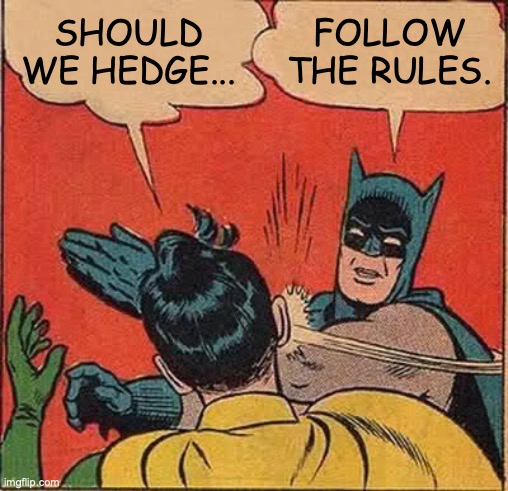

0 Comments