This week’s episode is for QAV Club members only. You can listen to one of our free episodes by clicking the below link and opening up our pages on Apple Podcasts or Spotify or watch clips on TikTok. Or visit our homepage to learn more about QAV and how it works as a value investing system that you can learn and apply to beat the market.
Transcription
AU 839
[00:00:00]
Cameron: Welcome to QAV Tony, episode 8 3 9. How you doing?
Tony Kynaston: Good. Good. Thank you. Back from Wagga had a great time,
uh, catching up with Roddy, playing golf. Played three days of golf, stayed up late, blew the diet, had fun.
Cameron: Blew the diet.
Tony Kynaston: Oh, it’s,
Cameron: diet.
Tony Kynaston: well now I don’t drink. It’s like, it’s the only sort of advice I can do when I’m away from home is to have a bit of chocolate. Stay up late.
Yeah,
Cameron: Right.
Tony Kynaston: it was good fun.
Cameron: I can think of other things you could do, but
Tony Kynaston: Yeah. It’s like good eye. But anyway, we didn’t, not with Roddy anyway.
Cameron: Well, I think I was gonna say, you hit the town with ruddy. I think
Tony Kynaston: Ah, right. Have you been to Wagga Wagga? It’s like,
Cameron: No,
Tony Kynaston: you can, you can go to the Air Force Pub, the Army pub, or the student pub. And if you
wait long enough, they all get together in the main street and fight at [00:01:00] about midnight.
Cameron: Well, there you go.
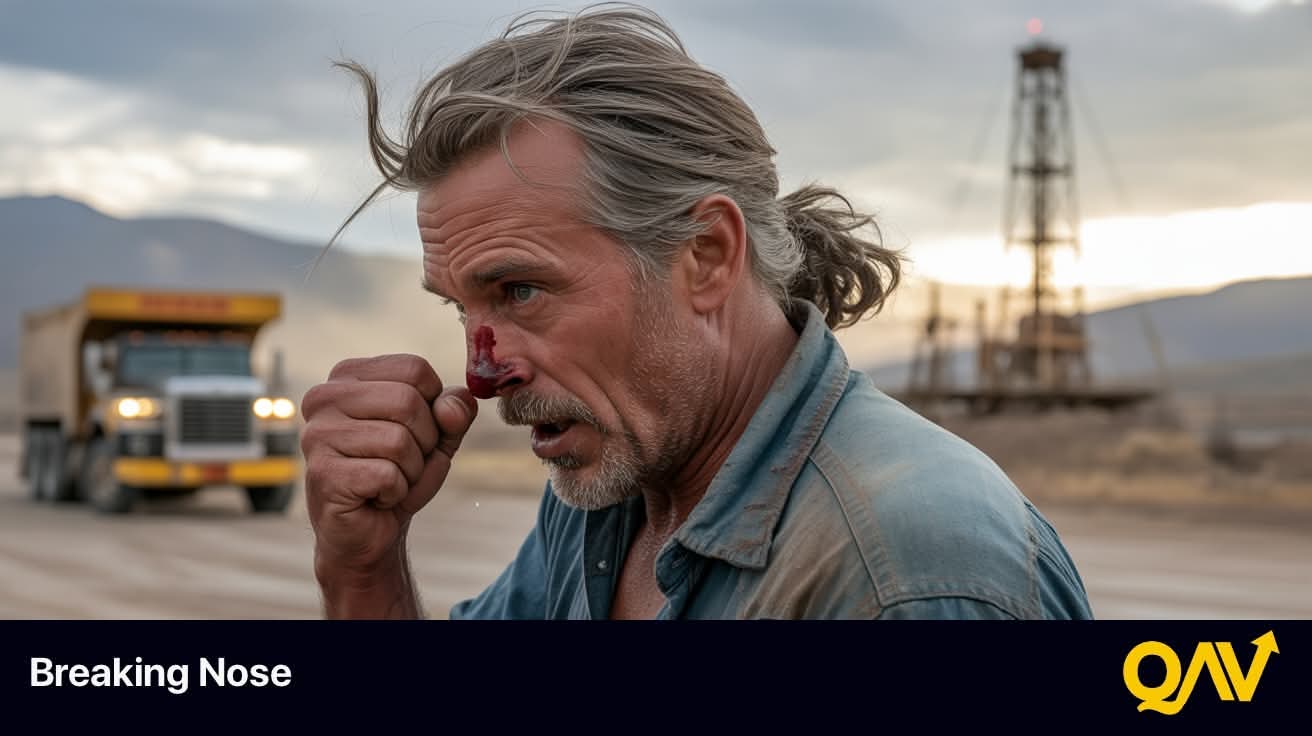
speaking of fighting those people that are on, uh, our YouTube or TikTok will notice my two black eyes and bruising around my nose.
Tony Kynaston: uh.
Cameron: Uh, um, yeah, I got my nose broken on Saturday and kung fu um, by a, by a 16-year-old lad, who during sparring, uh, sort of broke one of the cardinal rules and did a spinning elbow hit me in the nose. He’s pulled the spinning elbow on me a lot of times in sparring, and, um, I normally catch it. I’m waiting for it. I wasn’t waiting for it this time, me by surprise, slammed into the bridge of my nose and broke my nose. So that was fun.
Tony Kynaston: did he say dirty com when he did it?
Cameron: Dirty Commie?
Tony Kynaston: Yeah.
Cameron: Uh, no, no, no, no. He was horrified and, [00:02:00] um, tried to leave. his bag, uh, after checking on me
Tony Kynaston: Oh.
Cameron: I said, I’m fine. I said, get out there, let’s talk. Go. It was an accident, don’t worry about it. And he was, he tried to pack his bag and leave and I had to stop him and say, dude, it’s okay.
Like, accidents happen. You know?
Tony Kynaston: Or was a ball like
shark high
Cameron: Yeah, a
Tony Kynaston: get hurt.
Cameron: ice ice pack on my nose at the time, so it’s the first time I think I’ve had my nose broken, so that was fun.
Tony Kynaston: Oh, wow.
Cameron: Anyway, so breaking news, Tony. Um, before
Tony Kynaston: Apart from your nose?
Cameron: notes, publish Nose. Oh, there’s a good episode. Hey, that’s a good title. Good
Tony Kynaston: Uh
Cameron: News.
Tony Kynaston: oh. When I first saw it, I thought Fox must have been, it must have grown a bit taller.
Cameron: Well, I went to, I went to see the GP yesterday to get an X‑ray, uh, done on it. And first thing he said was, uh, oh, domestic violence. [00:03:00] And I said, not this time. No, but I was saying to Chrissy like, probably believe me. But if Chrissy had gone in there with the broken
Tony Kynaston: Yeah.
Cameron: would’ve been a completely different story, I would’ve had to get a, a note from the fus.
I think to,
Tony Kynaston: Mm-hmm.
Cameron: back up my story news, just before we started, uh, coming, going on, on air, on internet, on wifi, uh, Southern Cross Media and seven West Media announced merger,
Tony Kynaston: Ah.
Cameron: to step down. Both are on our buy
Tony Kynaston: Mm-hmm.
Cameron: Uh, as far as I can tell, the share price hasn’t really changed a great deal, uh, since the announcement came. But, um, you know, there, these are two of those companies that whenever I see them on the buy list, I kind of go, Ugh, not these guys again.
Tony Kynaston: Kind of like Mabb.
Cameron: Yeah. Kinda like Mabb, kinda like, [00:04:00] Atlas Pearls and who were the
Tony Kynaston: Oh,
Cameron: days?
Tony Kynaston: you don’t like Atlas Pearls? Uh, Apollo Tourism and Leisure.
Mm.
Cameron: got burnt by Atlas Pearls because of the,
Tony Kynaston: Ah, okay. Mm-hmm.
Cameron: SXW, uh, sorry. SXL. Um, oh yeah, it’s, uh, bumped up a bit. Uh, no, not today. Doesn’t actually, it’s gone down today, so there you go.
Um, hold on. That’s, that’s not ASX. No. Even ASX has gone down a bit today. So that’s not good. not reacting to the news very well. Who? And,
Tony Kynaston: It’s ah, it’s possible that people are crunching the numbers to work out which side to to buy. It’s usually you buy one and sell the other in a merger.
Cameron: okay, so who’s the other one? What’s,
Tony Kynaston: it was SWM and SXL?
Cameron: SWM[00:05:00]
Tony Kynaston: Yeah. Seven West Media.
Cameron: What’s going on now? Their show price is down too, from 16 cents down to 15 cents.
Tony Kynaston: No one likes the merger.
Cameron: Yeah. ’cause I was like, oh, well, you know, one of them will have, uh, jumped up as a result of that. Mm, no. Apparently not.
Tony Kynaston: You promised us exciting news,
Cameron: Wow. Broken nose. I
Tony Kynaston: broken nose.
Cameron: Didn’t say it was big. I tell you what
Tony Kynaston: Hmm.
Cameron: though, Tony is the, uh, portfolio updates. I know I said this the last time we spoke, which was a couple of weeks ago, but, um, portfolios going nuts. Look at the light group. The light group all times. So this is like February 22 to today is up 20% per annum versus 11% over the same timeframe for the SBDR 200. So almost double. But [00:06:00] if I look at the current calendar year, the group is up 31.5% versus 10.8 for the benchmark just nowhere going
Tony Kynaston: be reporting, it’s gotta be reporting seasonal. The, the result of reporting season, I would think.
Cameron: Yeah,
Tony Kynaston: Yeah.
Cameron: up.
Tony Kynaston: Hmm.
Cameron: that, the first of the portfolios, the one that’s really struggled, 2, 2, 1 has jumped massively since reporting season.
Tony Kynaston: Good.
Cameron: back to all time, it’s still trying to catch up to the index. It’s at eight and a half versus 9.8 for the index. But this is coming from a point where mid 2023, it was down 10% when the index was up five. it’s made a lot of headway, uh, since reporting season. But, uh. The others 2, 2, 2 is up 18 and a half [00:07:00] versus nine, since inception 2, 2, 3 up 20.6 versus 12 since inception. And the fourth one is up 24% versus 11 since inception. Um, so yeah, like it’s, you know, in the dark days, you know, I tell myself all we need is a good period and, uh, we, you know, back on top. But you know, you have to believe trust in the logic. Trust in the history, what I’ve seen happen before. And, uh, and then it happens and you’re like, oh yeah, this thing does work. Dummy portfolio. Well, no, I know that, but you know, it’s still, you’re like, you know, it’s
Tony Kynaston: I know you were,
Cameron: and.
Tony Kynaston: you were, you were saying to me, can you reconcile the transactions? Can you look at the light portfolio number one and why isn’t it working as well and all. It’s like, wait,
Cameron: no,
Tony Kynaston: it was sort it [00:08:00] out.
Cameron: you want me to check that? Make sure you’re doing the right thing.
Tony Kynaston: No, I did check it. You’re right.
Cameron: the dummy portfolio since inception is up, uh, close to 18% per annum versus eight and a half for the index. had a little bit of a bump too, but uh, it’s, you know, doesn’t show as much as the other ones, but it’s doing better than double since inception. So, uh, all good on those fronts. Tony, um,
Tony Kynaston: isn’t it?
Cameron: the, uh, stock Edia one too, let me bring that up while I’m at it. We’ll do a US show after this, but, uh, for what it’s worth for people that are paying attention, our US portfolio all time is currently up 65% versus 50. the s and p 500. it’s come back quite a bit from its heydays, it’s even been falling lately. Um, over the last one year, it’s only [00:09:00] up 3% versus 16 for the s and
Tony Kynaston: Oh, okay.
Cameron: well, it came back, as I say, over and over again. Um, pre-Trump, it was gangbusters, Trump tariffs, all that kind of stuff.
And it, uh, took the wind out of its sails.
Tony Kynaston: So it’s a, it’s, it’s a Democrat portfolio. Is it? So what’s the,
Cameron: it’s a sanity portfolio. Yeah.
Tony Kynaston: yeah.
Cameron: insanity.
Tony Kynaston: a white portfolio.
Cameron: Yeah. But all, you know, all in all, it’s still doing quite well.
Tony Kynaston: Mm-hmm.
Cameron: in, uh, two years. So, you know, nothing to be sneezed at,
Tony Kynaston: Mm-hmm.
Cameron: but at one point it was doing like three times the index, which at the end of last calendar year it was up 95% versus 35% for the s and p 500.
And, uh, then Trump got elected and everything, [00:10:00] everything, everything went backwards. But, uh, still it’s doing okay. Uh, alright, so that’s the portfolios. Uh, I’ve got some bad news for you though, Tony, the golden age of value investing is over.
Tony Kynaston: Really, it’s news to me. Yeah.
Cameron: Never heard that before. I saw this in Bloomberg a week or so ago by Guy spear guest columnist. Bloomberg. He’s the author of the Education of a Value Investor and has managed aquamarine Zurich’s privately offered investment funds since 1997. You’re familiar with the education of a value investor, Tony? Ever read that?
Tony Kynaston: I have. Yeah.
Cameron: Okay.
Tony Kynaston: Um, I’m just, just laughing at, ’cause it was at Albert Spear running the Zurich portfolio. It’s like,
Cameron: Wrong spear, spelt
Tony Kynaston: I said, okay. [00:11:00] Maybe,
Cameron: hit, not Hitler’s architect.
Tony Kynaston: Yeah. No,
Cameron: One of my favorite Nazis, though, I’ve gotta say spear.
Tony Kynaston: because he, ’cause he defected.
Cameron: well, no, but because he, well, he survived Nuremberg, but his architecture was amazing. Like he,
Tony Kynaston: Ah.
Cameron: great architect. Any who, and a, and a reluctant Nazi, I think. But you know, any who. Um, this is what Guy Spear has to say. Um, for 30 years, my advantage as an investor was painstaking research. AI just made it worthless. Uh. Um, he talks about his history, Berkshire Hathaway, blah, blah, blah. Uh, in those days, potential investors in my fund used to ask, what’s your edge? Perhaps it was a shorthand for, do you have a source of insight information Or more politely, what’s your variant insight? If I had any at all, it was based on this sort of scuttlebutt, but that world is now [00:12:00] gone. Over the last decade, many of those advantages have been eroded, pounding the pavement, smiling and dialing were no longer necessary because those hard earned insights were being emailed, tweeted, live streamed, YouTube podcasted and more. Yes, you still had to pick your sources, but there was so much more that were simply available at the tips of any analyst’s, fingers, and now comes ai. The way investment research changed in the internet age was glacially slow when compared to the earthquake that as LLMs before ChatGPT, you still had to have the patience to assemble and read through the mosaic of sources.
Now you can just ask Chachi, t or Gemini to do all the trawling. An LLM can give an instant summary of all that has been said in the public domain about a company, and it can be instantly analyzed to provide the current state of wisdom on the topic. Um, funnily though, you know, I’m in the value investing subreddit and I constantly see people, uh, mostly Americans saying, I can’t find anything to buy.
There’s nothing to buy, no value. Everything’s gone. [00:13:00] And I’m thinking, I just did my US checklist and there was 200 companies on the US checklist and you know, and, and, and I’ve gone over, I don’t think I’ve done it on this show, uh, for a while, but if I, I, do it on the US show. If I look at the, uh. Pulled porks I’ve done on QAV America in the last five months. You know, Chemex is up 68% since then. Zep is up 1500%. Sasol is up 43%. Gray media is up 40% IHS is up 37%. Orx is up 27% Canadian Imperial bankers up 23% since, so did it in May. Uh, and then the rest are all up single digits, little bit lower. Double precision drilling is up 18%. Like, um, plenty of value we were finding in those stocks in those hundreds.
So I don’t, I don’t know that the technology, I remember, you know, when [00:14:00] Warren was asked about ai, I think a year or two ago at the Ag GM, you know, he said people will still be greedy and stupid. Um. You know, it doesn’t matter what the technology platform is, he’s seen technology come the last 60 years and people still aren’t being long-term value investors.
So I don’t know. I’m not sure that it’s as over as Guy Spear thinks.
Tony Kynaston: I don’t think it’s over at all. I mean, maybe it’ll end one day. Um, I mean, there’s a, there’s a couple of really big shifts in tectonic plates in investing. And the rise of passive or index investing and ETFs is huge. Um, and. Spears, his right to talk about LLMs and
being able to have even more information at your fingertips.
And he talks about not needing analysts anymore to work for him. So yeah, all those things are huge, but however, there are still always anomalies. [00:15:00] And that’s what value investing is about. It’s about finding something which is worth more than the price you’re being asked to pay for it. That’s an anomaly.
So things like CB, a CommBank, it is overvalued, but it’s still held in every index fund ’cause it’s the biggest stock in the share market.
So
holding
Cameron: side neutral?
Tony Kynaston: passive funds in overvalued markets is a mugs game long term.
Cameron: know
Tony Kynaston: And eventually when
the market works it out and trades that way, it’s probably gonna be a buying opportunity for value investors,
Cameron: the
Tony Kynaston: for stocks like CBA when they’re, when they’re, the pendulum swings the other way.
Um, and also too, like those ETFs, I don’t, I think I talked about this a little while ago, but, um. Index ETFs tend not to hold the small caps, they sample the small caps. So, um, the way that the ETF works is that it has some big partners who are always comparing the price of the ETF to, to the [00:16:00] underlying stocks in the index and trading away the arbitrages.
So if the underlying stocks are cheaper than the index ETF and they buy the underlying stocks and sell the ETF and vice versa. And that’s what keeps the ETF hugging the index. But a small cap is a really small driver of that kind of arbitrage. So they just don’t get traded by passive funds. Even though you think you’re buying the index, you’re really buying the top stocks in the index.
Um, and that means that for small caps and, and I don’t know what size it kind of. What, what’s the cutoff? But, um, there’s still huge opportunities in, in the bottom end of the index, maybe even the bottom half of the index, uh, to be able to find things which are undervalued, um, that aren’t being moved by index funds.
And most of the, like most of the capital in Australia is in, is largely in superannuation funds these days. And they’re not interested in small caps either. They’ve got, [00:17:00] you know, a DT problems. Um, so there’s, there’s still a very open playing field for value investing, at least at the lower end of the market in terms of market cap.
Um, but the bigger argument, as Buffet says, there’ll always be behavioral anomalies. And that’s what creates the arbitrage for us as well, is the things like the greater fool theory will always be there. Um, so to be able to buy when others are selling is, um, is a huge advantage to someone with a value investing system or a value in investing mindset.
It doesn’t get swept away in the, in the. Emotions of the market. So, um, and I also think too, that as passive investing as LLMs or
becomes even more prevalent, they’re gonna be gained by the owners of the comp, by the managers of the companies. ’cause they’ve got big incentives to keep their share prices going up.
So, um, I don’t know what, you know, how they will game those [00:18:00] systems, but they’ll work it out and they will. So again, anomalies will, um, happen in the system and, you know, like, it’s like you don’t hear the, you don’t hear the, the Matt Koman, the CEO of CommBank saying, oh, don’t buy our shares. They took, they’re overpriced.
So, you know, in some, in some ways he’s kind of. Gaming the system by being quiet about it, um, and allowing your shares to be bought when they’re massively over value. CBA is the most expensive bank in the world, but it’s a, it’s a sleepy building society, um, essentially in terms of the rest of the banks and the world.
Um, and eventually it’ll be sold off on that basis and there’ll be a chance for value investors to buy.
Cameron: An anomaly in the system. That’s like, that’s what Neo was in the Matrix. He was an anomaly in the system. But I think it’s, I think it’s mindset. I think you nailed it. Like the technology is a secondary thing. It comes down to the mindset. my favorite quote that I’ve used in all of my, I think, light updates for the last six months is, uh, [00:19:00] from Lynch, uh, everyone’s a value, everyone’s a long-term investor until the market collapses or something like that, until the market goes down.
Tony Kynaston: Yep.
Cameron: and we saw that with our members during the tariff interest rate rises and of the things that happened there, the trade wars and all that kinda stuff. Uh, the Ukraine war, when the market collapsed, people just evacuated. Um, you know, they give in, they’re like, ah, no, I can’t stomach this.
I’m like, well, you know, it’s not gonna last forever. Right. Goes down and comes back up. But, um, yeah, some people just aren’t cut out for holding on for the long term, following the rules, regardless of what the underlying technology is.
Tony Kynaston: That’s right. That’s, that’s exactly the point. Just make you, the technology is a tool that lets you do it faster and quicker and across, you know, more stocks, but it doesn’t change the approach really.
Cameron: Yeah. Until the AI [00:20:00] takes over your portfolio and goes, no, I’m not gonna let you sell. That would be stupid. Um, sorry. I’m sorry, Dave. I’m afraid I
Tony Kynaston: Yeah.
You haven’t brought up, you haven’t bought up, uh, atomic Energy, electricity plants from my, my, um, what do you call ’em? Data Farm from my server farm. Yeah.
Cameron: what you got on your list of talking points? Tk. I’ve got 20 stories here, so I’ll let you take one
Tony Kynaston: Oh, okay. Thanks. I got a few. Um, so if anyone listened to our show last week, which was an AI generated discussion about the QAV Bible, it, it did mention an outdated figure. So I just wanna clear the air that, um, back when we started QAV, my CGA was 25, it was 19.5%, but it’s not that today, it’s come down. Um, it’s less than that.
Um, I went and had a look at the market over the same time period and that’s also gone down. So I’m still double market, but, [00:21:00] um, but not 19.5%. So I wanted to just clarify that and I, I think that’s fair. I think, um. The market’s always gonna come up and go up and down and over the long term, the averages will rise and fall.
And I think, I think because we’re investing in the share market, we’re kind of, I’m kind of tied to the share market. So saying something like we hope to achieve double market is a much more realistic goal. And putting a number out there and saying, you’ll get 19.5% or whatever the number is. There’s been periods when I’ve had more than that.
This is a period where I’m having less, as you said before, we’ve come through a two or three years of rising interest rates. They’ve just been cut recently. But, um, and, uh, lots of, lots of humal in world markets, um, because of what’s going on in Ukraine, Russia in the us. Um, so yeah, I’m not getting 19.5%. I just wanted to clarify that.
Cameron: And we’ve changed it to double market everywhere else in
Tony Kynaston: Yeah,
Cameron: miss one of the [00:22:00] lines in the Bible, so
Tony Kynaston: no, that’s fine. I
that.
Don’t hold that against you, but I just wanted to clarify it. Um, in terms of stock news, I had a look at the latest buy list and Grange Resources is back on. I forgot. I did a download today to prep for the show and, um, gr r’s the code. And I remember doing a pulled pork on Grange back in February and I, I can’t recall if we red flagged it.
We may have, but um, I was really surprised to see the stock being bid up at the moment following its latest results, which by the way, and it latest results, the profit was down 48%, um, half on half. Yeah. And back in February, the, the driving, um, or the biggest risk that they, they face was, uh, and I’ll quote from, um.
Uh, I can’t recall who, where this came from, possibly from the AFR, possibly from a Tasmanian newspaper. Um, but it says one of [00:23:00] Tasmania’s biggest employers has warned that it’s 1.3 billion plan to expand the Savage River Mine South is unviable at fi, forecast iron prices. So. Uh, the mine that operates. So go, I’ll go back a step.
Gran Resources is an iron ore miner and it’s, um, it’s selling point is that it mines iron ore pellets, which are, um, I guess concentrated iron ore, I guess if I can summarize it that way, which makes it easier to transport, um, which they need because they’re further away from the markets than the WA miners are.
Uh, but also greater purity. So, um, that’s its big advantage. However, the mine that they operate from in Tasmania is, um, getting close to finalization. So again, the article says the mine’s output will begin falling in 2027 and it is expected not to produce anything by about 2029 if the site which produces the high grade iron or concentrate shipped from a jet and knee burn does not process.[00:24:00]
Pro progress with the proposed underground expansion. Um, and they, they came out and said they weren’t going to, and the share price went down a lot. And, um, uh, I did a pulled pork on it and said, look, we probably shouldn’t be investing in this if it’s, if it’s got a mine life of at the most four years, um, it’s gonna eventually wind up.
There was a couple of saving graces, I think from memory. They were looking at starting a mine in wa and as at the stage of the pulled pork in February, they hadn’t decided whether they were gonna go ahead with it and they were still crunching numbers on, um, the expansion to the mine In Tasmania, it looks like what’s happened is, um, they’ve come out and said that they, they’re now seriously considering turning the mine, which is an open cut mine in Tasmania into an underground operation and that will help.
The business because [00:25:00] it’ll be cheaper to run than an open cup mine. And the reason for that is because it, it’s, what was it called now? Block. Block cave is the process they’re going to use bit like blockchain, but in a cave. Um, and the idea is that instead of blasting to, uh, get at the, uh, iron ore, um, they drill a bit and let the mine collapse a bit, and that, um, helps to separate the iron ore from the whatever’s around it, the dirt, I guess.
Uh, and that improves the efficiencies of, um, mining for the iron ore. However, that requires something like nearly a billion dollars of financing to, to make that change. So the companies announced that they are trying to secure that financing, and that’s their plan, and that’s where it’s at. Um, so despite having really poor results, I think the market’s saying, well, maybe they will go on mining from this mine.
So I think it’s a, it’s all very risky and up in the air. And if, um, I’m just kind of calling this out for people to be fully aware, if they do see Grange on the [00:26:00] buy list to. Do your own research and maybe by the time someone decides to buy it, there’s more clarity as to what’s happening in the mine’s future.
But at this stage it’s, it’s um, it’s slated to close in four years. It’s, uh, awaiting finance to convert from an open cut to a, um, an underground mine. It’s using this block cave process I’ve never heard about before. So maybe it’s pioneering technology. And they, the articles also said they were going to make a number of their staff redundant ’cause they need less people on the pit.
Um, on the, uh, yeah, on the underground mine compared to the open pit. So there could be industrial problems. So there’s all sorts of issues this company has to get through before I be bullish on the stock. So just bear that in mind if you see it on the buy list.
Cameron: Well, I just wanna point out that when you did the Paul Pork, that was in our episode 8 0 6, came out on February 12th, 2005, the title of which was the Riley Indicator, when I suggested that a lack of [00:27:00] sell signals could indicate an impending market correction, you sn it at me at the time. Um, I wanna point out that the all odds on the 12th of February was at 8, 8 0 4.
It then slid all the way down to 7, 5, 6, 1 on the 9th of April recovering. Um, so I think the Riley indicator has been proven, now
Tony Kynaston: Shall we try?
We’ll trade it from now on.
Cameron: Unfortunately, I stopped tracking the number of cell signals at some point after that, so I don’t have any data. I could probably do it, but yeah, I remember thinking at the time, there was, uh, not a lot of things turning up in my new cells list and that that was probably a sign that things were a bit frothy. Probably not an original insight. I, I, I confess. But, uh, there you go.
Tony Kynaston: I don’t think anything I do is [00:28:00] original, so.
Cameron: Yeah, good point. Maine, uh, forecast Tony inside Maine farmers suit as battle to sink. Project crocodile. I saw this on the. Uh, financial review this week, US Healthcare giant Cosette alleges Maine, should have known it could not mean not meet earnings forecasts when it signed the 671 million deal in February. So basically the, uh, down here. You know, we, um, talk a lot about, um, disclosure and our complaints about the lack thereof. It looks like we’re not the only one who’s upset about. Um, I’m making allegations about lack of disclosure. This US private equity based, [00:29:00] uh, company had agreed to buy main farmer, an Adelaide based manufacturer of women’s health and dermatology products for $671 million in a deal code named Project Crocodile the due diligence process, CO’s army of lawyers and advisors waded through 2000 documents downloaded into an AI powered virtual data room set up four months earlier. Bottom line is that, uh, main handed coz and earnings forecast based on six months of actual earnings and another six months of forecast for the 2025 fiscal year at projected earnings before interest taxes. Depreciation, amor amortization of 69.9 million. Coze is trying to terminate the deal because it says there was a material adverse change in conditions. Um, apparently main uploaded a document into the data room entitled CFO report February FY 25, which was [00:30:00] grim reading according to the financial review. And, uh, things weren’t going as well as they said they were gonna go. And so this company’s upset about it. I don’t think Maine is something that we hold or own, or have talked about, but I just thought it was, it was an interesting story that, um, forecast even at that level of deal forecasts and projections and transparency. Apparently these guys have some concerns. Alleged concern, well, not concerns, concerns over alleged misrepresentation of the, uh, financials. I thought, oh, yeah. We’re not the only ones who feel upset about that.
Tony Kynaston: Yeah. Yeah. I mean, it’s a deal too. So who knows what the motivations were to make projections, probably to get the sale done, I guess.
Cameron: yeah. What else you got?
Tony Kynaston: What else have I got? [00:31:00] Uh, well, it, um, it range weren’t the only ones with bad results. There’s a couple of other stocks that are on our buy list, which, uh, people won’t be buying because the sentiment’s bad. But, uh, KAR Karoon energy came out with a npa, uh, NPA number, which was down 61% on last year’s, and the CEOs exited.
Looks like the CEOA guy called Julian Fowls is leaving because the company’s going to relocate its headquarters into, uh, Houston. Um. And he didn’t wanna move there. Uh, but they don’t have anyone yet to replace him, and they, he’s staying on till the end of the year to run things, um, till that happens. Uh, but yeah, they’re in, they’re in a lot of, lot of pain at the moment.
Karoon, um, we’ve, I did a pulled pork on them. They are operating and exploring [00:32:00] operating fields and exploring for, uh, oil and gas in the waters off Brazil. And, uh, they’ve had a very up and down sort of period with that. And they’re also being pushed around by the commodity prices too, so not a great result for them.
Um, the other one was Mabb and I, I won’t go into it in too much detail because it was splashed across the front page of almost every paper, but, um. Myers down dramatically from its highs. I think it got to about a dollar 20 and now it’s down around 30 or 40 cents. So it’s a big fall from Grace. The headline or the article read in the first paragraph, Myers botched rollout of its national distribution center, will cost 32 million more to fix and will not be ready for the peak Christmas trading period, uh, which caused a heavy sell off in the company shares after it reported a disappointing annual result.
The department store group led by executive chairwoman Olivia Wirth, reported that net profit slumped [00:33:00] 30% to 36.8 million for the year to July 26th. The problems with its new distribution center as well as poor sales from its apparel brands portfolio, which had acquired from billionaire Solomon, who in January weighed on earnings.
So, um, I remember at the time we had lots of questions when. May proposed, uh, to combine with a lot of the brands from Solomon Lou’s portfolio, the apparel brands portfolio, and then integrate those into stores. And people were asking, is it a good deal or a bad deal? Well, as it turns out, not that great at this stage anyway.
Cameron: hmm. I’ll tell you who isn’t good deal. Santos AFR reporting massive. $36.4 billion. Santos takeover deal collapses as ad knock walks away. Abu Dhabi national oil company has walked away from its $36 billion takeover for Santos [00:34:00] becoming the third bidder to abandon a proposed acquisition for the country’s second biggest oil and gas producer.
In a shock statement, just two days before the deadline for a binding deal to be signed, XRG said it had withdrawn its indicative bid and would not proceed to a binding offer. So I had a note, uh, in our buy list on Santos that it was, uh, a takeover,
Tony Kynaston: Yep,
you can.
can remove that.
Cameron: I can, well, I’m updating the note to say the takeover collapsed. Um, so on the buy list? STOI know they have been on and off it. They’re not on it at the moment, but, um, the fact that it collapsed, I mean, is that a, is that a good sign or a bad sign for us [00:35:00] investors?
Tony Kynaston: Good question, isn’t it? And if you don’t know, unless XRG comes out and say, it says why it collapsed, but, um, and look, it, it may have collapsed because they, they had to, uh, um, they had to get foreign investment review, board approval, and I think also to the approval of the South Australian government and perhaps even the treasurer.
So they may have started that process and worked out. It wasn’t gonna happen, for example. So there could be a number of reasons why it collapsed, or it could be that they didn’t like what they saw when they got to the bottom of their due diligence. Um, so it’s, it’s not a good look when a takeover, um, doesn’t proceed.
And, uh, yeah, I mean, we’ll let, we’ll let. Our numbers tell us whether in the future it’s worth buying or not. But, uh, Santos has had a history of merging and getting bids, but they’re not [00:36:00] going ahead. So it’s, um, yeah, it’s a hard one, isn’t it? It’s, there’s, there’s something about it that, that when people have a close look at it, they don’t like, and that’s a little bit worrying, I think.
Cameron: Hmm.
Tony Kynaston: Could just be price. That’s always an issue. And it could be that they can’t get the approvals that they, they need if they’re an overseas buyer. But, um,
yeah, you just don’t know.
Cameron: Alright, well I’ll take my note off and we’ll keep an eye on it. What’s next?
Tony Kynaston: What else have I got? So the RBAs meeting today largely expected to keep, keep rates on hold?
Cameron: isn’t it the first Tuesday of the month? Do they meet?
Tony Kynaston: No, I think I.
Cameron: of the month.
Tony Kynaston: No, it used to be, but like they’ve changed it now. They’re not, they’re not meeting monthly. Um, so yeah, not, oh, maybe I’m wrong. I thought it was this week. Thought it was today. Could be wrong. Could be next week. [00:37:00] Um,
you googling it? Can you find out? I thought it was today,
Cameron: Um, yeah. No, it’s right. You’re right. Steven Miller, former advisor to Paul Keating. Not that Trump, Steven Miller different. Steven Miller says, uh, meets Monday and Tuesday this week.
Tony Kynaston: right?
Cameron: Hmm.
Tony Kynaston: Yeah. So, but, um, I, I don’t think they’re gonna cut rates. I think they’ll be on hold. There was, there was some information out last week on CPI, but, uh, I think from memory there was a, maybe a monthly indicator and they like to wait for the quarterly. There was some depression in the jobs numbers, so, uh.
The, the consensus that I’m reading anyway is that they won’t, they won’t, uh, drop rates. They’ll stay on hold, so we’ll see.
Cameron: Didn’t you get this completely wrong last time?
Tony Kynaston: Yeah, yeah, yeah. Well, I’d like, I’d like to see them cut. I don’t think the economy’s going anywhere fast, so I think we do need to cut, but, um, uh, I don’t think they will. We’ll see.
[00:38:00] Yep.
Cameron: emailed me after our last show when we were talking about my buyback, um, script. said, I think you have to check for buyback notifications. Otherwise you might include stocks that have undertaken a share consolidation.
Tony Kynaston: That’s a really good pickup, Dave. I think he’s right.
I don’t think it’ll be an onerous task ’cause he only had three on the list with buybacks or with share consolidations or with reductions in shares more than 5%. So wouldn’t be hard to do a quick search on those three stocks to see if they did undertake a buyback, which they have to announce.
Otherwise it would be consolidation. So I think Dave’s right. Good pickup. Thanks Dave.
Cameron: right. Thank you, Dave. What’s next?
Tony Kynaston: So I saw an article in Livewire about some work Macquarie Bank researchers had done, and the headline is, is Buffet’s Rule Reversed? And, um, the, the Buffet rule they’re talking about was a quote that, uh, is [00:39:00] Warren’s widely known for Mabb in 1989. It’s far better to buy a wonderful company at a fair price than a fair company at a wonderful price.
Um, and that, you know, that’s kind of the essence of QAV is getting a quality company at a, um, a wonderful price. Uh, and you know, that there’s, it’s my experience that the. The more malleable of those two things is the quality score that you know that if we can buy something that’s a bit lower on quality of the fair price, we still do it.
Um, and I think that this research from Macquarie has also found that too. So, uh, Macquarie global Quant team, uh, back tested 30 years across 10 global markets and found that fair companies at cheap prices often outperformed wonderful companies, bought at fair valuations. Um, so that’s kind of what I think too.
Uh, [00:40:00] they did identify some Australian stocks that they thought were, um, not great. So trying, how am I trying to say this? What’s the wording they’ve used? They’ve got a very awkward way of talking about this. I, I guess to try and not to offend the companies. They call ’em fundamentally cheap stocks, businesses with fair to solid fundamentals that, uh, are offered at a cheap price, is what they’re saying.
And their list includes some of ours, like, uh, what’s this? We’ve had a rise in the past. It’s on their list. We’ve had, um, new Hope, it’s on their list. We’ve had Sky Network Television. Uh, tower Insurance I think is, might still be on our buy list. Yanko was, credit Corp has been on the buy list. So fairly similar sort of, um, overlap to what we’ve seen and a fairly similar result.
And it’s hard to go up against the, the great man Warren Buffet and, um, say he’s wrong. But I, you know, I’ve always thought that, uh. [00:41:00] He changed courses midstream when he went from being a, a deep value cigar button investor to being, um, more of a quality investor. And his returns were always better in the first half of his career than the second half of the career.
And I think, uh, that’s because he got away from deep value, which he probably had to. Quality companies are often high market cap companies. Um, and he had to, as his funds got bigger, go after high, high quality companies. But, um, anyway, bit of research, which backs up my findings as well.
Cameron: Different challenge when you’ve got hundreds of billions that you need
Tony Kynaston: Yeah.
Yeah.
Cameron: Hmm. According to a shout out to Brendan, I got an email from Brendan, um, over the last week. He’s just, he’s been a light member since 2022, which a round of applause, um,
Tony Kynaston: Thanks Brendan. Well done.
Cameron: well, because that was a rough couple of
Tony Kynaston: Yeah.
Cameron: to stick it out during those couple of years, take some, uh, stones, he [00:42:00] said, I said, how’s, how’s your portfolio doing?
He just upgraded from light to club and he said my portfolio was slowly tracking upwards through 23 and 24, but this year, since March, it’s screaming ahead, currently showing a 61.48% return. I use QAV Light for the majority of my investing. However, I also DCA into the s and p 500 and hold a few Mag seven stocks, which I owned before signing up to QAV. But he then said the majority of my return has come from QAV light stocks, which make up roughly 65%. So, uh, well done Brendan.
Tony Kynaston: Yeah.
Cameron: Um, I don’t hear much from the QAV like members about how their portfolios are doing, despite me asking from time to time, but appreciate, uh, Brendan sharing that.
Hope you don’t mind me sharing it on the show, Brendan, but well done. Good on you for sticking out the rough years. That was a rough time to start. 2022. It was the dark years, um, when the ring in the hands [00:43:00] of, uh, the wrong people. Uh,
Tony Kynaston: And then if we’re still trying to get it back,
Cameron: No, we’re definitely back, baby. We’re back.
Tony Kynaston: oh, we are. Yeah. But the, the ring is still being held by some of the dark forces in the world.
Cameron: Oh,
Tony Kynaston: what else have I got? I’ve got, um,
no, actually that’s all my news. I’ve got, uh, I pulled pork to do on M‑L-G-M-L‑G. Ords is the company. So when you’re ready.
Cameron: Well, I got a new new script version of my new script running in the last week, so I got a bunch of news stories with QAV related stocks. I’ll just run through them quickly. Mining receives presidential decree for Underground Underground Project at Y They received a presidential decree for this project, which is a significant milestone for the company. significant investment of 170 million expected for the project first or production targeted for [00:44:00] January, 2026. The, uh, this is in oh, getaway cookie, cookie thing. The ko Deir Ko Deir the Yor goldmine is. It’s always good when you get the presidential decree. I thought it was Donald Trump, one of his decrees.
At first I thought they’d got a decree from him. He likes throwing those around,
Tony Kynaston: The share price reacted well to that.
Cameron: did it.
haven’t Hmm.
for a couple of days. P‑R-P-A‑U,
Tony Kynaston: One of my, first of all, I should say I hold it, but one of my better performing stocks.
Cameron: Yeah. Oh yeah. Look at that Jump from 4 65 up to 4 96. Came down a bit, but, uh, today. But yeah, it’s, um, it’s been a great stock in all of my portfolios. I think I hold it in a bunch of different portfolios, [00:45:00] uh, it’s been, it’s been a real winner, hasn’t it, over the last couple of years. Let me see.
P‑A-U-P-A‑U up, uh, yeah, super portfolio, I’ve had it since April 24. It’s up 111%, added to a couple of light portfolios. Uh, may 24, it’s up a hundred percent. Uh, March, 2005, I added it to a couple portfolios. Light portfolio’s up 60% since then. So yes, it’s been a ker,
Tony Kynaston: Maybe we shouldn’t complain about the weather rings being held at the moment in the Dark Forces, because means the gold price keeps going up.
Cameron: Yeah. Uh, Woodside breaks ground on a $17.5 billion. Louisiana LNG mega project, supposed to enhance their position as a global NNG leader. Uh, construction on the first LNG train is [00:46:00] over 22% complete long-term capacity. Projected at 16.5 NPTA with potential expansion sale of 40% stake to Stone Peak Investment Firm. What’s Woodside’s, uh, code W these
Tony Kynaston: WDSS. Yep.
Cameron: Yeah. Um, I put them out as a possible in the light portfolio in June. They’re only up 2% since then, but, uh, hopefully that’s gonna give them a bit of a bump. Australia approves extension for Woodside operated NWS project, Northwest Shelf Project. Another Woodside News. They’ve received environmental approval from the Australian government with strict conditions to manage emissions. This is for, uh, well, this requires reduction of emissions by up to 60% by 2030 and net zero by 2050. [00:47:00] There you go. So they hold a 33% interest in the NWS and related projects. ASX growth stocks with higher insider ownership, discuss Dura Tech, another great QAV stock, dura Tech’s insider ownership. Um. Thought this was interesting ’cause you know, we like skin in the game. in Yahoo Finance. The Australian market showed signs of resilience as the index rebounded, taking cues from Wall Street’s, recent highs, blah blah blah. Goes on to talk about a bunch of companies with high insider ownership. Some are familiar like Findy, 33.6%, great QAV stock, but a bunch of others that I haven’t heard of. W‑W-Z-R‑W and the name is, the name of the company is WISR, wiser Dunno what they do. Pointer Newfield Resources in Hyperion X [00:48:00] image resources. I haven’t seen them on the buy list for a long time, but they were a mainstay many years ago. Findy Echo IQ at Veritas and a crooks says Dura Tech. Uh, inside ownership, 29.4%. And, um, I know that’s, as I said, that’s been a great QAV stock over the years. Uh, let me see up 316% in one of the light portfolios since I added it in November, 2022. Added it again in June of 23. It’s up 196%. February 23 to the dummy portfolio. It’s up 192% since then. Couple of possibles I added to, it’s up 140%. A hundred percent. Anyway,
Tony Kynaston: Well, all I can say Cam, all I can say Cam is that the rumors of the death of value investing are greatly exaggerated.
Cameron: [00:49:00] Yeah, right. 300%
Tony Kynaston: Hmm
Cameron: Some news from Clover, I think they’re CLVI hold them in a light portfolio. Clover’s full year 2025 earnings report highlighting significant revenue and net income growth, surpassing analyst expectations. increase by 38% year over year to 86 million. Net income surged 363% year over year to 7 million. Profit margin rose, 8.2% from to, uh, two, sorry, rose to 8.2% from 2.4% and FY 2024. So, uh, let me see. How are CLV doing? Added them back in June to a light portfolio. They’re up 37% since June. Not bad. White Haven coal. Uh, announced updates on their market buyback progress. I thought this was interesting. With our recent [00:50:00] edition of point Scoring for buybacks, they’ve announced an update regarding its ongoing on-market buyback of ordinary, fully paid securities as of September 29th, 2025.
The company has repurchased repurchased a total of 5,794,792 securities. Um, there are Josephine on, they’re on our buy list this week, but Cole is a Josephine, so just letting people know that. And the last thing I’ve got is from. he sent me an email. Hi Cam. I subscribed to the Wall Street Journal on some bargain sale recently, and I’m quite enjoying it. An article popped up today. Jonathan Clements, longtime WSJ columnist, dies at 62. Turns out he wrote the Wall Street Journal personal finance Column. Column. Getting going from 1994 to 2008 seemed interesting, so I kept digging and found this column from December 31st, 2000. [00:51:00] these 25 basic principles or principles of investment will help you save. Uh, I’m gonna run through them very quickly. Um, one time and a healthy savings rate will solve most investment wounds Two top financial priorities should be maxing out your 401k plan every year and paying off your credit card balance each month. If you do those two things and nothing more, you’ll be in better shape than the vast majority of Americans. Three. Your employer’s stock is the risk riskiest stock you can own. After all, you already rely on your employer for a paycheck and possibly your health and life insurance as well. Why crank up the risk level even more by betting your portfolio’s future on the same company? Uh, four, if you invest in just a
Tony Kynaston: Yeah, except that we do like to see skin in the game, as you said before, so, and it’s the one investment if you do work at a company where you have shares in it, it’s the one investment you can have a hands on control over in a small way, perhaps. But still, I’m not [00:52:00] sure about that.
Cameron: probably don’t pay for your health or your
Tony Kynaston: Yeah.
Cameron: but,
Tony Kynaston: Yeah.
Cameron: Uh, I’m actually in the US Show today. I’m doing a healthcare company, hospital, a company that owns a bunch of hospitals and looking at the for-profit business model of the US healthcare. And my takeaway from it is, I’m glad I don’t have to be a patient, uh, in the us That’s, you know, the healthcare costs are insane as, as we all know. Um, four, if you invest in just a couple of stocks, the odds suggest you will lag behind the market average. How come in any year the market’s return is driven by minority of stocks that post blowout gains. Unless you diversify broadly, you probably won’t own any of the big winners. Thoughts on that, Tony?
Tony Kynaston: Oh, I think it’s probably true. Um, I, I hold a fairly concentrated portfolio, but it’s still, I think got six or eight stocks in it. Um, and we recommend 15 to 20 for people. So, yeah. Um, we’ve seen it time and time again that our [00:53:00] portfolios are driven by one or two stocks, and if you don’t hold them, you don’t get the performance.
Cameron: I wouldn’t say 15 to 20 is diversified. Broadly though,
Tony Kynaston: Um, yeah, I dunno what he means.
Cameron: Yeah.
Tony Kynaston: Yeah. It’s enough. I think other research has shown that that’s a good, a good size for a retail investor to whole.
Cameron: Yeah. Um, I’ll skip some of these, the, the couple that stood out for me over the long haul, a mediocre stock fund will outperform a brilliant bond or money fund manager.
Tony Kynaston: Yeah. Well that’s just, stock’s always outperformed bonds and cash. That’s, that’s kind of self-evident really.
Cameron: To avoid a big financial hit, steer clear of the derivatives market. Don’t bet heavily on any single stock. Keep margin debt to a minimum and try your darnedest not to get divorced.
Tony Kynaston: Sounds like something Warren Buffet would say. Yeah, I agree wholeheartedly. I mean, it’s a, Warren Buffet has said if he, he had. [00:54:00] If he, people were always pitching to him to take out margin loans to, um, boost, uh, his holding in Berkshire Hathaway. And he has said if he had taken out margin loans on Berkshire Hathaway, he would’ve been bankrupted twice over his lifetime.
Cameron: Yeah.
Tony Kynaston: Hmm.
Cameron: let’s see. I’ll pick one more here. When in doubt do nothing. It’s almost always the cheapest course of action.
Tony Kynaston: So true. Isn’t it? I mean, we’re. Especially for people who’ve had careers in business, you, you’re kind of hardwired to always be doing something, aren’t you? Something happens and your boss says, get onto it. Fix it. It’s just so you sort of get into that hamster wheel, but investing’s kind of the reverse.
It’s patience. It’s, it’s, you know, um, operating with incomplete information. Sometimes it’s, it’s using probabilities. Yeah. So doing nothing is often the right call, but it’s hard to do. ’cause you, you are hardwired to, I’ve gotta make a change. I’ve gotta, [00:55:00] I’ve gotta do something to be seen, to be doing something and it’s wrong in terms of investing anyway.
Yeah.
Cameron: Um. Actually, I will pull one more. I pull one more outta here. A tumbling stock market may be upsetting, but it doesn’t have any financial impact unless you have to sell. If you have the money to buy, the sell off becomes an opportunity. It’s an old bism, isn’t it? when there’s blood in the streets.
Tony Kynaston: Mm-hmm.
Cameron: So thank you Mark for sending that good stuff. Some good wisdom in there. Uh, time for a Paul Pork, Tony, MLG.
Tony Kynaston: MLG and talking about skin in the game. This, this is a, is a stock which is owned 51% by its founder. So the company, the company’s full name is MLG, odds code is MLG. It’s new on the buy list this week. Only a small stock in terms of a DT probably ’cause the founder owns half the stock, so he’s not trading it.
Uh, a DT $71,000. So it won’t suit big portfolios, but I [00:56:00] thought I’d do it ’cause it’s interesting and it’s, um, it’s been doing well lately. Uh, who are they? I had, I hadn’t heard of them. Um, they’re a KLI based mining services contractor with operations in WA NMT. Uh, they do well, they claim cradle to grade services from planning to construction to operation of mine sites.
Um, and that involves providing engineering services for the planning and constructions. Stages of a mine site providing haulage of the o, crushing of the o, providing aggregate, um, so like cement, et cetera. Um, to be able to, uh, build the mine site construction services to build the mine site blasting and drilling used to operate the mine site, contract management services, JV services, and then rehabilitation services once the mine is, is shut down.
So they, they are in every stage of, of the mining lifecycle. I think it’s fair to say though, their background is in, is in haulage of, [00:57:00] or, and aggregate, and that’s still possibly the biggest part of their business. They own and operate 1,470 heavy equipment vehicles across 38 sites. So even though they, um.
They’ve been going for 23 odd years and started with one truck. They’ve certainly grown a lot over that time. Um, I think the interesting thing at the moment is, uh, they operate across most mining sectors and they’ve recently completed work for Fortescue Metals and uh, for a lithium mine. However, something like 94% of revenue comes from the gold sector, and they’re based in Kalgoorlie.
So very much heavily into the gold sector. And as we just spoke about before, the gold prices is hitting record levels. So there’s a. Big tailwind for gold miners at the moment, and the eight old, the age old adage comes to mind when there’s a gold boom. Invest in the company selling the picks and shovels.
And, uh, this company is certainly one of those, they’re selling services to a, a, a gold [00:58:00] boom. Um, they, you know, they do all the things. One of their specialties is off-road haulage, so they get into mines that aren’t serviced by tad roads, so it’s gotta be an advantage for them. And a, I guess a barrier to entry, uh, for their business.
Uh, they were founded in 2002, um, by their managing director Murray Lee, and I guess the astute listeners will work out that MLG stands for Murray Lee Gold, MLG, um, started by Murray Lee. Uh, he initially, um, he initially was a trap driver calling silica. For BHP, um, eventually got a fleet of trucks listed on the ASX and is now expanded dramatically.
Results were good for the, for the, um, annual numbers, revenue was up 13.8% and Pat was up 10%. Gearing was down 37%, and they point out that their revenue has grown at the rate of [00:59:00] 32% since 2018 per annum. So it’s, it’s certainly expanding quickly. Uh, in terms of QAV numbers, the price for the analysis was 90 and a half cents per share, which is.
10% below consensus Target above iv, one of 36%, sorry, 36 cents. But below IV two of a dollar 21, net equity per share is 98 cents. So it’s below book value for this company. And obviously Book plus 30 isn’t paying a dividend, so we can’t score it for that Stock Doctor. Financial health and trend is strong and steady.
Stock. Edia gives it an 81 for quality in its ranking system. F score is five out of nine, which is acceptable. Uh, the overall stock rank in stock, EDIA is 99, so they like this company as well. PE is just under 13 times, which is not the highest or the lowest in the last three years. Uh. The real big, um, heavy lifting.
KPI for us is Pr/OpCaf. So [01:00:00] price to operating ca cash flow is only 2.3 times, so throwing off lots of cash, which is why they’re paying off debt as well. Earnings per share growth is forecast at 71%, so it’s, um, it’s, it’s growing growth over PE is 5.5, so it’s way above our cutoff or our, our hurdle of 1.5.
So that gets a two in our checklist. Uh, as I said before, the founder, Murray Lee, L‑E-A-H-L-E-A-H‑Y Lee, or Lay holds 51% of the stock. So he controls the company basically. Um, uh, and which means is not as much stock as we’d like to see in the float every day, but, um, certainly he’s doing a good job. It’s a new three point trend line upturn.
So we, we give it a score for that does, it doesn’t have continuing increasing equity and it just missed by a little bit one half a couple of years ago. So that’ll roll around to being continuous equity, I would think, but we don’t score it for that yet. Overall quality score is, uh, 88%, 15 out of a [01:01:00] possible 17, and the QAV score is 0.38, which makes it in our top 10 on the buy list.
Risks, uh, opportunities. Opportunities is obvious. If the gold price keeps increasing, they’ll do well. Um, the risk is the flip side. The gold price turns down, then um, the work will dry up. And that’s okay. The real risk is that they get, um, stranded with equipment and, um, they point out their, all of their equipment’s on a lease basis, or most of it’s on a lease basis of up to seven years.
Uh, so there’ll be some equipment which might get, they might get caught with in a downturn, uh, if they can’t offload it. So that’s a risk. The other risk, which I thought was interesting was the, the, um, owner Murray Lee pointed out that they operate in Kalgoorlie and Kalgoorlie faces an accommodation problem at the moment.
So finding, uh, accommodation for their staff is tough. Um, but I’m sure they’ll find a way. So that’s, uh, MLG something new to me. Um, own a founder, which is [01:02:00] good growing like Topsy, um, but still being able to be bought at a little over twice times operating cash flow, which is again, another sign that value investing isn’t dead.
Cameron: They were on our buy list, I remember last year, but they had a qualified audit.
Tony Kynaston: Uh.
Cameron: em off and then that got removed and we put ‘’em back
Tony Kynaston: Right.
Cameron: and they’re cleaned now. But yeah, I’ve seen them on and off over the last couple of years. Interesting. I would say one of the risks of Kalgoorlie is climate change and how hot it’s gonna be in Kalgoorlie over the next couple of years.
Tony Kynaston: What
Cameron: you do a pulled pork recently on a company that in building accommodation in places like Kal? Gurley? They like to
Tony Kynaston: uh,
Cameron: fly in, fly out accommodation.
Tony Kynaston: possibly. It’s not ringing a bell, but yeah, there’s, I know there was, um, a couple on the buy list many years ago, but I, I can’t recall which one it is.
Cameron: Hmm. he did [01:03:00] one like in the last couple of months. I can’t
Tony Kynaston: Okay.
Cameron: Alright, thank you tk. Uh, after hours, apart from playing golf, what have you got? How are the horses going?
Tony Kynaston: Lake Forest ran third on Sunday, and, uh, double market runs tomorrow that sand down race six. So, um, the, the trainer reckons it’s a bit of a head out and she’ll want further to go, but he says Don’t be surprised if she runs a place. So, double market’s back. Um, Ryder Cup was, I guess, the big watching for me on the weekend.
Are you familiar with the Ryder Cup cam in golf
Cameron: No, I’ve heard of it, but what is it?
Tony Kynaston: Caught any of the controversy over this latest edition?
Cameron: No.
Tony Kynaston: Okay, so it’s been, it was going on for three days. It’s the Europe versus the US in Bethpage Park, which is a state forest on [01:04:00] the outskirts of New York in Long Island. President Trump turned up to which the, uh. US team. Well, they lost, of course, which is actually unusual.
The home team almost always wins the Rider Cup. Um, so it was a kind of climbing, uh, the, the mountain for the Europe Europeans to get up. They were warned that the New York crowd would be rowdy and wouldn’t like them, and they didn’t disappoint. They, the, the stuff you go and Google, it’s quite interesting.
So,
Cameron: at golf tournaments. I
Tony Kynaston: you don’t normally
is,
this was, uh,
exceptional. Usually they had to, uh, at
one stage they had to call in 20 state troopers to stand beside Maury Rory McElroy, the number one European golfer to keep the crowd away. Um,
they, they, someone threw a beer at his wife who had to leave the course in tears.
Um.
Cameron: my God.
Tony Kynaston: They were, they were saying all kinds of mean things. One of the European [01:05:00] players, Tommy Fleetwood has a wife who’s about 23 odd years older than me, and they were continuously saying, my grandma’s younger than your wife and things like this, and calling some of the players fatso and you just, just yelling on their backswing, all sorts of things.
Um, so yeah, pretty much, well, New York crowd, I think New York NFL type crowd really, but just went over the line, crossed the line. Um,
Cameron: Wow.
Tony Kynaston: so yeah, so like a, you don’t see golf make the front pages sometimes, but it was widely reported. All these incidents and different things that were going on, uh, people being ejected.
Um, one of the European players had to be held back by his Katie from jumping into the crowd to punch someone out. It was just
Cameron: was like,
Tony Kynaston: crazy.
Cameron: It was a
Tony Kynaston: Yes, it was,
Cameron: Happy Gilmore. Happy Gilmore three.
Tony Kynaston: was the real happy Gilmore. Yeah.
Cameron: Fin uh, watched Happy Gilmore tour. I got like five minutes into it and got interrupted and haven’t got back to it.
Tony Kynaston: Yeah. Good fun. Yeah, so [01:06:00] that was, that was, um, my TV viewing recently.
Cameron: the, only sporting thing I saw was Snoop Dogg’s, uh, performance at the A FL Grand Final. that on YouTube
Tony Kynaston: You a fan
Cameron: well, I’m a fan of Snoop Dogg, but, uh, this was m um, bleeped. Well, no, he was, it was sanitized, is crazy. Like he’s talking about, you know, was, uh, all my hitters. like singing songs down with my N word, but it’s like he’s doing the songs, but instead of using the N word, it’s down with my hitters. Shout out to all the mother hitters in the audience. It was just, it was like ridiculous. Like,
Tony Kynaston: of.
Cameron: why are you getting him to do these hits? And then making him like, edit the, the lyrics. And
Tony Kynaston: Why was he?
Cameron: instead of smoke weed every day, he would just like not say the [01:07:00] weed word. And was, it was like, I don’t, I don’t, I don’t, I don’t get the impetus to have, get Snoop Dogg, but then, well, you can’t actually sing the songs.
We have to clean it up for the audience kind of thing
Tony Kynaston: Well, I couldn’t see why they got Snoop Dogg, I must admit. I mean, he, they, they paid $2 million for that 10 minute performance. Luckily there were a couple of Australian acts that joined him, which hopefully they got a fair share of that. But they probably didn’t. They
Cameron: and whatever did
Tony Kynaston: Baker boy. Yeah,
Cameron: they just get an Australian Why? Why have
Tony Kynaston: Pay, pay them,
$2 million.
Yeah,
Cameron: Yeah.
Tony Kynaston: I, I agree wholeheartedly. I thought it was wrong, but, um, and I, and I couldn’t tell what the lyrics were. I dunno. Any Snoop Dogg songs. Not a fan. Not that I have anything against him. He’s, he’s fine, but yeah, not a fan. Um, so just thought it was strange.
Cameron: hop? Yeah. Um, the, the, the one thing I did wanna recommend if you haven’t seen it, is the David Chase slash Sopranos documentary. Have you [01:08:00] seen it
Tony Kynaston: I have, yeah, it came out six months ago, I think. A while ago. Yeah. Mm-hmm. Oh, good. Yeah,
Cameron: entertaining than I even expected it to be. He’s an interesting character and it was just
Tony Kynaston: very.
Cameron: the stories and, but I was, you know, the, the whole thing about just reminding me of Gal Feeney and how young he died, like he was relatively unknown before he did the Sopranos. Then he was one of the biggest. Actors on the planet. And then few years after he finished, he died.
So literally his entire career essentially was playing Tony Soprano. like, and knocked it out of the gate, obviously just an incredible performance. Gave everything and, uh, put on weight and died. So yeah, just so tragic his story in a way, and, and obviously the toll that it took on him personally, uh, uh, as well as on his health.
Tony Kynaston: Yeah, it was a good [01:09:00] documentary and the stories about David Chase being advised by his friends to write about his mother, like, he kept, he kept catching up with people. They’d say, you know, don’t get writer’s block write about your mother. That’s
Cameron: yeah.
Tony Kynaston: who was Soprano’s mother and the
Cameron: by the Easy Writers guy that
Tony Kynaston: Biskin.
Cameron: Yeah. So I’d read a lot of this stuff that was in the book, but it was just good seeing it on. TV and seeing David Chase talk about it. So that’s pretty much the only thing I can really recommend, uh,
Tony Kynaston: Well, we’ve had, there’s a lot of, lot of new. Um, seasons for series that we like, which have come out. So, uh, Tulsa King, you watch the first episode, um, of the new series, season three on the weekend. And the same with Slow Horses, which we love. They’ve got a new season out two, but the streamers are dropping them one per week.
So, and they, and some of them have ads. It’s like there’s no difference now [01:10:00] between streaming and free to wear tv except you’re paying for the privilege these days.
Cameron: ads, uh, drive me nuts ’cause it’s, and it’s the same bloody ad
Tony Kynaston: Mm-hmm.
Cameron: SBS the same ad you see every 10 minutes.
Tony Kynaston: Yeah,
Cameron: Uh,
Tony Kynaston: it’s a shame. And I guess, I guess they do it because you subscribe for longer. ’cause I guess like we do sometimes is we stop subscribing when the season’s finished for, for, uh, series that we like, for shows that we like. So I guess if they drop them one a week for 10 weeks at least they’ve got our money for a couple of months
Cameron: Yeah. that’s probably the rationale. Although, you know, then you just don’t subscribe until the season’s
Tony Kynaston: or the end. Yeah,
Cameron: Yeah.
Tony Kynaston: and And unfortunately all your friends have told you what happened and it wasn’t that great and all that.
Cameron: Yeah. Yeah, yeah.
Tony Kynaston: Yeah. But anyway. I agree.
Cameron: Chris, Chrissy and I, like you are recommending shows, hunter recommends shows. I reckon Chrissy and I watch one episode of TV a [01:11:00] week. These days, maybe two. We just don’t have time to watch tv. I’m just, either working or we’re a kung fu or whatever. I just don’t have time to sit and relax and watch TV anymore. well, if you don’t have anything else, I guess that’s it. I wanna
Tony Kynaston: Good.
Cameron: to Kovich. It was his birthday in the last week. The anniversary of my father’s death. It
Tony Kynaston: Hmm.
Cameron: day as Shostakovich’s birthday, so to think they’re connected in some way. No, probably not. But anyway, Shostakovich’s birthday, so listen to Shastakovich people.
If I haven’t got you down that rabbit hole yet. Endless joy I get from sh Kovich.
Tony Kynaston: that’s nice.
Cameron: It is. And, uh, we’re gonna go talk about the United States, uh, market. So thank you, tk. Thank everybody. Que have a good week.
Tony Kynaston: Yeah, you should be having a good week. The market’s doing really well, and our shares are doing really well.
Cameron: Yeah, yeah. EE. Easy time to [01:12:00] be a value investor right now, despite Albert spi. Okay.
Tony Kynaston: All right, thanks.
Cameron: See ya.

0 Comments