
Comparing Share Portfolios to Home Ownership
The world of finance can be a challenging landscape to traverse, filled with fluctuations, uncertainties, and potential losses. However, the way we perceive and react to these fluctuations can differ wildly depending on the type of asset in question. Case in point: the reaction to a 10% drop in a share portfolio versus a 10% drop in house value. Strangely, while we may panic and consider selling our shares, the same does not hold true for our homes. This disparity invites exploration and begs the question: should we weather the storm in both cases?
Imagine owning a beautifully designed house in a well-sought after neighborhood. It is not merely a roof over your head, but also an investment. You watch the market, and suddenly, house prices drop by 10%. It’s disheartening, yes, but would you sell your home? Most likely, the answer is no.

Why is this? First and foremost, a home serves a practical purpose beyond its financial value. It provides shelter, comfort, and a sense of security. Selling it out of panic would disrupt our lives in more ways than just financially. Second, we instinctively understand the nature of the real estate market. Property values fluctuate, sometimes quite dramatically, yet we have faith in the long-term value of bricks and mortar. We know that if we weather the storm, prices are likely to rise again.
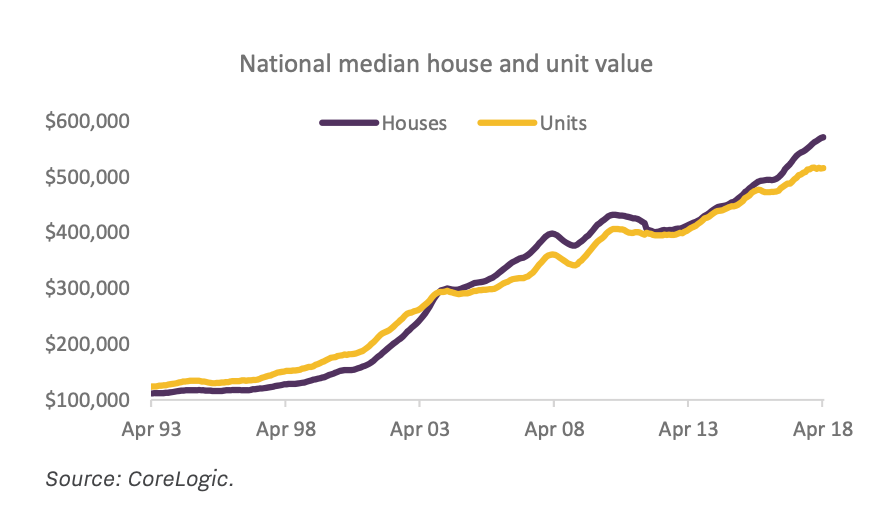
Now, consider a share portfolio. You’ve chosen diverse, promising stocks, expecting them to grow in the long term. Suddenly, your portfolio value decreases by 10%. The panic sets in, and selling those shares seems like the only viable option to stop further losses. But should you really hit that sell button?
Just like a house, a share portfolio is an investment, albeit of a different kind. We buy shares, not for the shelter they provide, but for the financial returns they promise. Just as with property, share values fluctuate. Yet, the knee-jerk reaction to a dip in share value is often panic and a rush to sell. This reaction, however, is where many investors lose ground.
The key to overcoming this panic is adopting the same long-term perspective that we apply to our homes. The stock market is, historically, an upward-trending entity. Over the last century, despite wars, recessions, and financial crises, it has consistently grown over the long term. In other words, the market weathers its own storms. This doesn’t mean there aren’t periods of downturn or even significant crashes. But overall, patience and resilience often yield rewards.
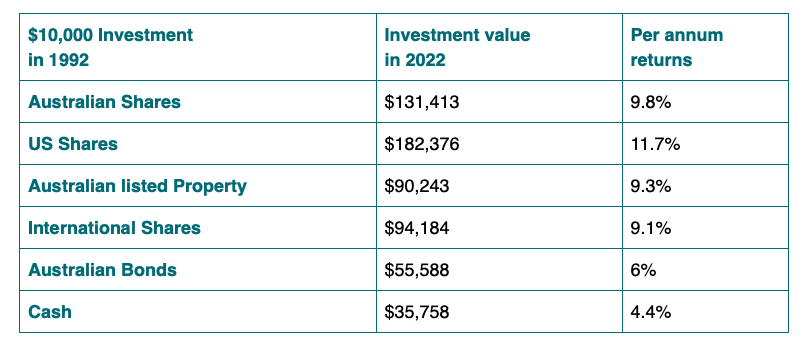
The behavior of selling shares during a dip is akin to abandoning your house at the first sign of a storm. It’s an instinctive, fear-driven response, but not necessarily a rational or beneficial one. In the same way you would weatherproof your house and hunker down until the storm passes, your portfolio may need slight adjustments or rebalancing, but maintaining your position could be the wisest course of action.
Of course, this assumes you have some kind of rational, well-thought through strategy when buyings shares for your portfolio. If you’ve bought stocks in, say, startups that earn no revenue and could possible go completely broke, that’s a different story. I’m assuming you’ve bought shares in good, solid companies with a long history of generating profits who are likely to weather a financial storm
While it’s true that shares and houses are different types of investments, they share a common feature: both are subject to market fluctuations and both require a degree of patience and resilience. We should take cues from our home-owning instincts when managing our portfolios. A long-term strategy, the ability to tolerate short-term fluctuations, and the courage to weather the storm are crucial in the world of investments.
In conclusion, the next time your portfolio takes a hit, consider this: if this were your house, would you sell it? If the answer is no, maybe it’s worth holding onto those shares a little longer. It’s important to note that each situation is unique, and you should always make investment decisions based on careful consideration and possibly with the assistance of a financial advisor. However, understanding that market volatility is part and parcel of the investment journey can help you make more grounded, strategic decisions. After all, the storm is just part of the weather cycle, and with patience, the sun often comes out again.