The Pitch You’ve Heard a Thousand Times
Bitcoin is digital gold. A hedge against inflation. The future of money. If you don’t own some, you’re missing out on the opportunity of a lifetime. The suits on CNBC say it. The crypto evangelists on TikTok say it. Hell, there are ETFs for it now, which apparently means it’s “real.”
Why It Sounds Good
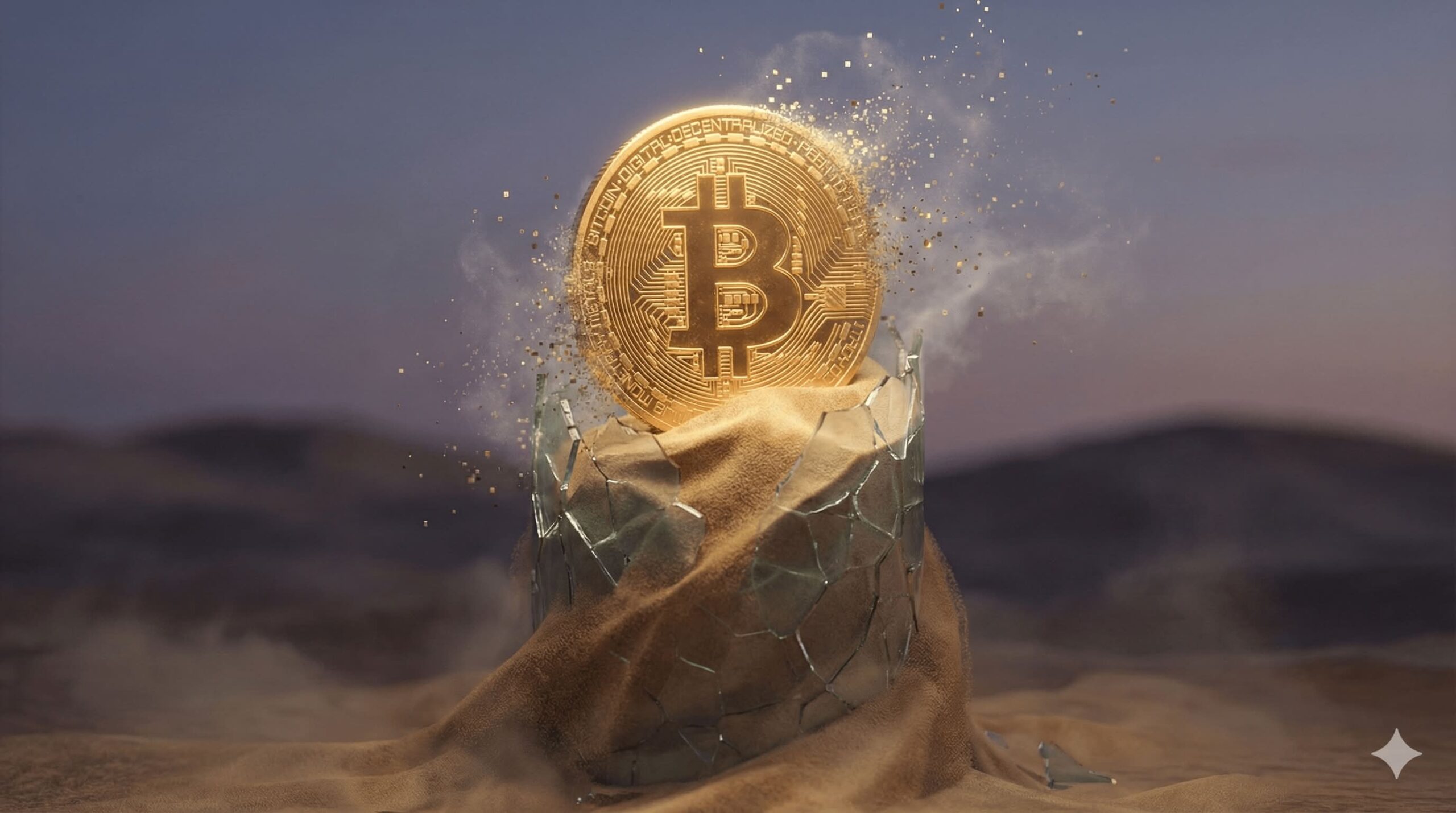
Look, I get the appeal. Central banks are printing money like it’s going out of style, inflation is eating away at savings, and traditional investments feel… boring. Then you see someone turn $10,000 into $40,000 in a few months, and suddenly your sensible index fund feels like a waste of time. The FOMO hits hard.
The Problem Nobody Wants to Talk About
Here’s the uncomfortable question: What is one Bitcoin actually worth?
Not “what’s it trading for today?” Not “what could it be worth if everyone adopts it?” But what is its intrinsic value right now?
With a stock, you can look at earnings, cash flow, assets. With a bond, you’ve got interest payments and a maturity date. With real estate, you can calculate rental income. These things produce something. They have frameworks for valuation.
Bitcoin produces nothing. It sits in a digital wallet. Its only value is what someone else will pay for it tomorrow.
As of today, one BTC is trading around AUD $131,893. Eight days ago? $145,064. A couple months back? $184,574. For something marketed as a “store of value,” that’s a pretty wild ride.
The Scarcity Sleight of Hand
The main defence you’ll hear is “limited supply.” There will only ever be 21 million Bitcoin, therefore it must be valuable.
But scarcity alone doesn’t create value. There’s a limited supply of signed photos of my high school band “The Rhythm Pigs” (for sale if you get in quick), but I’m not pitching them as an institutional asset class. Something can be both rare and worthless.
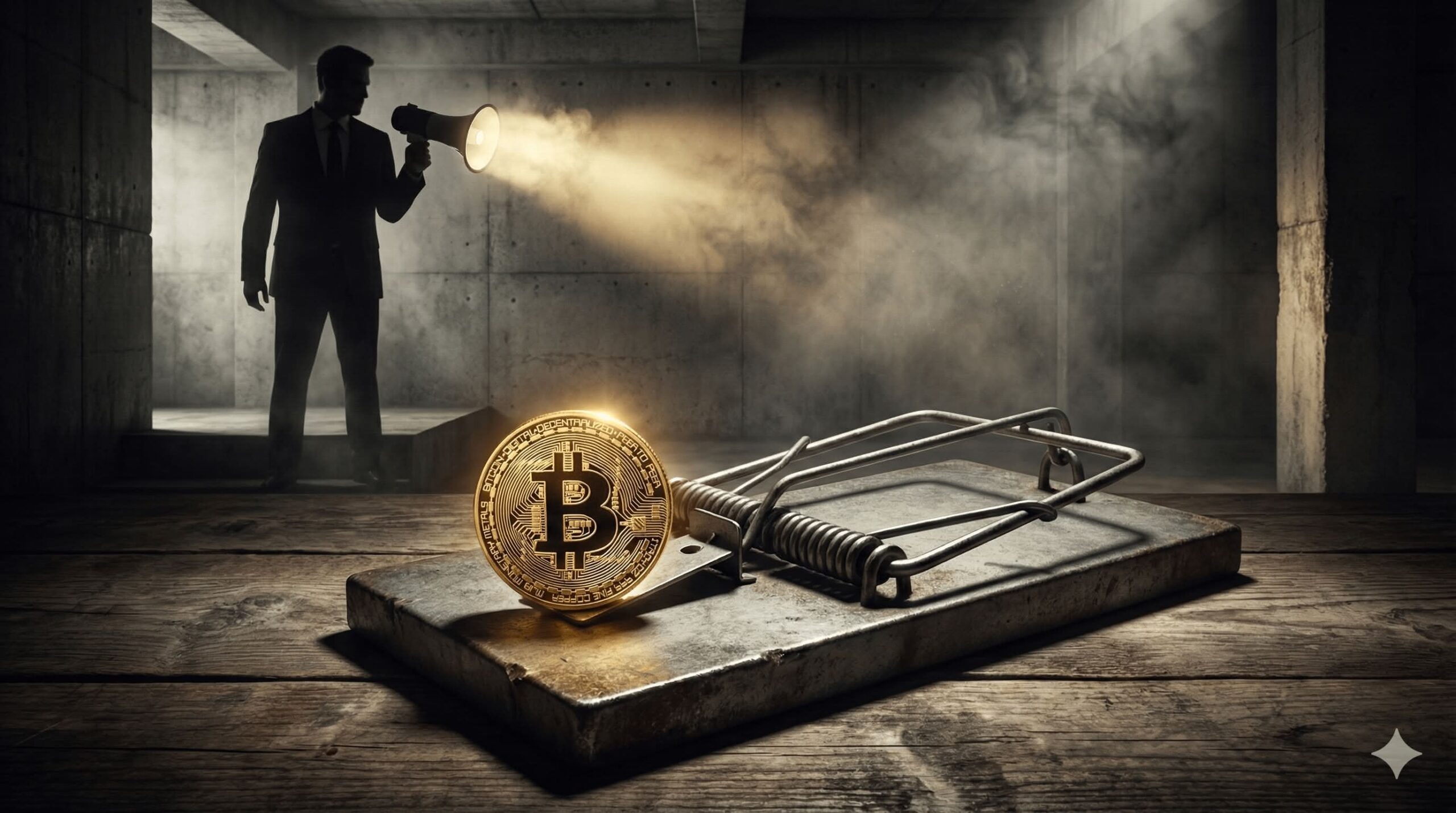
The only argument anyone really makes for Bitcoin is that it will be worth more later because… well, because it will be. That’s not an investment thesis. That’s hoping you’re not the last person holding the bag. It’s a variation of the “Greater Fool Theory” (popularised by Burton Malkiel, an economics professor at Princeton, in his 1973 book ‘A Random Walk Down Wall Street’). In simple terms: you can make money on an overpriced piece of garbage as long as there is a greater fool willing to pay even more for it than you did.
The Real Cost
The money you might lose on a 40% drawdown is one thing. But there’s a deeper cost: the psychological toll of owning something you can’t value.
When you don’t know what something is actually worth, you have no anchor. No reference point. You’re just watching a number go up and down, trying to guess when to get out, paralysed by the fear that you’ll sell right before it moons.
And here’s the thing that should bother you: if Bitcoin is really heading to $1 million or $10 million with mathematical certainty, why are institutions selling it at $145k? Why are the same people pumping it also dumping it? Maybe because they understand something the retail investors don’t.
A Different Approach
Charlie Munger called investing in Bitcoin “it’s like somebody else is trading turds and you decide ‘I can’t be left out’.” Warren Buffett said he wouldn’t buy all the Bitcoin in the world for $25. These weren’t emotional reactions — they were observations from people who’ve spent their lives figuring out what things are actually worth. They had discipline and logic behind their investing strategy.
Real investing isn’t about guessing. It’s about having a process — a way to determine if something is cheap, fairly priced, or expensive. If you can’t run that calculation, you’re not investing. You’re speculating.
There’s nothing wrong with speculation if you know that’s what you want to do with your life. But let’s not confuse it with serious investing.
QAV Myth Killers is a weekly column in the QAV newsletter, taking apart a piece of
investing conventional wisdom. Read the series, or
get it by email every Friday.
General advice only. Spacecraft Publishing Pty Ltd
trading as QAV is a Corporate Authorised Representative (CAR 001292718) of MF & Co.
Asset Management Pty Ltd (AFSL 520442). This is general information and does not take your
personal circumstances into account. See our
disclosure.
Leave a Reply