Chrissy and I celebrated our 18th anniversary last weekend at a two-day Wing Chun seminar. As you do.
It was run by Master Andrew Cheung, Chief Instructor of the Global Traditional Wing Chun Kung Fu Federation. His father is Grandmaster William Cheung, who trained under Ip Man in Hong Kong, and who in 1954 walked his friend, a 15-year-old Lee Jun Fan, aka Bruce Lee, into Ip Man’s school and talked the old man into taking him on. Ip initially said no. Lee had Caucasian blood on his mother’s side, and the convention of the day was that you didn’t teach foreigners. Cheung argued the case and won.
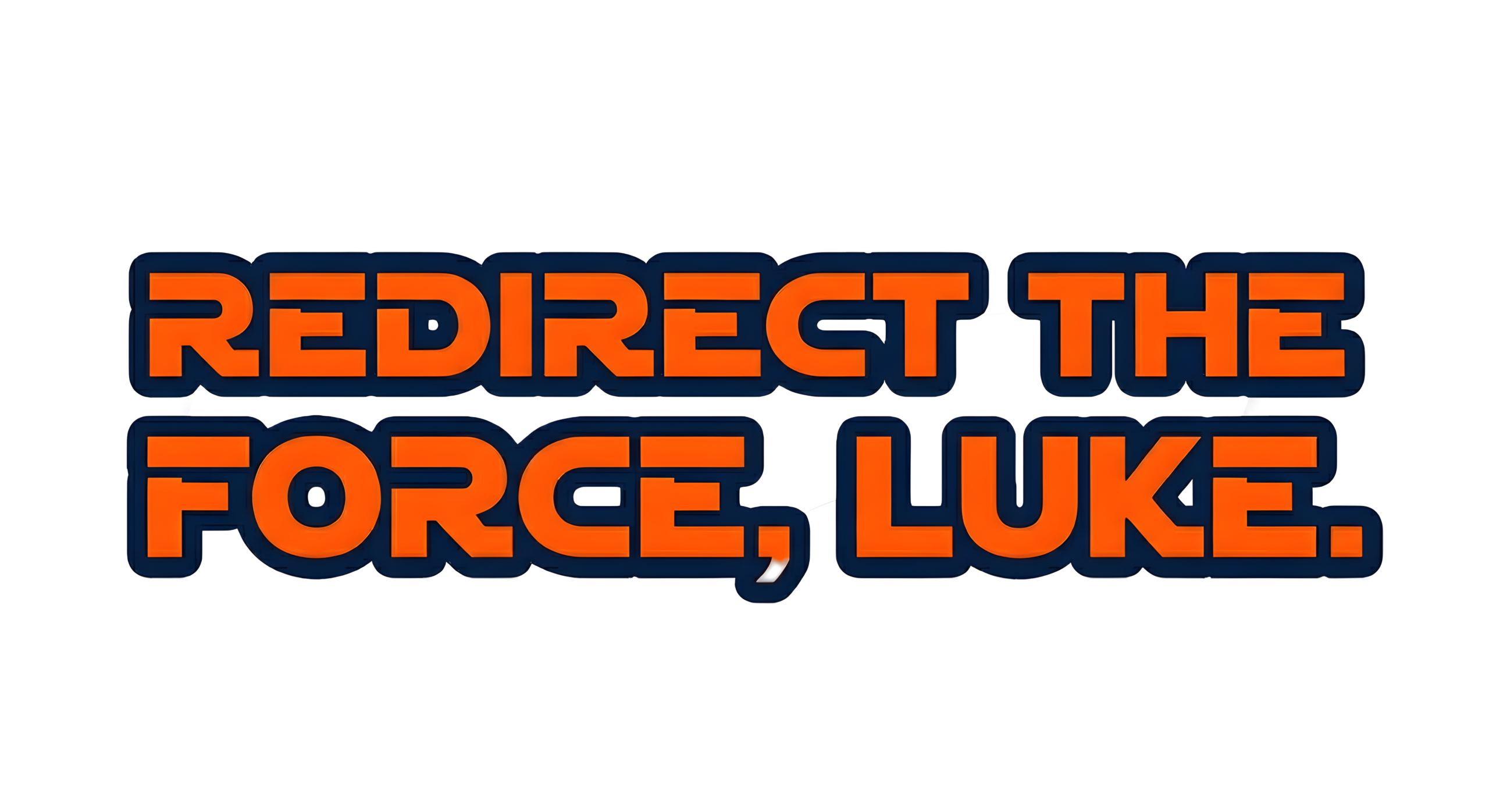
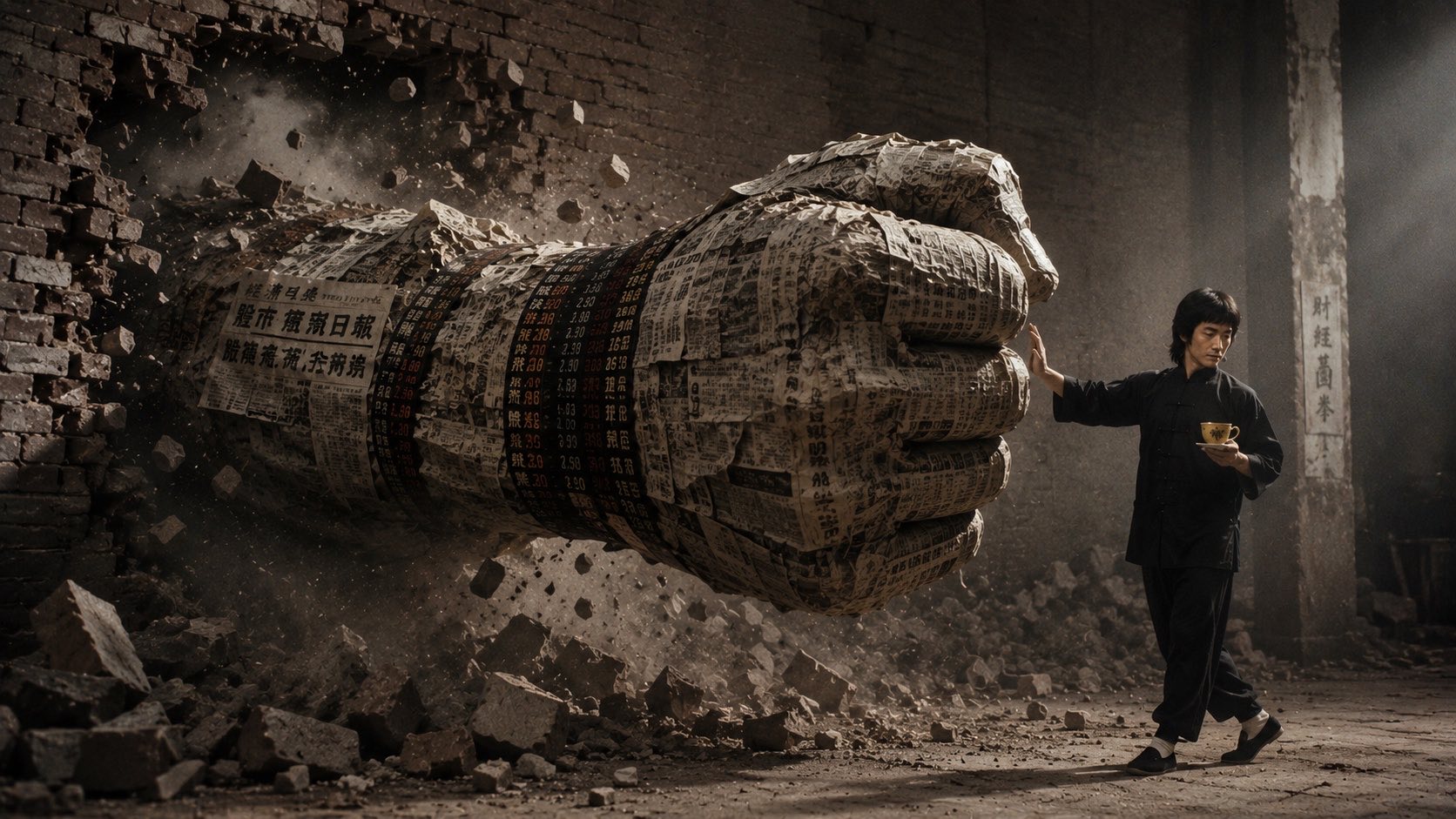
One of the core principles of Wing Chun is “don’t fight force with force”. Or, as I like to say:
According to tradition, the art was developed by two women, a Shaolin nun named Ng Mui and her student Yim Wing Chun. Whether that’s history or legend is an argument I’ll leave to other people (but I do get into it on my Kungfused podcast). The design brief is the same either way.
This is a system built for a smaller person facing a larger one. You don’t get to rely on strength, because you haven’t got any. You use structure, timing, and your opponent’s own momentum. When she pushes, you don’t push back. You turn, and let her fall into the space where you used to be.
Which brings us to the most famous thing that Bruce Lee ever said.
“Empty your mind. Be formless, shapeless, like water. Now if you put water into a cup, it becomes the cup. Put it into a teapot, it becomes the teapot. Now water can flow, or creep or drip or crash. Be water, my friend.”
Lee said that in September 1971, in an episode of the TV show Longstreet called “The Way of the Intercepting Fist”, which is what “Jeet Kune Do” (the name of the kung fu style he created) means in English.
So… what does this have to do with investing? I thought you’d never ask…
There’s this idea in investing — particularly in value investing — that you should stick to your guns.
You’ve got to have CONVICTION IN YOUR BELIEFS. BUY THE DIP. DOUBLE DOWN.
If you’ve done your research and decided that a stock is undervalued, you should buy it, regardless of what’s happening to it in the market.
We say (to use a recent WORDLE selection) — pshaw!
To fight the market is like fighting force with force. It’s one part ego, one part sunk cost fallacy. “I spent a lot of time and effort deciding this is a good investment, so damn you all to hell!”
If we have bought something and the force, i e the market, is pushing against us, we don’t push back. We flow with the force. We sell and then redirect that capital into another investment.
There are, of course, also practical reasons for not wanting to sell something you believe in. It’s time and effort. You have to pay brokerage. You might have capital gains tax implications. You have to spend time figuring out what to replace it with. I remember in the DARK AGES of 2022–2023 when we were in RULE 1 HELL. I get it. That sucked.
But we are realists. We do our research before we buy something — but we aren’t magic. We can’t see into the future. We can’t know everything about every stock, or sector, or industry. And there are people out there who know a LOT more than we do about this or that particular stock or sector. If they are driving the price down, whether it’s a single stock or an entire sector, hey, maybe they know something we don’t.
So we have rules that tell us when we should sell. Rule 1. 3PTL. Commodity sell. We might still be right and the market might be wrong. We might sell something and then check back a few months later and see it went through the roof. That happens. But we’ve done backtesting and found that as often as it happens, it happens more the other way — our rules get us out, and the stock keeps dropping.
Conviction is force. It’s a shape you commit to before you know what’s coming. Which is the exact thing Lee is telling you not to do, and the exact thing Ng Mui built a whole fighting system to avoid.
We don’t do conviction.
There’s no box on the QAV checklist for “how committed are you?”. It asks whether the company throws off cash, whether it’s cheap against its own numbers, whether the trend has broken. It never once asks what you think. In fact, it’s designed to AVOID your opinions. Opinions are bad for investors to have. Facts are far superior to opinions (I tend to think this is a pretty good rule for life outside of investing, too).
Rule 1 is “don’t fight force with force” bolted straight into the system. Down 20% and you’re out. You don’t get a vote. You don’t get to explain why the market’s got it wrong, why the thesis is intact, why this is actually a gift. You turn, and you let it fall into the space where you used to be.
The QAV AU Model Portfolio has returned about 16.1% a year since April 2019, against 7.7% for the SPDR ASX 200. Better than double the market, and you can go and check it on our website. Not one dollar of that came from a strongly held view. It came from rules that fire whether or not Tony and I agree with them, built by a bloke who’s been wrong plenty of times and designed a system that doesn’t care.
The market is always going to be bigger than you. Don’t fight it. Re-direct the force.
Be water, my friend.
QAV Myth Killers is a weekly column in the QAV newsletter, taking apart a piece of
investing conventional wisdom. Read the series, or
get it by email every Friday.
General advice only. Spacecraft Publishing Pty Ltd
trading as QAV is a Corporate Authorised Representative (CAR 001292718) of MF & Co.
Asset Management Pty Ltd (AFSL 520442). This is general information and does not take your
personal circumstances into account. See our
disclosure.